
Vasculomycosis
Vasculomyces
Vasculomycosis is a category of vascular plant diseases caused by pathogenic fungi, most notably Fusarium and Verticillium species. These fungi are specialized in colonizing the plant's xylem tissue.
What the section contains
Vasculomycosis
The infection initiates when fungal spores penetrate the root system. Once inside, the mycelium travels through the vascular bundles, spreading systematically throughout the entire plant structure.
Pathogens produce specific enzymes that degrade cell walls, allowing the fungus to move deeper into the plant. They simultaneously secrete mycotoxins that interfere with cellular metabolism.
This process is defined as tracheomycosis. The accumulation of mycelium and fungal degradation products causes a physical blockage, severely restricting the transport of water and nutrients.
These fungi are highly resilient and can persist in the soil for years as chlamydospores or microsclerotia. This creates a lasting threat for any susceptible crop planted in infested soil.
The earliest symptom of vasculomycosis is typically a loss of turgor in the leaves. Initially, the plants appear wilted during the hottest part of the day, showing a potential for recovery at night.
As the disease progresses, the wilting becomes irreversible. Chlorosis, or yellowing, begins on the lower leaves and slowly spreads upward, often resulting in dry, brittle leaf tissue.
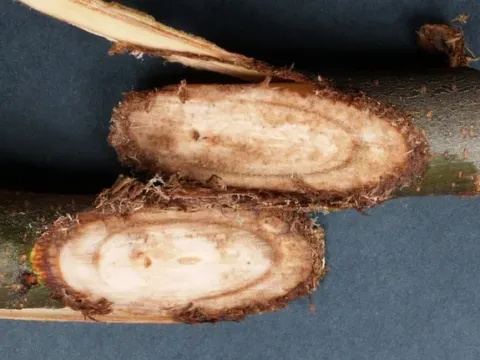
A diagnostic sign is visible upon cutting the stem. A cross-section of the stem will reveal distinct dark, brown, or black discoloration within the vascular ring.
Roots often appear stunted and show signs of necrosis. In advanced stages, the root system turns dark brown and loses its ability to effectively anchor the plant and absorb moisture.
- Wilting of the upper leaves during the daytime.
- Interveinal chlorosis leading to tissue necrosis.
- Brownish vascular bundles visible in stem cross-sections.
The development of vasculomycosis is heavily influenced by soil moisture levels. Excessive irrigation or waterlogged conditions are highly conducive to the rapid spread of the pathogen.
Optimal temperatures for most of these fungal pathogens range between +22 and +28 degrees Celsius. Stable warmth in the soil environment promotes fungal activity and colonization.
Poor agricultural practices, such as excessive nitrogen fertilization, result in succulent growth that is more susceptible to fungal entry. Such plants lack the necessary physical strength to resist infection.
Mechanical injuries are a major factor in disease transmission. Wounds created by tillage tools or improper weeding provide direct access points for fungal spores to enter the root system.
High levels of plant debris in the soil maintain a high inoculum density. This ensures that the pathogen remains active and ready to strike the next susceptible crop in the rotation.
Vasculomycosis is extremely destructive to major economic crops, including tomatoes, potatoes, and various cucurbits. It can lead to complete failure of the crop in heavily infested fields.
The infection causes systemic growth stunting, often resulting in deformed fruit that lacks market value. In many cases, the plants die before reaching the productive stage.
Yield loss is not limited to quantity; quality is also significantly impaired. Harvested produce from infected fields often rots quickly, making storage and distribution impossible.
The persistent nature of the soil-borne pathogen forces farmers to abandon certain fields or invest heavily in soil sterilization. This causes significant long-term economic damage.
In addition to direct losses, secondary infections are common. Weakened plants are easily invaded by opportunistic bacteria and pests, further accelerating the decline of the crop.
Strategic crop rotation is the most effective preventative measure. By avoiding susceptible crops for at least four years, growers can significantly reduce the pathogen population in the soil.
Planting resistant cultivars is the primary defense against vasculomycosis. Genetic resistance reduces the likelihood of infection even when the pathogen is present in the environment.
Sanitation is critical. All infected plant materials must be removed from the field and destroyed after harvest to prevent the build-up of fungal spores in the soil profile.
Biological control agents, such as Trichoderma species, are increasingly used to suppress fungal pathogens. These beneficial microbes compete for space and nutrients, limiting the pathogen's growth.
Chemical intervention involves applying systemic fungicides to the root zone at the earliest sign of disease. Integrated management ensures that the use of chemicals is kept to a minimum.