
Vaucheria dichotoma
Vaucheria dichotoma
Description
Symptoms
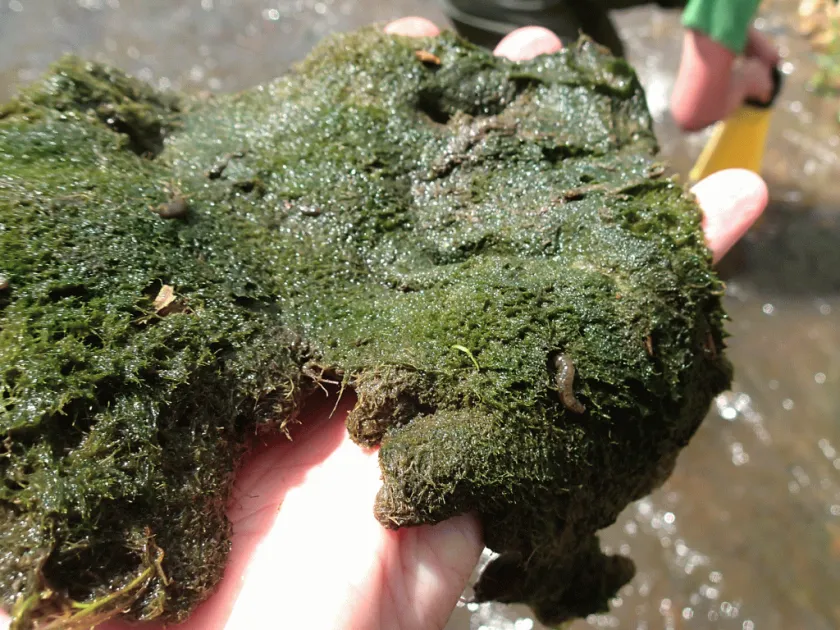
The primary symptom of Vaucheria dichotoma infestation is the emergence of a dark green, slimy, or velvet-like mat on the surface of the soil or growing media.
As the colony matures, it forms a dense, leathery crust that effectively seals the substrate, preventing necessary gas exchange.
In irrigation systems, the algae appear as stringy masses that clog emitters, drip lines, and filtration screens.
Infested plants often exhibit symptoms of nutrient deficiency and general stress, including wilting and chlorosis, even when irrigation is sufficient.
The crust formation can become brittle when dry, creating a physical barrier that prevents water penetration to the root zone.
Pathogen
Vaucheria dichotoma is a filamentous yellow-green alga that frequently acts as a significant pest in greenhouse environments and commercial plant nurseries.
Classified within the Xanthophyceae class, this organism is characterized by a siphonaceous structure, functioning as a single giant coenocytic cell.
Its ability to reproduce via both sexual and asexual means allows it to colonize greenhouse substrates rapidly when conditions are favorable.
Although not a fungus, its negative impact on plant health is profound, leading to severe competition for nutrients and space.
The biological nature of this organism makes it highly adaptable to synthetic growing media, especially those used in intensive hydroponic systems.
Conditions for development
High moisture levels on the substrate surface serve as the primary catalyst for the development of Vaucheria dichotoma colonies.
Abundant light exposure, especially under high-intensity greenhouse lamps or direct sunlight, promotes rapid photosynthetic activity.
High concentrations of nitrogen and phosphorus in fertilizer solutions provide an ideal nutrient-rich environment for the alga to thrive.
Temperatures ranging between 20°C and 25°C facilitate optimum vegetative growth and spread throughout the facility.
Stagnant air and poor ventilation contribute to the creation of damp microclimates that favor the persistent colonization of the substrate.
Why it matters
The most severe danger is root asphyxiation, as the dense algae crust creates an anaerobic environment that starves roots of oxygen.
Competition for fertilizers is a major issue, as the algae absorb essential nutrients, directly reducing the availability for the crop plants.
Physical blockages in irrigation infrastructure lead to uneven watering, resulting in some zones being waterlogged while others remain dry.
The decay of accumulated algal biomass provides a medium for the growth of opportunistic bacterial and fungal plant pathogens.
Overall plant vitality is significantly reduced, leading to stunted growth, lower crop yields, and decreased marketable quality of produce.
Protection
Management starts with optimizing irrigation cycles to ensure the surface of the growing medium dries out periodically to inhibit algal growth.
Light limitation is a highly effective preventative measure, utilizing black plastic mulch or perlite to shade the substrate surface.
Strict sanitation protocols must be maintained, including the periodic disinfection of drip lines, irrigation tanks, and planting containers.
Mechanical disruption of the surface through light cultivation can prevent the formation of a dense, impenetrable crust.
- Monitor nutrient solution concentrations to avoid excess nitrogen levels.
- Ensure adequate greenhouse ventilation to reduce surface humidity.
- Use professional-grade algicides only when necessary and in accordance with local regulations.
Discussion
No discussions yet — be the first.