
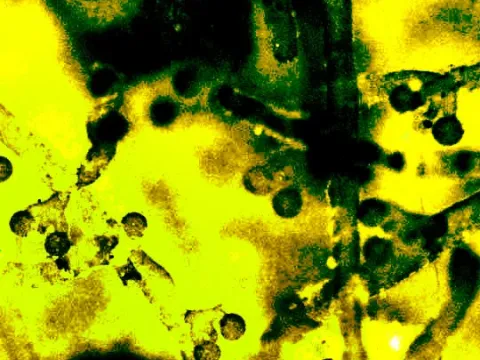
Vaucheria geminata
Vaucheria geminata
Vaucheria geminata is a species of yellow-green algae that acts as a significant nuisance in greenhouse environments and plant nurseries. Biologically, it consists of coenocytic filaments—long tubes without cross-walls—which allow for rapid colonisation of surface areas.
What the section contains
Vaucheria geminata
Although photosynthetic, the organism behaves like a soil pathogen when environmental conditions become favorable, exploiting stagnant moisture and high nutrient availability in potting substrates.
Propagation occurs through vegetative fragmentation of the thallus or through the production of oospores, which are highly resilient and capable of surviving in the soil long after the initial infestation.
This xanthophyte alga thrives in environments where soil surfaces remain continuously moist, creating a dense, biological mat that can impact the surrounding plant life.
The biology of Vaucheria geminata allows it to thrive in substrates rich in organic matter and minerals, making it a persistent competitor against ornamental and vegetable seedlings.
The first indicator of infestation is the appearance of a tough, leathery film on the surface of the soil or growing media, typically dark green or olive in color.
As the colony matures, the film often takes on a velvety or fuzzy texture and may emit a stale or musty odor, indicating active decomposition of organic particles.
When the algae affect young seedlings, the filaments may physically wrap around the root neck, restricting the plant's ability to breathe and absorb nutrients effectively.
In greenhouses, massive patches of green algae on pots and trays degrade the aesthetic value and commercial quality of the nursery plants.
If left unmanaged, the algae crust hardens, creating a barrier that leads to waterlogging and provides an ideal habitat for root-attacking pathogens.
Persistent soil moisture is the primary driver for the development of Vaucheria geminata; if the soil surface never dries out, the algae will continue to proliferate.
Low-light conditions combined with poor air circulation in greenhouse sectors create the perfect microclimate for the rapid expansion of algal colonies.
High levels of readily available nitrogen and phosphorus in standard growing media serve as an energy boost, accelerating the vegetative spread of the filaments.
Temperatures ranging from 18 to 25 degrees Celsius are optimal for the metabolic processes of this species, allowing it to colonize surfaces very quickly.
Inadequate water management and the lack of proper drainage in pots allow the algae to establish a foothold and dominate the top layer of the substrate.
The primary damage occurs due to the formation of an impermeable crust, which prevents gaseous exchange and suffocates the plant's root system.
The algae actively compete with the host plants for nutrients, depleting the top layer of the substrate and leading to stunted growth in seedlings.
The presence of Vaucheria geminata creates a humid micro-niche that attracts fungus gnats (Sciaridae), whose larvae can cause further destruction to the crop's roots.
The algal mat disrupts irrigation efficacy, as water tends to run off the surface rather than penetrating the substrate to reach the root zone.
Severe infestations can lead to high seedling mortality rates, resulting from a combination of physiological stress and secondary infections by root rot fungi.
The most effective strategy involves strict water management: ensuring the substrate surface dries out completely between irrigation events is usually fatal to the algae.
Improving air circulation and increasing light intensity within the greenhouse can significantly inhibit the algae’s ability to grow.
Top-dressing the soil with a thin layer of fine sand, perlite, or grit creates a dry, light-limiting barrier that prevents the algae from photosynthesizing.
Regularly cultivating or raking the surface of the growing media breaks the algal filaments and promotes soil aeration, making the environment less hospitable.
In extreme cases, the removal of the top layer of contaminated soil is necessary, combined with the application of approved algaecides if cultural practices prove insufficient.