
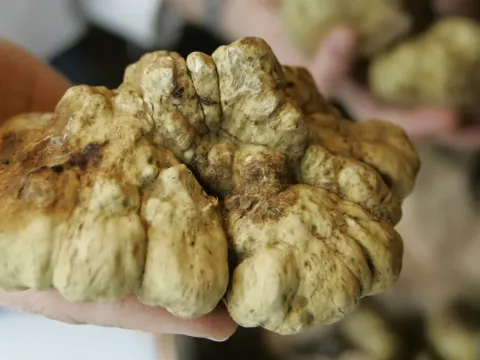
White truffle
Tuber magnatum
The White truffle, botanically identified as Tuber magnatum, is not a plant disease but an ectomycorrhizal fungus. It exists in a symbiotic relationship with various forest tree species, providing significant ecological benefits.
What the section contains
White truffle
The fungus develops underground, forming irregular, tuber-shaped fruit bodies with a smooth or slightly velvety surface. These structures are highly prized for their unique aroma and culinary value.
The mycelium of Tuber magnatum associates with the root systems of trees such as oaks, poplars, willows, and lindens. This interaction enhances the tree's ability to absorb water and nutrients from the soil.
Unlike pathogenic fungi that cause disease, this species creates a mutually beneficial link. The tree provides carbon and carbohydrates, while the fungus assists in mineral uptake and soil structure stabilization.
The life cycle of the white truffle is complex and relies on specific environmental cues to progress. Growth is exceptionally slow, often taking several years to establish a functional mycelial network.
Successful colonization by Tuber magnatum requires specific soil and climatic conditions. It thrives in well-drained, calcareous soils with a neutral or slightly alkaline pH.
The fungus is highly sensitive to moisture levels and requires consistent humidity throughout the year. Drought or waterlogging can lead to the collapse of the mycelial colony.
Temperature stability is essential for the development of fruit bodies. The white truffle is adapted to temperate climates where it can avoid extreme temperature fluctuations in the subterranean environment.
An intact forest ecosystem with mature host trees is necessary for its survival. The density and health of the tree roots directly influence the distribution and size of the fungal fruit bodies.
Human activities such as land clearing, drainage modification, and intensive use of agrochemicals are detrimental to its growth. Maintaining the natural soil micro-flora is key to preserving this species.
The white truffle does not cause harm to plants; it is a beneficial symbiont. However, it can be harmed by human practices that disrupt its delicate ecological niche.
Over-harvesting techniques that involve deep digging or heavy soil disruption damage the host tree roots. This stress can make the trees more susceptible to actual plant pathogens and environmental threats.
Agricultural run-off containing herbicides or fungicides can easily eradicate white truffle colonies. The fungal mycelium is extremely sensitive to synthetic compounds commonly used in modern farming.
Economic damage occurs when critical habitats are lost due to deforestation or poor land management. Once a colony is destroyed, restoring its growth is nearly impossible due to its complex symbiotic requirements.
Conservation of white truffle habitats is therefore a priority for maintaining biodiversity. Protecting these zones ensures the continued health of both the forest ecosystem and the fungal population.