
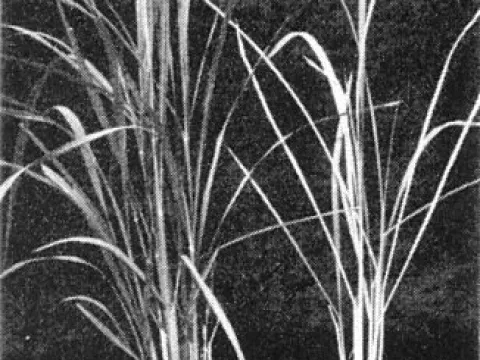
Rice transitory yellowing
Rice transitory
Rice transitory yellowing is a viral disease caused by the Rice transitory yellowing virus (RTYV). This pathogen is classified within the Rhabdoviridae family and primarily impacts the vascular system of the rice plant.
What the section contains
Rice transitory yellowing
The virus is transmitted by specific insect vectors, most notably the leafhoppers Nephotettix apicalis and Nephotettix cincticeps. Transmission occurs when these insects feed on the phloem tissues of infected rice plants.
The host range is relatively narrow, focusing on cultivated rice (Oryza sativa). However, certain wild grasses and weedy relatives of rice may serve as alternative hosts, acting as reservoirs for the virus during the off-season.
Once introduced into the plant, the virus spreads systemically via the phloem. It colonizes various tissues, eventually impacting both vegetative growth and the development of reproductive structures.
The incubation period within the plant varies based on temperature and host development stage. The virus thrives in warmer climates, where leafhopper activity is typically higher, leading to rapid disease development.
The initial symptom of the disease is the yellowing of older leaves, which often progresses to a bright orange-yellow discoloration. This coloration pattern is a hallmark of the viral infection.
Infected plants exhibit severe stunting and reduced tiller formation. The overall architecture of the plant is compromised, leading to a stunted appearance compared to healthy crops in the same field.
Field observations typically reveal clusters of yellowing plants. In some instances, leaf tips may show signs of curling and subsequent necrosis as the infection progresses throughout the canopy.
Reproductive development is significantly impaired. Affected plants produce smaller, poorly developed panicles, with many grains failing to fill properly or resulting in empty husks.
The "transitory" nature of the symptoms refers to the periodic fading of yellowing under specific environmental conditions, which can mask the presence of the disease temporarily before it reappears.
The prevalence of the disease is closely linked to the population dynamics of the leafhopper vectors. High humidity and warm temperatures facilitate the rapid breeding and spread of these insect carriers.
Proximity to overwintering sites, such as weeds or uncultivated lands, increases the risk of infection. Effective weed management around rice paddies is crucial to reducing the primary inoculum source.
Late sowing dates often expose younger, more vulnerable plants to peak periods of leafhopper migration. Adjusting the planting calendar is a key strategy to mitigate the impact of the viral infection.
Excessive application of nitrogen-based fertilizers can increase the susceptibility of the crop. Lush, nutrient-rich growth attracts more insects, thereby increasing the frequency of virus transmission events.
Continuous rice cropping on the same land facilitates the buildup of both the virus and its vectors. Maintaining proper crop rotation cycles is essential to prevent the accumulation of the pathogen in the environment.
The primary economic impact of rice transitory yellowing is a substantial reduction in yield. Severe infections can lead to harvest losses of up to 50 percent or more in susceptible varieties.
The virus disrupts vital physiological processes, including photosynthesis and nutrient transport. This weakens the plant's overall health and physiological resilience against environmental stress.
Grain quality is often severely compromised, as the virus interferes with carbohydrate accumulation in the seeds. This leads to inferior grain weight and lower market value for the rice produced.
Weakened plants are more susceptible to secondary infections and opportunistic fungal pathogens, further exacerbating the decline in plant health and increasing management costs for farmers.
The presence of empty or unfilled grain clusters significantly lowers the threshing yield, resulting in lower profitability per hectare even if the plant population density remains relatively high.
Effective management focuses on controlling the leafhopper vector population. Timely application of systemic insecticides during the early vegetative stages can significantly interrupt the virus transmission cycle.
Cultural practices, such as removing weeds and maintaining field sanitation, are vital. Eliminating alternate hosts reduces the ability of the virus to persist in the field during the off-season.
Synchronized planting schedules within a region can help minimize the exposure of the crop to high vector pressure. By planting during windows where insect activity is low, farmers can avoid peak infection risk.
The development and adoption of resistant rice varieties remain the most sustainable strategy for long-term control. Breeding programs focusing on resistance to RTYV provide a critical defense mechanism.
Integrated Pest Management (IPM) programs that combine chemical, cultural, and biological control strategies are necessary to effectively suppress the disease and ensure sustainable rice production.