
Rigidoporus ulmarius
Rigidoporus ulmarius
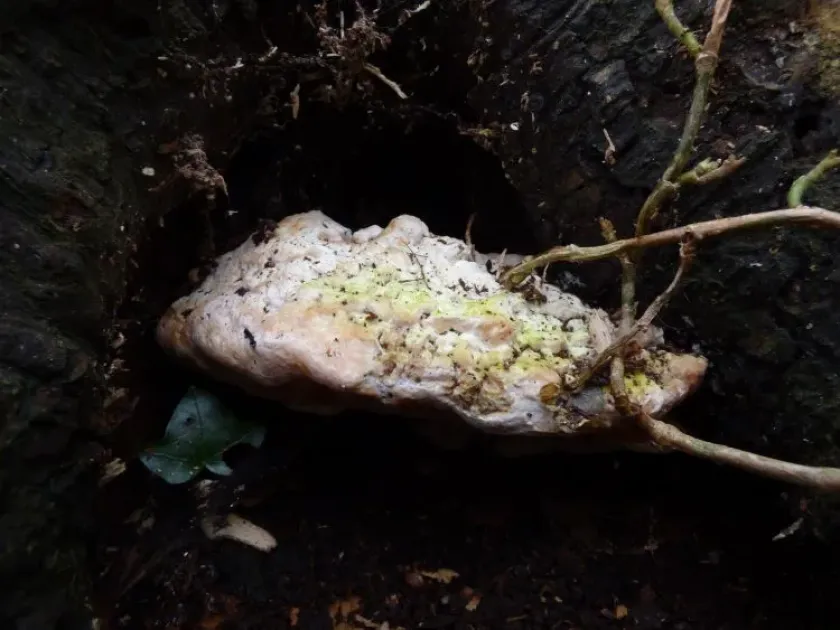
Description
Symptoms
The most diagnostic sign is the appearance of conspicuous, bracket-like fruiting bodies. These are often creamy-white to light brown and are typically located on the trunk or near the root flare.
Wood decay is characterized by a white, fibrous rot. When inspected, the internal wood tissue appears bleached and loses its original density, becoming crumbly and soft to the touch.
Crown symptoms reflect the internal damage; infected trees often exhibit thinning foliage, yellowing leaves, and premature leaf drop. These signs are often progressive as the vascular system is compromised.
The bark of the tree may show signs of stress, such as vertical cracking or localized necrotic spots near the site of the fungal colonization. In some cases, white mycelial fans can be seen under the bark layers.
Stability issues are a critical warning sign. Trees infested with Rigidoporus ulmarius are prone to trunk failure, as the structural heartwood is significantly degraded over time.
Pathogen
The fungus Rigidoporus ulmarius is a wood-decaying pathogen belonging to the Basidiomycota phylum. It primarily functions as a parasite on mature trees, specializing in the decomposition of structural components within the wood.
The pathogen initiates infection by entering through wounds, pruning cuts, or damaged root systems. Once inside, it develops an extensive network of mycelium that colonizes the heartwood of the host tree.
The fungus produces large, perennial fruiting bodies, which are typically found at the base or on the trunks of infected trees. These structures are hard, woody, and play a crucial role in the reproductive cycle of the pathogen.
Spore dispersal occurs via wind currents, allowing the fungus to spread across landscapes and infect susceptible hosts. It thrives in various environments, often remaining viable in deadwood or soil debris for extended periods.
As a white rot fungus, it targets lignin, causing the wood to lose its structural integrity. This complex biological process leads to the progressive weakening of the tree's internal anatomy.
Conditions for development
Optimal conditions for Rigidoporus ulmarius include areas with high humidity and limited airflow. Old, mature trees with existing decay or stress are the primary targets for this fungus.
Pruning practices that leave large, untreated wounds significantly increase the risk of infection. The fungus readily colonizes these open areas if not protected by specialized sealants.
Environmental stress, such as soil compaction or restricted root zones in urban environments, weakens the tree's defensive mechanisms, making it more susceptible to colonization by the fungus.
Temperature plays a role in the growth rate of the mycelium; warmer periods with consistent moisture levels accelerate the decay process within the wood tissue.
The presence of root-to-root contact between an infected tree and a healthy neighbor can facilitate the spread of the fungus underground, leading to localized pockets of disease.
Why it matters
The primary danger posed by this fungus is the loss of structural stability. An infected tree can become an immediate safety hazard, risking property damage or human injury due to potential collapse.
The fungus causes long-term degradation of tree vitality, leading to an unsightly appearance and the gradual decline of mature trees that are often vital to the landscape.
Economic losses are significant due to the costs associated with the professional removal of hazardous trees and the loss of environmental services provided by mature canopy trees.
The pathogen threatens the longevity of urban forests and historical parkland. Once established, it can serve as a persistent source of inoculum for other nearby susceptible species.
Ecological impacts include the loss of biodiversity and the disruption of local habitats as large trees succumb to the decay and require removal for public safety reasons.
Protection
Early identification is essential. Regular inspections of trees, particularly older specimens, should include checking the base of the trunk for fruiting bodies and inspecting for structural cracks.
Proper arboricultural care is the best defense. This includes avoiding unnecessary pruning and ensuring that all necessary cuts are clean and protected to prevent spore entry.
If an infection is confirmed, removal of the affected tree is often the only safe management option. This should include the removal of root material to prevent spreading the fungus to neighboring trees.
Sanitizing tools between each tree during maintenance is crucial to prevent mechanical transmission of the pathogen throughout the orchard or park.
Maintaining high tree health through adequate irrigation, soil aeration, and balanced fertilization increases the tree's natural resilience, potentially delaying or preventing fungal colonization.
Discussion
No discussions yet — be the first.