
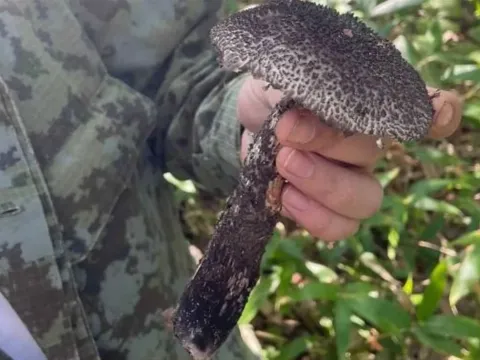
Strobilomyces
Strobilomyces
Strobilomyces is a genus of fungi within the Boletaceae family. It is vital to clarify that this organism is not a plant disease, and it does not act as a pathogen for any agricultural or horticultural crops.
What the section contains
Strobilomyces
These fungi are saprotrophic or mycorrhizal, meaning they live in a symbiotic relationship with forest trees rather than infecting them to cause decay or necrosis.
The morphology of the genus is distinct, characterized by a shaggy, scaly cap surface that distinguishes it from other common forest mushrooms.
The fungi contribute to the decomposition of organic matter in forest soils, which indirectly supports overall plant health by enhancing soil fertility.
Since there are no documented cases of plant damage or yield loss, no chemical or physical control methods are required or recommended for this organism.
Strobilomyces species thrive in shaded, cool, and moist forest environments, typically found in temperate regions where organic decomposition is active.
The fungus requires high humidity levels and a stable supply of leaf litter, which serves as the primary substrate for its vegetative mycelial network.
Mycorrhizal associations with host trees are essential for its life cycle, as the fungus relies on sugars provided by the plant root system.
Soil structure and pH play a significant role in the distribution of the genus, with a preference for well-drained, slightly acidic forest soils.
Environmental stability, including the absence of heavy metal contamination and drastic deforestation, is crucial for the continued presence of these fungi in the ecosystem.