
Stropharia
Stropharia
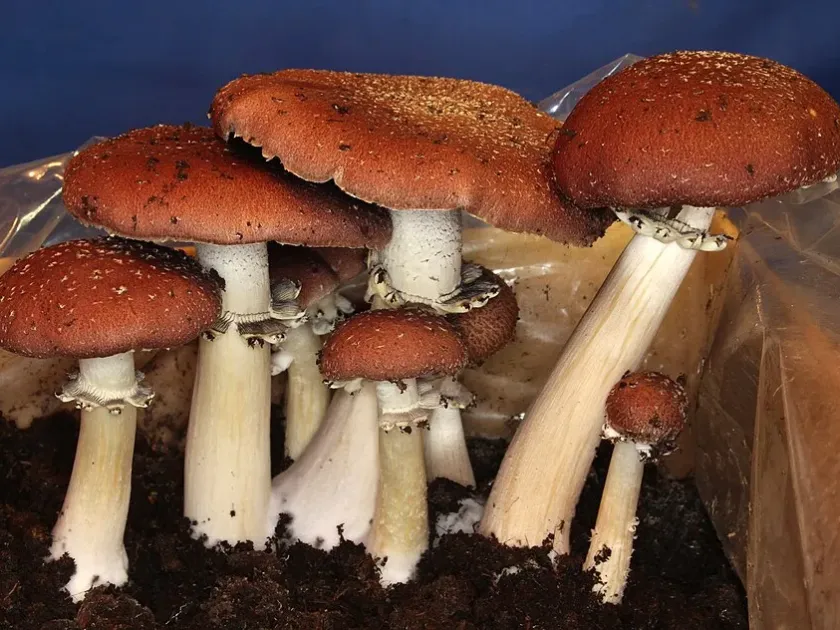
Description
Symptoms
The initial signs of infestation include the appearance of a thin, white or grayish web-like mycelium on the soil surface or the lower stems of the crop.
In areas where the mycelium makes contact with the host, plant tissues often exhibit discoloration and premature softening, signaling the onset of fungal decay.
Under high humidity and moderate temperatures, small mushroom fruiting bodies may develop from the mycelium, providing a visible indicator of the pathogen's presence.
Affected plants often show systemic symptoms such as wilting, chlorosis, and stunted growth as the pathogen interferes with vascular transport within the stem.
In advanced stages of the disease, complete necrosis of the root collar and base of the stem occurs, leading to the rapid collapse and death of the plant.
Pathogen
Stropharia (genus Stropharia) comprises fungi that, while primarily saprotrophic, can act as opportunistic pathogens in agricultural environments. They thrive on decaying plant matter but may compromise weakened or sensitive plants under certain conditions.
The pathogen is characterized by an extensive mycelial network that rapidly colonizes organic-rich substrates, including mulch, straw, and soil containing high levels of lignin.
During its growth cycle, the fungus secretes specialized enzymes designed to break down cellulose and lignin. This process often damages plant tissue, particularly in seedlings and stressed mature plants.
Dissemination occurs primarily through spores, which are easily transported by air currents, irrigation water, or contaminated farm equipment moving between fields.
The biology of the pathogen is highly dependent on humidity levels, which determine the intensity of spore germination and the subsequent colonization of the host plant.
Conditions for development
Stropharia development is highly favored by temperatures ranging from +15°C to +25°C, coupled with consistently high humidity levels in the soil or air.
Poor ventilation, typical in crowded greenhouse setups or dense field plantings, prevents soil moisture from evaporating and promotes fungal outbreaks.
Excessive irrigation and inadequate drainage create the specific environment necessary for the rapid expansion of the fungal colony across the planting bed.
The presence of uncomposted organic matter and crop residues provides a continuous food source, allowing the pathogen to persist and accumulate in the soil over time.
Lack of proper crop rotation cycles forces the pathogen to continuously attack the same host species, eventually reaching high inoculum density levels.
Why it matters
The primary economic damage arises from the loss of crop yield caused by the destruction of the plant's root systems and vascular tissue, which are vital for nutrient uptake.
Mass infestations often result in total crop failure for young seedlings, necessitating expensive and time-consuming replanting efforts for the grower.
Metabolic waste products produced by the fungus can be toxic to young plants, further inhibiting development and reducing the overall quality of the agricultural product.
Damaged tissues serve as easy entry points for secondary bacterial pathogens, which often complicate the initial fungal infection and make treatment harder.
The presence of Stropharia complicates sustainable farming practices by altering the microbial balance of the soil and depleting organic reserves.
Protection
The foundation of effective management is strict sanitation, which involves the removal and destruction of crop residues that provide a substrate for the fungus.
Adjusting soil pH through liming can create an environment that is less conducive to the growth and reproduction of Stropharia species.
Frequent, shallow cultivation of the soil surface improves aeration, which naturally lowers local moisture levels and inhibits mycelial growth.
Chemical control involving systemic fungicides may be used when necessary, provided they are applied according to the specific labels and pre-harvest intervals.
- Implementing diverse crop rotation strategies.
- Optimizing irrigation systems to avoid waterlogging the soil.
- Using balanced fertilization to improve plant innate immunity.
- Applying biological antagonists like Trichoderma species to suppress the pathogen.
Discussion
No discussions yet — be the first.