
Stromatinia
Stromatinia
Description
Symptoms
The earliest signs of Stromatinia include the stunted growth of young shoots and premature yellowing of leaf tips. Affected plants often fail to reach their full height and vigor.
Below the surface, the bulb or corm shows brown, sunken lesions on the basal plate. As the disease progresses, these lesions expand, leading to the decay of the entire internal tissue.
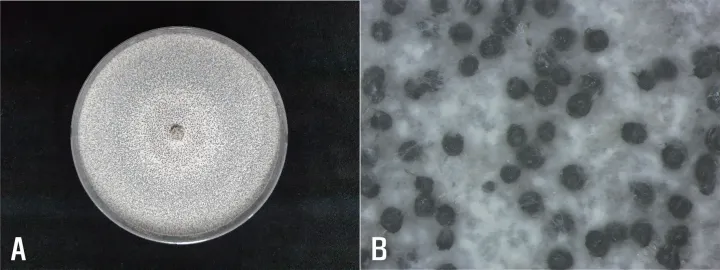
Small, black, grain-like sclerotia develop on the surface of the infected bulb or within its scales. This feature is a definitive diagnostic indicator of the presence of the pathogen.
Roots become brittle, necrotic, and turn brown or black. In advanced stages of the disease, the entire plant structure collapses, and the bulb disintegrates into a mass of decayed matter.
- Stunted foliage with yellowing tips.
- Dark lesions on the bulb and basal plate.
- Presence of black, poppy-seed-sized sclerotia.
- Collapse of root system and internal bulb decay.
Pathogen
The disease is caused by a fungal pathogen belonging to the genus Stromatinia. In agricultural contexts, Stromatinia gladioli is the primary species responsible for severe economic damage to bulbous plants.
The pathogen is characterized by the production of sclerotia — hardened, dark fungal resting bodies. These structures allow the fungus to survive in the soil for several years, even in the absence of a host plant.
The fungal mycelium invades the root system and basal plate of the plant, slowly consuming the internal tissues. It functions as a specialized necrotrophic parasite that thrives in moist, confined environments.
Reproduction occurs primarily through the spread of these sclerotia, which can remain dormant in the soil until environmental conditions become optimal for germination and infection.
The fungus is highly resilient and can persist in various soil types, making it a persistent threat that is difficult to eradicate once it has established a foothold in a growing area.
Conditions for development
Stromatinia thrives in cool, moist soil conditions. High humidity and poor drainage are the primary environmental drivers that trigger the germination of sclerotia and subsequent infection.
The pathogen is most active when soil temperatures are between 15°C and 20°C. Frequent rainfall or excessive irrigation during the planting season creates a favorable climate for the fungus.
Acidic soil environments tend to exacerbate the severity of the infection. Poorly aerated, heavy clay soils prevent the roots from drying out, which facilitates the rapid spread of mycelium.
Crowded plantings and poor air circulation around the base of the plant allow the moisture to persist, encouraging the fungus to migrate from plant to plant.
Lack of crop rotation is a major risk factor, as the density of the pathogen in the soil increases significantly with every consecutive year a susceptible host is grown in the same spot.
Why it matters
The disease causes substantial losses in the floriculture industry, particularly affecting gladiolus, crocus, and other valuable bulb crops. In heavily infested soil, mortality rates can exceed 90%.
Stromatinia is dangerous because it can remain latent in stored bulbs. Infected material might appear healthy at harvest but will rot quickly in storage, causing catastrophic losses of the entire stock.
The presence of the fungus in the soil limits land use for several years. Since sclerotia can survive for up to 7 years in the ground, farmers are often forced to abandon infected fields for long periods.
Economic damage includes the cost of replacing specialized planting stock, the expense of intensive fungicide treatments, and the loss of commercial viability for the grower.
International trade is also impacted, as the presence of sclerotia in shipments can result in quarantine restrictions and the rejection of products at borders.
Protection
A rigorous crop rotation schedule is the most effective preventative measure. Growers should avoid planting susceptible bulbous species in the same soil for at least 5 to 6 years.
Only disease-free, high-quality bulbs should be selected for planting. Pre-planting soaking of bulbs in a systemic fungicide solution is highly recommended to eliminate potential surface pathogens.
Improving soil drainage through the addition of organic matter or raised beds helps create conditions unfavorable for fungal growth. Liming acidic soils can also help suppress the pathogen.
Sanitation is crucial; all infected plants must be removed immediately, including the surrounding soil, and destroyed by burning to stop the return of sclerotia to the environment.
Post-harvest care involves ensuring bulbs are dried quickly and stored in cool, well-ventilated conditions to prevent the activation of any lingering fungal spores or mycelium.
Discussion
No discussions yet — be the first.