
Sonderhenia
Sonderhenia
The fungus Sonderhenia is a specialized plant pathogen belonging to the group of mitosporic fungi. It is primarily known for causing leaf spot diseases on various Myrtaceae species, particularly those within the Eucalyptus genus.
What the section contains
Sonderhenia
The pathogen reproduces asexually by forming pycnidia, which are small fruiting bodies embedded within the infected host tissue. These pycnidia release large quantities of conidia, the primary spores responsible for spreading the infection.
The fungus survives during unfavorable conditions in fallen leaves and on infected woody parts of the host plant. It acts as an opportunistic parasite, becoming highly active when host plants are stressed or when weather conditions become ideal for its development.
Once conidia land on a leaf, they germinate under moisture and penetrate the leaf epidermis. The mycelium grows throughout the internal tissue, extracting nutrients and causing cell death, which eventually manifests as visible necrotic lesions.
Different species within the Sonderhenia genus show varying host specificity and geographic distribution. Research into their genetics is vital for forest management and controlling the spread of these fungi in exotic plantations.
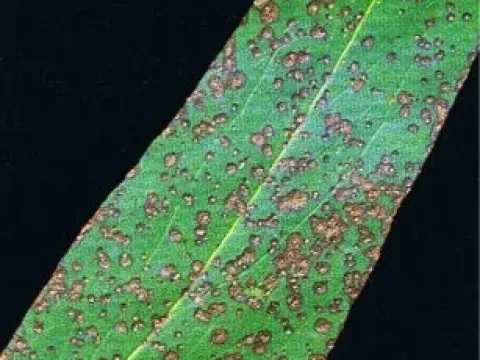
The hallmark symptom of Sonderhenia infection is the appearance of distinct leaf spots. Initially, these spots are small and chlorotic, but they quickly darken into brown or necrotic lesions as the tissue dies.
Close inspection of the necrotic spots often reveals tiny, dark, pinhead-sized structures — these are the pycnidia of the fungus. This visual indicator is key for distinguishing Sonderhenia from other abiotic or biotic leaf injuries.
Infected leaves often experience premature senescence and abscission. The loss of foliage reduces the tree's ability to photosynthesize, which can cause significant stress to the entire plant.
Severe infestations often result in leaf curling or distortion of young shoots, especially in susceptible nursery seedlings. If left unchecked, the disease can lead to significant defoliation of the crown.
Diagnosis in the field is usually preliminary. Confirmation requires laboratory identification, such as observing the morphology of the conidia under a microscope, to differentiate it from other fungal leaf pathogens.
High humidity and moisture are the most critical factors for the development of Sonderhenia. Prolonged rainfall, heavy fog, and dew provide the necessary surface moisture for conidia germination and infection.
Moderate temperatures ranging between 15°C and 25°C create an optimal environment for the fungus to thrive. Extremes of heat or drought tend to suppress the growth of the mycelium and the production of spores.
Poor airflow, often caused by high planting density or lack of pruning, keeps the foliage wet for longer periods, significantly increasing the likelihood of an outbreak. Good canopy management is essential to break the pathogen's lifecycle.
Plants under nutrient deficiency or those experiencing environmental stress, such as poor soil aeration, are more susceptible to infection. Healthy, well-nourished plants are often more resilient against initial attacks.
The movement of plant material across regions is the primary vector for the long-distance spread of the disease. Strict quarantine measures and careful inspection of imported nursery stock are necessary to prevent new outbreaks.
Sonderhenia causes significant damage to both commercial timber plantations and ornamental landscapes. Defoliation reduces the growth rate of trees, leading to lower wood quality and diminished carbon sequestration potential.
In nursery environments, the disease can be devastating, causing high mortality rates in young seedlings. This represents a direct economic loss and increases the cost of reforestation and planting projects.
Chronic infection weakens the overall health of the host, making it more susceptible to secondary pests and drought. Over time, this leads to tree decline and the eventual death of the affected specimen.
The costs associated with managing Sonderhenia, including chemical treatments and increased maintenance of the affected areas, place a heavy financial burden on land managers and commercial growers.
Beyond economic impact, the loss of foliage on ornamental trees significantly diminishes their aesthetic value, which is particularly detrimental in urban forestry and public park management.
Integrated pest management (IPM) is the most effective approach to control Sonderhenia. The first step is sanitation: promptly removing and destroying infected fallen leaves reduces the primary inoculum for the next growing season.
Chemical control involving copper-based fungicides or systemic products can be effective if applied early. It is crucial to follow local regulations and ensure proper coverage of the leaf canopy.
Pruning is a vital cultural practice. By removing heavily infected branches and thinning the crown, growers can improve light penetration and airflow, which naturally discourages fungal growth.
Selecting resistant cultivars or species is the best long-term strategy for plantations. Matching the plant variety to the local climate reduces stress and makes the host less attractive to the fungus.
- Regular inspections to catch outbreaks early.
- Disinfecting pruning tools between trees to stop the spread.
- Optimizing irrigation to avoid wetting the leaves.
- Encouraging plant vigor through balanced fertilization.