
Sonderhenia eucalypticola
Sonderhenia eucalypticola
Description
Symptoms
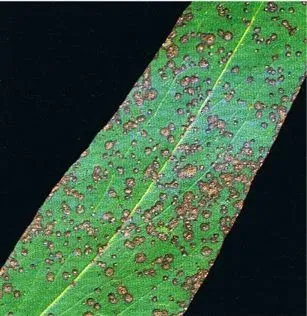
The primary symptom of the disease is the appearance of distinct leaf spots on the foliage of infected eucalyptus trees, which vary in size and intensity.
These spots typically start as small chlorotic areas that eventually transition into brown or dark necrotic lesions with a well-defined border.
As the infection advances, the centers of the spots may develop fruiting bodies of the fungus, appearing as tiny black specks on the leaf surface.
Infected leaves often undergo premature senescence, turning yellow and falling off the tree, which significantly reduces the photosynthetic capacity.
In high humidity environments, the underside of the leaves may show visible signs of sporulation, appearing as a delicate, fuzzy fungal growth.
Pathogen
The disease is caused by the fungal pathogen Sonderhenia eucalypticola, an ascomycete fungus specifically associated with eucalyptus species.
This pathogen infects the host tissue by penetrating through stomata or minor wounds, establishing a parasitic relationship for nutrient extraction.
Its biological cycle is intricately linked to the host's phenology, allowing it to complete its development while exploiting the tree's resources.
The pathogen disperses through the release of conidia, which are efficiently spread by wind, rain splashes, and physical contact within dense stands.
The fungus survives during unfavorable periods in the debris of fallen leaves, serving as a primary source of inoculum for the next infection cycle.
Conditions for development
The development of Sonderhenia eucalypticola is favored by prolonged periods of high relative humidity and mild, moderate temperatures.
Poor ventilation in dense plantations or nurseries traps moisture around the foliage, creating an ideal microclimate for fungal spore germination.
Frequent rainfall or heavy dew provides the necessary free water on the leaf surface required for the pathogen to successfully infect healthy tissue.
Plants under physiological stress, often due to nutrient deficiencies or poor soil management, show higher susceptibility to the disease.
Environmental conditions that limit the drying of foliage after rain significantly increase the severity and rate of spread of the infection.
Why it matters
The main economic impact is the significant reduction in leaf area, which hinders the tree's growth and decreases overall vigor and health.
Chronic defoliation leaves the trees vulnerable to secondary infections, pest infestations, and harsh environmental stressors during dormant seasons.
In commercial eucalyptus nurseries, the disease can lead to substantial losses of planting material and reduced quality of saplings.
The aesthetic value of eucalyptus trees used in urban or private landscaping is severely diminished by the presence of disfiguring leaf spots.
Long-term impairment of photosynthesis results in stunted development, affecting both the height and trunk diameter of young trees.
Protection
Effective management begins with strict sanitation practices, including the removal and destruction of fallen leaves and infected plant debris.
Optimizing plant spacing in nurseries and plantations is essential to ensure adequate airflow and reduce the humidity levels that favor the fungus.
Chemical control involving copper-based fungicides or systemic anti-fungal agents can be applied as a preventive measure during periods of high risk.
Avoiding overhead irrigation or watering early in the day can help ensure that foliage dries quickly, preventing conditions suitable for infection.
- Monitoring plant health to detect early symptoms of spotting.
- Using balanced fertilization to boost the tree's natural defense systems.
- Selecting resistant varieties or clones suitable for local climate zones.
Discussion
No discussions yet — be the first.