
Sooty mold
Capnodium salicinum
Description
Symptoms
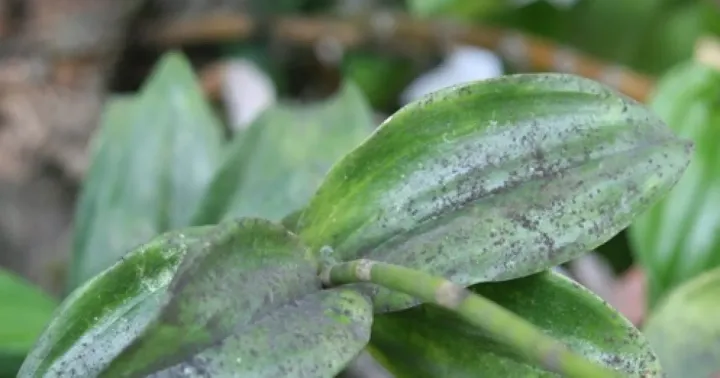
The primary visual sign of sooty mold is a black or dark-gray, soot-like deposit that covers the leaves and stems. Initially, this mold can be wiped off easily with a wet cloth or fingers.
The mold is typically distributed in patches, concentrated where the honeydew has accumulated. It gives the affected areas a dark, velvety appearance, contrasting sharply with the healthy green foliage.
Affected plants often appear dull and lusterless. As the mold layer thickens, the underlying leaf tissue may show signs of yellowing or chlorosis due to the blockage of sunlight.
In severe cases, leaves may curl, dry out, or fall prematurely. This stunted appearance often signals that the plant is dealing with a dual problem: the primary insect infestation and the secondary fungal growth.
If you observe sooty mold, it is essential to look closely at the undersides of the leaves or along the veins to find the insects responsible for the honeydew secretion.
Pathogen
The causative agent of the disease is the fungus Capnodium salicinum. It belongs to the group of epiphytic fungi that do not invade plant tissues but grow exclusively on the surface of leaves, stems, and fruits.
It is classified as a saprotrophic fungus. It does not feed on the plant itself; rather, it thrives on the sugary secretions, known as honeydew, produced by sap-sucking insects like aphids and whiteflies.
The life cycle begins when fungal spores land on the sticky honeydew residue on a plant surface. Under humid conditions, these spores germinate and develop into a dark, branching mycelium.
The mycelium eventually forms a dense, dark-colored mat or crust. While it remains on the surface, its extensive growth can cover large portions of the plant's aerial parts.
The pathogen is highly dependent on the presence of insect hosts. As long as honeydew is present, the fungus can continue to colonize and spread across the canopy through wind and rain splash.
Conditions for development
The presence of sap-sucking insects (aphids, scales, mealybugs, whiteflies) is the prerequisite for the disease. The fungus cannot colonize a clean, pest-free plant.
High humidity and poor air circulation are critical factors that promote rapid mold growth. Densely packed canopies prevent the evaporation of moisture, creating a perfect microclimate for the fungus.
Temperatures ranging from +18°C to +28°C provide an ideal environment for the active spread and proliferation of Capnodium salicinum colonies throughout the growing season.
Lack of direct sunlight due to overgrown or cluttered foliage further aids the fungus. In shaded areas, the honeydew remains moist and sticky for longer periods, facilitating fungal colonization.
Poor horticultural practices, such as excessive watering or failure to prune overcrowded branches, contribute to the persistence of the fungus by sustaining high humidity levels.
Why it matters
The main danger of sooty mold is its negative impact on photosynthesis. By covering the leaf surface, the black fungal mat blocks essential sunlight, preventing the plant from producing the sugars it needs to grow.
The mold physically blocks the stomata (the pores used for gas exchange). This leads to physiological stress, impaired respiration, and a decline in the plant's overall vigor.
For ornamental plants, the aesthetic value is ruined, while for fruit crops, the mold leads to marketability issues. Discolored and stained fruit often require intensive cleaning, which may not always be effective.
The plant’s immune system becomes compromised due to the constant stress caused by the insect pests and the fungal crust, making it more susceptible to opportunistic pathogens and adverse weather.
Chronic infestations over several seasons can lead to weakened branches, reduced fruit set, and eventual dieback of younger or more sensitive plants in the landscape.
Protection
The most important control step is to eliminate the sap-sucking pests. Once the source of honeydew is removed, the sooty mold will dry up and eventually disappear on its own.
You can manually remove the mold from small plants by washing the leaves with a mild soapy solution. This removes the blockage and allows the leaves to breathe and regain their color.
- Prune branches to improve light penetration and airflow.
- Apply systemic insecticides to control the pest population effectively.
- Use copper-based fungicides if the infection is widespread and causing severe damage.
- Manage irrigation carefully to avoid creating excessively humid conditions around the plant.
Prevention involves regular monitoring and early detection of pests. Maintaining plant health through proper fertilization and pruning creates a resilient environment that is less prone to colonization.
Always sanitize your gardening tools after working with infected plants to avoid spreading spores to healthy sections of your garden or other plants in the vicinity.
Discussion
No discussions yet — be the first.