
Solorina
Solorina
Solorina is a genus of lichenized fungi belonging to the family Peltigeraceae. It is strictly a biological organism, not a plant pathogen causing agricultural diseases.
What the section contains
Solorina
This organism consists of a fungal partner and a photosynthetic component (cyanobacteria or algae) living in a symbiotic association.
It does not attack crop plants or inhibit their growth; therefore, it does not pose any risk to agricultural systems or commercial farming.
Pathology experts classify this genus as a harmless component of native ecosystems rather than a plant disease agent.
The study of Solorina is relevant for ecology and lichenology, as it provides insights into ecosystem stability and environmental quality.
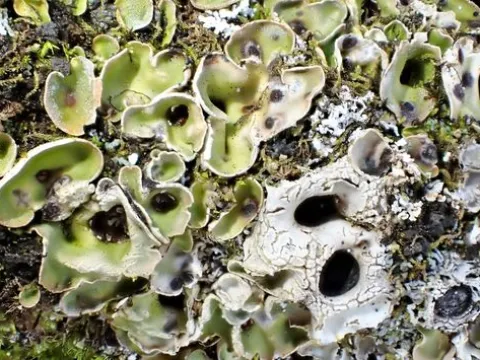
Solorina typically presents as a foliose thallus that forms rosettes on the soil surface or over bryophytes in remote northern or alpine areas.
The color of the upper surface ranges from olive to brown, adapting to the light conditions of its cold-climate habitats.
A distinctive feature of the genus is the presence of large, sunken apothecia that appear embedded within the thallus surface.
The lower surface of the thallus often features rhizines or a tomentose layer, which serves to anchor the lichen to the rocky or calcareous substrate.
Colonies are generally small and grow slowly, reflecting the harsh environmental conditions where they typically thrive.
These lichens thrive in cold, moist environments, most commonly found in arctic, subarctic, and high-alpine mountainous regions.
They prefer calcareous soils or rocks, where the pH levels are suitable for their unique biological requirements and mineral absorption.
Solorina species are known to be sensitive to air pollution and acid rain, making them valuable bioindicators for monitoring air quality.
They require stable, undisturbed conditions, as they are not adapted to withstand mechanical soil disturbance or heavy human traffic.
Seasonal moisture availability is the primary driver for their growth, allowing them to remain dormant during periods of extreme freezing.
There is no economic harm caused by Solorina, as it does not compete with agricultural crops for nutrients, water, or light.
Since this lichen does not survive in tilled or fertilized soils, it is completely absent from managed fields and commercial farms.
It carries no pathogenic risk to plant health and is not involved in any cycle of crop devastation or secondary infection.
The presence of Solorina in natural areas is actually beneficial, as it helps stabilize the soil surface and contributes to nitrogen fixation.
In conclusion, the species pose zero threat to any aspect of agricultural production or farm management strategy.