
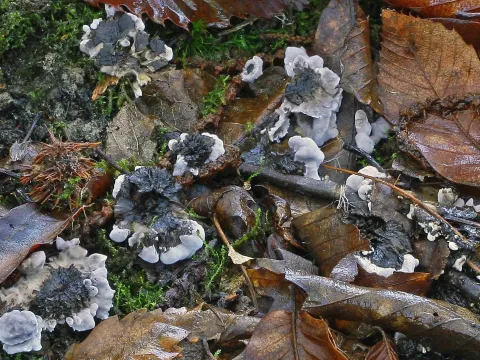
Sarcodon regalis
Sarcodon regalis
Sarcodon regalis is a fungus that functions as both a saprotroph and a weak pathogen within various forest and woody plant ecosystems. Belonging to the Bankeraceae family, it is known for its complex interaction with root systems, often leading to significant physiological stress in the host.
What the section contains
Sarcodon regalis
The disease caused by this organism is primarily categorized as root rot. As the fungal mycelium colonizes the rhizosphere, it engages in the enzymatic degradation of plant tissues, focusing on the breakdown of structural compounds such as lignin and cellulose.
Biological identification is aided by the presence of unique fruiting bodies, which exhibit a distinctive spine-like hymenophore. These structures appear near the base of the trunk or on decaying organic matter, signaling the presence of an established colony in the soil.
The fungus acts by infiltrating the root vascular system, effectively blocking the transport of water and essential minerals. This mechanical and enzymatic obstruction is the root cause of the declining health observed in infected plants.
Understanding the life cycle of Sarcodon regalis is essential for accurate diagnosis. Agronomists must distinguish it from other soil-borne pathogens to ensure the correct application of control measures, as its behavior can vary based on the host tree species.
The early symptoms of an infection include a gradual loss of leaf turgor and yellowing of the foliage, even in favorable environmental conditions. This foliage decline is a direct result of the root system's inability to supply sufficient nutrients.
Visual identification often includes the discovery of fleshy fruiting bodies with characteristic spines around the root zone. Their appearance during the growth season is a definitive indicator of an active infection in the vicinity.
Excavation of the soil around the base of the plant reveals a dense, white or cream-colored mycelial mat. This mat tightly wraps around the finer roots, causing the root bark to become soft, discolored, and prone to rapid decay.
In advanced stages, the bark at the root collar may show signs of necrosis. These necrotic lesions eventually expand, potentially girdling the trunk and cutting off the flow of nutrients completely, which leads to total plant decline.
Progressive dieback of the canopy and lack of new annual growth are common late-stage indicators. In many cases, the plant loses its structural stability, making it highly vulnerable to being uprooted by wind or physical stress.
The development of Sarcodon regalis is strongly favored by high soil moisture levels and the presence of buried woody debris. These conditions create an ideal environment for the fungus to establish and expand its mycelial network.
Soil acidity plays a crucial role in its spread. The fungus thrives in acidic environments, where the natural competition from beneficial soil microorganisms is often lower, allowing it to dominate the root zone of the host.
Poor agronomic practices, such as soil compaction, create anaerobic conditions that severely weaken the host plant's root system. This stress suppresses the plant's immune response, making it easier for the fungus to penetrate the roots.
Dissemination occurs through spores that can be carried by water runoff, wind, or through the movement of soil by fauna. Mechanical damage during cultivation acts as a primary entry point for the pathogen into healthy roots.
The growth period, particularly during extended wet weather, provides the optimal temperature and moisture profile for the pathogen to reach its peak activity, leading to rapid colonization of new root segments.
The primary harm caused by this pathogen is the steady depletion of the host plant's energy reserves. By diverting carbohydrates away from the tree, the fungus severely impacts growth, productivity, and the overall longevity of the plant.
Infection induces a systemic stress state that leaves the tree susceptible to secondary attacks. Insects, such as wood-boring beetles, frequently colonize plants already weakened by the fungal rot, accelerating the death of the host.
Economic losses in nurseries can be substantial due to the high mortality rate of infected seedlings. Infected stock often must be destroyed to prevent the spread of spores to healthy areas of the facility.
Long-term infestation can alter the chemical composition of the surrounding soil. This buildup of toxic metabolic by-products renders the soil unsuitable for healthy replanting, necessitating intensive soil remediation efforts.
In cases of severe infection, the risk of losing entire stands is significant. The inability of the plant to repair its damaged root system makes recovery unlikely without prompt and effective intervention.
Effective control begins with strict sanitation practices. It is crucial to remove and properly dispose of all stumps and dead wood that could act as a reservoir for the pathogen to thrive.
Soil management through liming is recommended to adjust pH levels, creating a less hospitable environment for Sarcodon regalis. Maintaining optimal soil balance helps support natural antagonists that compete with the pathogen.
Improving site drainage and preventing waterlogging are vital agronomic strategies. Ensuring that the rhizosphere remains well-aerated inhibits the growth of the fungus and encourages healthier root development.
Chemical control involving systemic fungicides applied to the root zone can be effective in containing localized outbreaks. These treatments are best used as part of an integrated program to reduce the pathogen load in the soil.
Biological control using beneficial fungi, such as Trichoderma species, offers an eco-friendly alternative. These antagonists actively occupy the soil space, effectively suppressing the spread of Sarcodon regalis and promoting overall root health.