
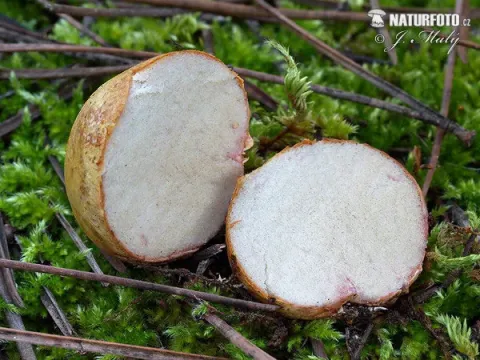
Rhizopogon
Rhizopogon
Rhizopogon is a genus of fungi belonging to the Rhizopogonaceae family, characterized by its symbiotic relationship with coniferous tree species.
What the section contains
Rhizopogon
These fungi form ectomycorrhizae, which are essential structures that facilitate the exchange of nutrients between the soil and the tree roots.
While often misidentified as a plant disease due to their presence on roots, they are biologically considered mutualistic symbionts.
The fungus produces underground or semi-subterranean fruiting bodies that are frequently mistaken for root galls or pathological growths.
Their presence typically indicates a healthy, biologically active soil environment necessary for the development of young coniferous stands.
The primary sign of Rhizopogon colonization is the appearance of tuber-like fruiting bodies beneath the surface of the soil or needle litter.
These fruiting bodies exhibit colors ranging from creamy white to yellowish and dark brown as they mature in the substrate.
Close inspection of the root system reveals a dense network of white or yellow rhizomorphs that firmly grip the fine root hairs.
Unlike parasitic infections, these fungi do not cause tissue necrosis, browning, or foul odors within the infected plant tissues.
The roots maintain their structural integrity and healthy appearance despite being heavily colonized by the fungal mycelium.
Rhizopogon fungi flourish in sandy, well-drained soils that are typically low in nutrients, where mycorrhizal support is most beneficial.
Optimal development of fruiting bodies occurs during periods of high soil moisture and cool to moderate temperatures, common in forest environments.
The fungi require the presence of suitable host trees, such as pines, firs, or larches, to establish their life cycle.
Dispersal of fungal spores is largely facilitated by small mammals that consume the fruiting bodies and distribute them across the forest floor.
Minimal soil disturbance and the maintenance of organic litter layers create the perfect conditions for the continued growth of these fungi.
Rhizopogon is generally considered a non-pathogenic organism that enhances tree vigor rather than causing actual harm to the host plant.
In managed forestry, they are viewed as positive indicators of site quality and tree health rather than as a nuisance or disease threat.
Negative impacts are virtually non-existent, unless excessive colonization in nursery containers leads to competition for available root space.
The main danger lies in the misdiagnosis of the fungus as a root pathogen, leading to the unnecessary and harmful application of fungicides.
By protecting the root system from colonization by harmful parasitic fungi, Rhizopogon serves as a natural defensive barrier for conifers.
There is no standard protocol for the control of Rhizopogon, as it is widely accepted as a beneficial component of forest soils.
Manual removal of fruiting bodies is sufficient if their presence is undesirable for aesthetic reasons in parks or ornamental plantations.
Chemical control measures are strictly discouraged to preserve the integrity of the soil microbiome and mycorrhizal networks.
Cultural practices such as proper irrigation management can naturally limit the proliferation of fruiting bodies if they become overly dense.
- Monitoring soil health instead of eradication.
- Preserving natural ecosystem balance.
- Avoiding unnecessary pesticide usage near conifers.