
Rhizopogon reticulatus
Rhizopogon reticulatus
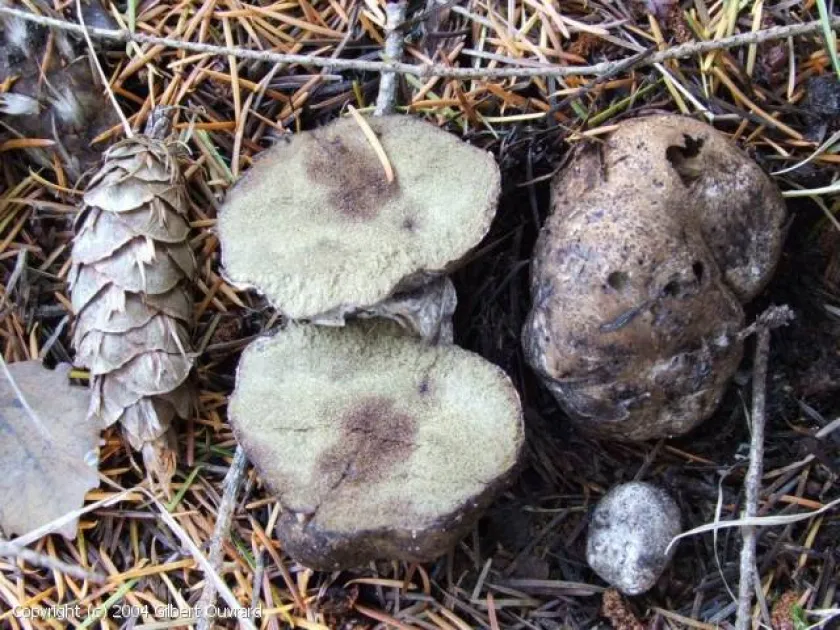
Description
Symptoms
The primary visible sign of Rhizopogon reticulatus is the emergence of round or tuber-like fruiting bodies. These often exhibit a yellowish-brown color with a distinct reticulated or netted pattern on the surface.
On the root systems, the presence of the fungus is indicated by a characteristic mycorrhizal mantle. The root tips appear thickened and may show a pale or ochre hue, signifying a healthy symbiotic connection.
There are no symptoms of disease such as wilting, chlorosis, or necrosis in the foliage of host trees. The overall vitality of the tree remains high, distinguishing this symbiosis from true pathogenic infections.
In nursery settings, one might observe visible white or yellowish mycelial strands wrapping around the root ball. These strands can form dense mats, often mistaken by untrained observers for fungal infections or harmful diseases.
Diagnostic identification typically requires microscopy to confirm the presence of hyphal sheaths and internal structures. Identification is also possible through molecular analysis of the fungal DNA within the root tissues.
Pathogen
Rhizopogon reticulatus is a fungus within the Rhizopogonaceae family, widely recognized for its crucial role in forest ecosystems. In forestry, it is not classified as a pathogen but rather as a beneficial mycorrhizal symbiont that associates with the roots of conifers.
Biologically, it is a gasteroid fungus that forms fruiting bodies beneath the soil or litter layer. The fungus establishes ectomycorrhizal connections with host roots, which are essential for nutrient and water uptake in forest trees.
The mycelium of Rhizopogon reticulatus extends into the soil, creating a vast hyphal network. This network enhances the surface area of the root system, allowing the host tree to survive in nutrient-poor or drought-prone environments.
Reproduction occurs primarily through spores, which are distributed by small mammals or water flow. In suitable forest conditions, the fungus colonizes the root zone, reinforcing the tree's health and structural resilience.
Unlike parasitic fungi, this species maintains a balanced, mutualistic relationship with the host. It remains a key component of the soil microbiome, supporting the growth of pine species throughout their lifespan.
Conditions for development
The development of the fungus is strictly dependent on the presence of compatible host species, particularly within the Pinaceae family. It thrives in well-drained, sandy, or gravelly soils that are relatively low in organic matter.
High soil moisture during the growing season is necessary for active mycelial growth and the formation of fruiting bodies. However, the fungus is sensitive to waterlogging, as it requires adequate oxygen levels in the soil.
The optimal temperature range for this fungus is between 15°C and 22°C. It is quite resilient, capable of remaining dormant in the soil during periods of extreme temperature or prolonged moisture deficiency.
Soil acidity plays a role in the establishment of symbiosis, with slightly acidic conditions favoring the fungus. Excessive nitrogen fertilization can inhibit the development of mycorrhiza, causing the tree to abandon the symbiosis.
The dispersal of the fungus is often facilitated by soil fauna and forest animals. In controlled nursery environments, it is primarily spread through the movement of contaminated soil or infected root stocks.
Why it matters
Rhizopogon reticulatus is essentially non-harmful to trees. In the context of forestry, it is regarded as a highly beneficial organism that improves the establishment and survival of seedlings in reforestation projects.
Negative impacts are rare and occur only under poor management practices in nurseries. If soil becomes overly compacted, the dense growth of mycelium might restrict root aeration, slightly slowing seedling development.
There is no evidence of the fungus secreting phytotoxins or causing wood decay. It contributes significantly to the health of the tree by mobilizing phosphorus and other essential nutrients from the soil substrate.
Competition with other beneficial fungi may occur, but this is a natural ecological process and does not result in significant economic damage to forest stands or wood quality.
The presence of this fungus is often a sign of a healthy, functioning forest floor. Seedlings inoculated with Rhizopogon reticulatus exhibit superior growth rates compared to those lacking this mycorrhizal partner.
Protection
No control measures are necessary, as Rhizopogon reticulatus provides ecological and economic benefits. It is not a target for fungicide application, as doing so would disrupt the essential mycorrhizal community.
If mycelial growth becomes excessive in nursery beds, regular aeration or cultivation of the soil between rows is sufficient. This disrupts the surface hyphae and improves soil structure without destroying the root symbiosis.
Maintaining appropriate soil moisture levels prevents the development of undesirable fungal mats. Proper drainage is the most effective management tool to keep the soil ecosystem in balance.
When transplanting young trees, it is advisable to keep the original root ball intact to preserve the established mycorrhizal fungi. This minimizes transplant shock and ensures the seedling remains vigorous.
Practices that favor natural soil health, such as the application of moderate organic amendments, help promote the development of healthy mycorrhizal partnerships, securing the long-term vitality of forest crops.
Discussion
No discussions yet — be the first.