
Rhizopus microsporus
Rhizopus microsporus
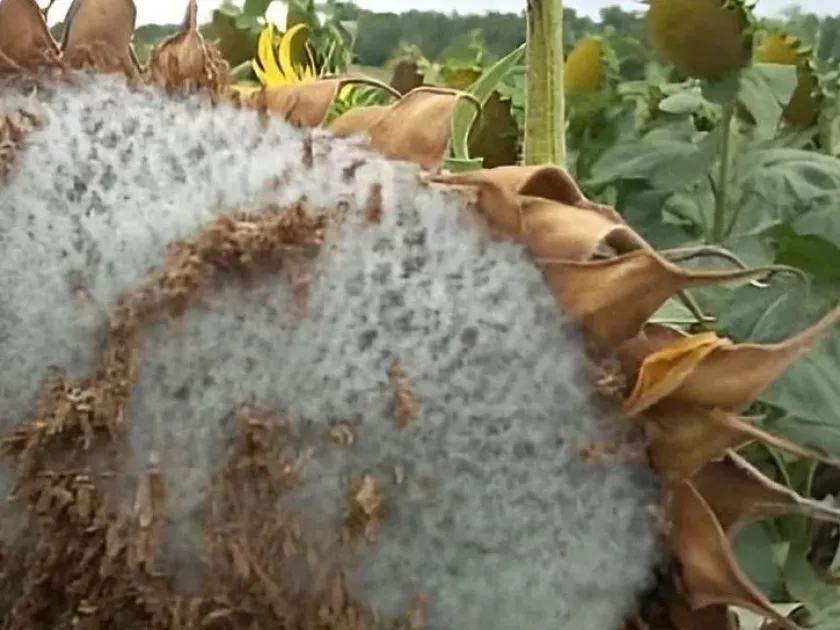
Description
Symptoms
The primary symptom is the development of a dense, cotton-like fungal mat, initially greyish or white, covering the surface of fruits, vegetables, or seeds. As sporangia mature, the growth turns black, creating a distinct "fuzzy" appearance.
Infected plant tissues undergo rapid softening, often losing their shape and turning into a watery, foul-smelling mass. In many cases, the outer skin of the fruit remains intact for some time, masking the extensive internal rot.
Early symptoms may be subtle, appearing as minor soft spots, but firm pressure easily collapses the infected area. In high-humidity conditions, the mycelium can colonize an entire fruit within just a few days.
In stored seeds, infection manifests as a dark coating, which significantly reduces germination rates and quality. Infected seeds serve as primary inoculation points for the spread of the fungus to surrounding healthy materials.
- Grey or black fuzzy fungal growth on surfaces.
- Rapid tissue softening and liquefaction.
- Presence of tiny black sporangia on the mycelium.
- Distinct sour odor associated with decaying plant matter.
Pathogen
The causative agent of the disease is the microscopic fungus Rhizopus microsporus, a member of the Zygomycota phylum. It is a facultative parasite characterized by high enzymatic activity, enabling it to rapidly degrade plant tissues.
The fungus survives in soil, on crop debris, and within seed material through resistant spores. These structures exhibit high tolerance to adverse environmental conditions, ensuring the pathogen's long-term persistence in the field.
The life cycle of the fungus is notably fast. Once infection begins, the mycelium penetrates plant cells and secretes pectinolytic enzymes, which break down intercellular substances and rapidly destroy tissue structural integrity.
Propagation occurs via airborne spores or through water droplets and insect vectors. The massive production of spores within sporangia ensures efficient dissemination of the fungus throughout the field or storage facility.
While this pathogen is studied for its biotechnological properties, it is primarily viewed in agriculture as an aggressive opportunistic pathogen that thrives on compromised plant tissues.
Conditions for development
Development is heavily favored by high relative humidity, typically exceeding 75-80%. Moisture on the surface of plant parts creates an ideal environment for rapid spore germination and mycelial growth.
Optimal temperatures for the fungus range between +25°C and +35°C. Hot, humid summers or warm storage conditions significantly accelerate the rate of disease spread and tissue degradation.
Mechanical injury is a critical prerequisite for infection. Since the fungus is a wound-invading pathogen, it rarely breaches healthy, unbroken plant cuticles or rinds without prior damage.
Poor ventilation in warehouses and greenhouses leads to condensation, which promotes spore germination and creates favorable conditions for rapid secondary infections across stored stocks.
Plants suffering from nutrient deficiencies or other stressors are more susceptible to invasion by Rhizopus microsporus due to compromised physiological defense mechanisms.
Why it matters
The primary damage caused by Rhizopus microsporus is the total loss of commercial value for harvested produce. Infected fruits and vegetables become entirely unfit for fresh consumption, processing, or long-term storage.
The fungus can produce mycotoxins, which may render the contaminated material toxic to both humans and livestock. This restricts the use of crop waste as animal feed or biomass.
Within large-scale storage facilities, the pathogen can destroy entire batches of produce in a very short time. The outbreak is often explosive, spreading from a few infected items to the entire container.
Infection of seeds leads to poor emergence and seedling death, causing significant gaps in stands and potentially requiring costly replanting operations.
Economic losses are cumulative, starting from harvest-time damage and escalating throughout the logistical chain, including transport and market-stage spoilage.
Protection
The first line of defense involves strict adherence to harvesting protocols that minimize physical damage to produce. Careful handling during transport is essential to prevent secondary infections.
Maintaining proper environmental conditions in storage facilities is vital, including low humidity and constant air circulation. Regularly disinfecting storage units and bins prior to the new harvest is mandatory.
Sanitation practices, including the thorough removal and destruction of crop debris, help reduce the overall inoculum load in the field. Effective pest management also helps prevent the injuries that allow fungal entry.
Seed treatment with broad-spectrum fungicides is standard practice to protect against soil-borne pathogens during germination and early crop establishment.
During the growing season, preventive fungicide sprays are recommended in high-risk areas or during prolonged periods of wet, warm weather to protect vulnerable tissues.
Discussion
No discussions yet — be the first.