
Ramaria root rot
Ramaria
Ramaria root rot is a fungal disease caused by species of the genus Ramaria. In agronomic practice, this pathogen is classified as a mycosis affecting the root system and the root collar of cultivated plants.
What the section contains
Ramaria root rot
The pathogen belongs to basidiomycetes, which are often saprotrophs in natural environments but can exhibit pathogenic properties under certain factors.
The mycelium of the fungus actively expands in the soil substrate, penetrating plant tissues through micro-cracks or damage caused by pests or agricultural practices.
The biological cycle of the fungus is closely linked to the presence of organic residues in the soil, where it can maintain viability for several seasons.
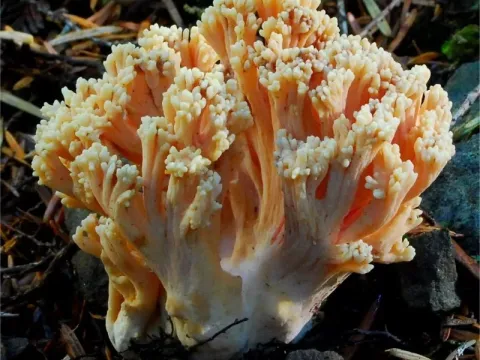
The pathogen is capable of forming characteristic coral-shaped fruiting bodies, which serve as the primary source of spore dispersal during the growing season.
The main sign of infection is general growth inhibition, which becomes apparent at the early stages of crop development.
Examination of the root system reveals characteristic darkening and tissue necrosis, often accompanied by the presence of white or cream mycelium mats.
Leaf blades begin to yellow gradually, starting from the lower levels, which is often mistakenly attributed to a nutrient deficiency.
In advanced cases, total wilting of the plant occurs due to the destruction of the vascular system and the inability of the plant to absorb moisture.
- yellowing of lower leaves
- necrosis of the root zone
- stunted vegetation
- presence of white mycelium on roots
The development of the disease is favored by high soil moisture combined with moderate temperatures, creating ideal conditions for mycelium growth.
Poorly drained areas and soil compaction significantly increase the risk of widespread infection across the entire field.
Large amounts of undecayed plant residues in the topsoil serve as an excellent substrate for primary infection.
An acidic soil reaction can also stimulate fungal activity while simultaneously suppressing the development of crops.
Failure to rotate crops and frequent replanting of susceptible varieties in the same location increase the accumulation of the infection background in the soil.
The harmfulness of Ramaria root rot lies in significant losses in crop productivity and reduced quality of the harvested yield.
Massive infection of crops can lead to thinning of plant stands, resulting in a significant percentage decrease in total yield.
Tissues damaged by the fungus become more vulnerable to secondary bacterial infections, which accelerate the decay and death of the plant.
Infested plots require additional economic expenditure for specific protective measures and soil disinfection.
Furthermore, the visual quality of the produce is degraded, reducing its market value and suitability for long-term storage.
A key preventive method is adhering to proper crop rotation, which prevents the accumulation of the same pathogen in the soil.
It is necessary to perform quality soil cultivation aimed at destroying plant residues and improving soil aeration.
The use of healthy seed material and seed treatment with broad-spectrum fungicides reduces the risks of infection.
Regulating soil acidity through liming creates an unfavorable environment for the development of most soil fungi.
Upon detection of the first symptoms, fungicidal treatments approved for specific crops should be applied.