
Ramaria testaceoflava
Ramaria testaceoflava
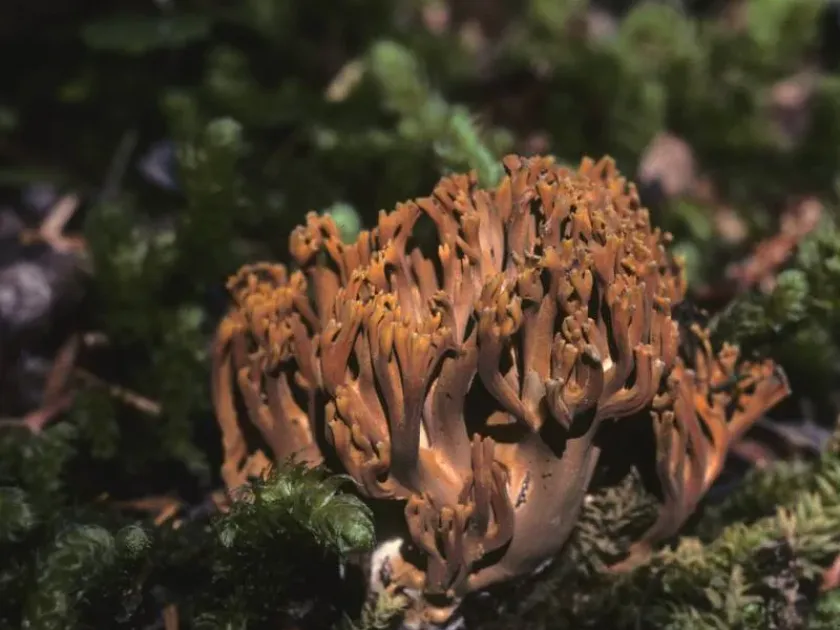
Description
Symptoms
Initial signs of infestation involve gradual wilting of the plant, which fails to respond to regular irrigation, indicating a breakdown of vascular functions in the roots.
Visible coral-shaped fruiting bodies, typically yellowish or brownish, appear around the root collar, signaling that the mycelium has established a strong presence.
Removing the soil around the base of an infected plant reveals whitish mycelial mats that penetrate the bark and necrotic tissues of the roots.
Plants exhibit stunted growth, yellowing foliage (chlorosis), and a general lack of vigor due to the restricted nutrient uptake from the compromised root system.
In advanced stages, the roots become brittle, dark in color, and may emit a distinct musty fungal odor, eventually leading to the death of the specimen.
Pathogen
Ramaria testaceoflava is a basidiomycetous fungus belonging to the Gomphaceae family, which typically functions as a saprotroph but can act as a facultative pathogen in specific ecological niches.
The fungus develops characteristic branched, coral-like fruiting bodies that emerge from the soil surface or around the base of woody plants during periods of high humidity.
Its mycelium spreads through the soil organic layer and can colonize weakened root tissues, utilizing enzymatic processes to break down lignin and cellulose components.
The life cycle of the pathogen involves the release of spores that persist in the soil environment and can be transmitted via water, wind, or contaminated horticultural tools.
While often found on dead organic matter, the transition to pathogenic behavior is usually triggered by environmental stress factors affecting the host plant.
Conditions for development
High soil moisture is the primary driver for the development of Ramaria testaceoflava, as it requires saturated environments to trigger spore germination.
Shaded locations with poor air circulation provide the necessary microclimate for the fungus to thrive and maintain its moisture levels on the ground surface.
The fungus flourishes in temperature ranges between 15 and 22 degrees Celsius, coinciding with the peak vegetative growth periods in spring and autumn.
Poor soil structure and excessive organic debris accumulation provide an ideal medium for the mycelium to establish itself before invading host roots.
Mechanical injuries to the root system or the base of the stem during maintenance activities create entry points that make plants highly susceptible to infection.
Why it matters
The primary danger posed by this fungus is the destruction of the root vascular system, which disconnects the plant from its water and nutrient supply.
In agricultural settings, particularly nurseries, it can cause significant economic losses through the mortality of young saplings and nursery stock.
Infection weakens the host's overall resistance, leaving it vulnerable to secondary infections by other opportunistic pathogens residing in the soil.
The fungus can spread throughout the growing area, contaminating the soil and making it difficult to plant sensitive species in the same location in the future.
Long-term presence of the pathogen results in soil degradation and the suppression of beneficial microbial life, which is essential for healthy plant development.
Protection
Effective control requires improving soil drainage and ensuring proper aeration to prevent the stagnant moisture that favors fungal proliferation.
Sanitation is critical; all infected plant material should be removed along with the surrounding soil and destroyed to eliminate local spore reservoirs.
Disinfection of pruning tools and equipment used in the garden is essential to prevent the cross-contamination of healthy plants during routine care.
Applying copper-based fungicides or appropriate soil-directed treatments can help reduce fungal activity and protect the root zone of vulnerable plants.
- Maintain vigorous plant health through balanced nutrient management.
- Avoid wounding the root collar during weeding or soil cultivation.
- Use certified disease-free planting stock for all new garden additions.
Discussion
No discussions yet — be the first.