
Ramariopsis
Ramariopsis
The genus Ramariopsis comprises a group of fungi belonging to the Clavariaceae family. These organisms are primarily saprotrophic, living on decaying organic matter rather than acting as plant pathogens.
What the section contains
Ramariopsis
Unlike harmful fungi that parasitize living tissue, Ramariopsis species play a beneficial role in ecosystems by decomposing plant debris and cycling nutrients back into the soil.
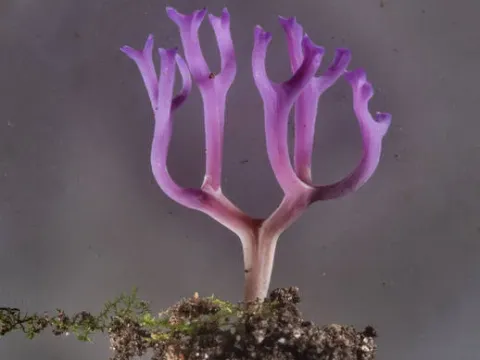
Biologically, they are characterized by the production of coral-like, branched fruit bodies. They are often encountered in meadows, woodlands, and managed lawns where moisture and organic matter are abundant.
Taxonomically, they are identified by the morphology of their spores and the structure of their branching patterns, which differentiate them from other coral-like fungi.
As they do not infect plants, they are not classified as disease-causing agents, though their sudden appearance often triggers unnecessary concern from land managers.
The most visible sign of Ramariopsis is the development of small, branching fruit bodies that appear above the soil surface, resembling miniature coral structures.
The color of these fruit bodies can range from white, cream, and yellow to pinkish or brownish shades, depending on the specific environmental conditions and species.
Plants surrounding the colonies typically remain healthy, showing no signs of infection, chlorosis, necrosis, or wilting, which is a key diagnostic feature distinguishing them from parasites.
Fruit bodies often appear in clusters or scattered groups during cool, wet periods. They do not form rings that kill grass, as is common with certain lawn-pathogenic mushrooms.
Roots of nearby plants are generally healthy, confirming that the fungal mycelium is focused on decomposing surface litter rather than attacking living vegetation.
Ramariopsis thrives in environments with high humidity and significant amounts of organic material, such as decaying leaves, mulch, or nutrient-rich soil.
These fungi prefer temperate climates and often emerge during autumn or following persistent rainfall, which keeps the surface layer of the soil moist.
Poor soil aeration and the buildup of organic thatch in lawns provide an ideal microenvironment for mycelial growth and subsequent fruit body development.
Soil pH and the presence of specific organic substrates influence the distribution of various species, as they require specific chemical cues to produce fruiting bodies.
Spore dispersal occurs via wind or rain splash, allowing these fungi to colonize new areas naturally whenever environmental conditions align with their requirements.
There is no evidence that Ramariopsis causes damage to agricultural crops or ornamental plants, as they are strictly non-pathogenic in their behavior.
In a managed landscape, the only potential "harm" is purely aesthetic, as some property owners may find the appearance of coral-like fungi undesirable on a pristine lawn.
They do not compete with plants for water or nutrients to a significant degree, nor do they interfere with plant growth cycles, as their activity is localized to the surface debris layer.
Because they do not cause diseases, they do not require any quarantine or management strategies aimed at mitigating yield losses or plant death.
Their presence is often an indicator of a rich, biologically active soil, which is generally a positive sign for plant health and long-term soil fertility.
As Ramariopsis are not pathogens, chemical control or the use of fungicides is unnecessary and generally discouraged due to the impact on beneficial soil organisms.
Cultural management is sufficient to reduce their visibility: maintaining good drainage and aerating the soil helps minimize the surface moisture they prefer.
Regularly removing thatch and excess organic debris from the soil surface deprives the fungi of their primary food source, effectively limiting their growth.
If physical removal is desired, simply picking the fruit bodies is an effective and safe method that does not harm the surrounding plants or the soil ecosystem.
Focusing on overall lawn and garden health through proper fertilization and watering schedules will maintain a competitive environment for plants, preventing the dominance of saprotrophic fungi.