
Ramularia botrychii
Ramularia botrychii
Ramularia botrychii is a pathogenic fungus belonging to the class of Hyphomycetes, specifically known for infecting fern species.
What the section contains
Ramularia botrychii
The fungus propagates through the production of conidia, which are asexual spores capable of spreading rapidly when environmental conditions are favorable.
It survives in the debris of previously infected plants or within the soil, forming specialized structures that allow it to remain dormant until the next growing season.
Dissemination primarily occurs via wind dispersal of spores, although water splashes from irrigation or rainfall can also facilitate the movement of the pathogen.
As a specialized parasite, Ramularia botrychii exploits the host's physiological vulnerabilities, successfully colonizing leaf tissue and disrupting normal metabolic functions.
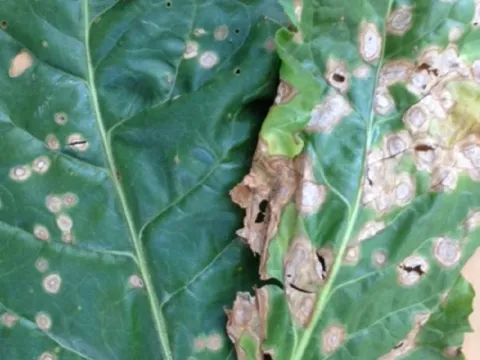
The first symptoms are typically characterized by small, chlorotic spots on the fern fronds, which gradually evolve into distinct necrotic lesions.
These spots often exhibit an irregular or angular shape, constrained by the leaf venation pattern, which is a hallmark of many Ramularia infections.
Under high humidity, a velvety or powdery grayish mold layer appears on the underside of the leaves, representing the sporulation stage of the fungus.
As the disease progresses, necrotic spots may coalesce, leading to severe chlorosis, tissue desiccation, and the eventual premature death of the frond.
The aesthetic integrity of the plant is significantly compromised, resulting in unsightly patches that eventually render the entire specimen ornamental-less.
High relative humidity levels, consistently above 75%, are the most critical environmental factor triggering the spread and development of the disease.
Temperatures ranging from 18 to 22 degrees Celsius create an optimal metabolic environment for the germination of fungal spores on plant surfaces.
Poor ventilation within dense plantings creates a stagnant microclimate, preventing the leaves from drying quickly and promoting fungal colonization.
Prolonged leaf wetness, whether from persistent rain, morning dew, or improper overhead watering, provides the necessary moisture for the pathogen to penetrate the host.
Plants that are physiologically weakened due to light deficiency or nutrient imbalance exhibit higher susceptibility to infection by this fungus.
The primary damage caused by Ramularia botrychii is the reduction of functional photosynthetic area, which negatively impacts the plant's overall energy balance.
Chronic infections weaken the root system, causing the plant to grow more slowly and become less resistant to secondary environmental stressors like cold or heat.
For nursery production, the disease leads to significant economic loss, as affected ferns do not meet the quality standards required for the ornamental market.
Uncontrolled spread within a collection can destroy sensitive fern species, leading to the permanent loss of unique plant specimens.
Severe infestations often result in the total defoliation of the plant, which, if not addressed, can lead to the death of the entire specimen over time.
Sanitation is the most effective management strategy, requiring the prompt removal and destruction of infected fronds to prevent spore dispersal.
Adopting proper spacing and ensuring adequate airflow between plants significantly reduces the humidity surrounding the foliage, hindering fungal development.
Fungicidal applications, particularly those targeting leaf spot pathogens, should be employed during early stages to provide a protective barrier on healthy leaves.
Watering practices should be adjusted to focus on root-zone irrigation, strictly avoiding moisture contact with the aerial parts of the plant.
- Regular removal of plant debris from the garden bed.
- Use of certified pathogen-free planting material.
- Application of biological control agents like Trichoderma.
- Frequent monitoring to ensure early detection of symptoms.