
Ramalinaceae lichens
Ramalinaceae
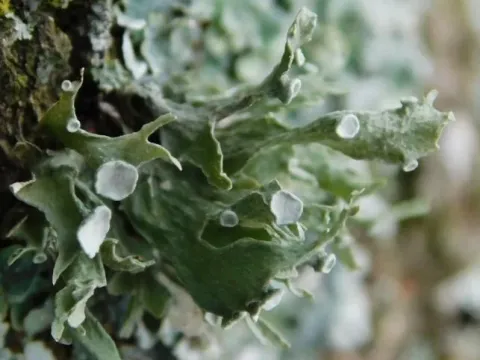
Ramalinaceae is a family of lichens that often colonize tree bark, appearing as bushy, tufted, or strap-like growth patterns that can cover stems and branches.
What the section contains
Ramalinaceae lichens
The primary symptom is the presence of pale green, grey, or yellowish thalli that attach firmly to the bark surface, sometimes giving the tree a bearded appearance.
These organisms do not cause localized tissue necrosis in the same way as pathogens, but their mass presence is a visual signal of tree stress or old age.
Often, affected trees show signs of decline, such as reduced twig elongation and thinning foliage, as the lichen colonization indicates environmental or physiological issues.
The lichen structure can vary from upright, shrub-like forms to flat, crusty patches, depending on the specific species within the Ramalinaceae family present on the tree.
Ramalinaceae are not true plant pathogens; they are symbiotic organisms comprising a fungus and an alga that use the bark solely as a physical anchor.
They are classified as epiphytes, meaning they do not extract nutrients from the host plant but rely on the atmosphere and rainfall for their growth requirements.
While not feeding on the tree, they are biological indicators of high humidity and slow growth rates, often thriving where the tree's own protective mechanisms are weakened.
They colonize the bark using spores or fragments, which can be dispersed by wind or rain, quickly establishing themselves on stable surfaces.
Though not infectious, their role as an ecological habitat for microorganisms can indirectly increase the risk of secondary infections by true fungal pathogens.
High humidity levels and stagnant air are the primary drivers for the successful colonization and expansion of Ramalinaceae lichens on woody plants.
Trees with dense, unpruned canopies provide the shaded and moist microclimate that these organisms prefer to thrive and spread throughout the branches.
Older trees, characterized by rough, fissured bark and slower metabolic activity, offer ideal attachment points for lichen spores to settle and develop.
Orchards with minimal maintenance, such as lack of stem cleaning or proper site drainage, are more prone to heavy lichen infestations compared to well-managed trees.
Environmental cleanliness also plays a role, as many lichen species are sensitive to air pollutants and proliferate best in clean, undisturbed rural or woodland areas.
The primary concern with heavy lichen coverage is that it provides a perfect refuge for tree pests like scale insects, which hide under the thalli from predators.
By retaining significant moisture on the bark, thick lichen layers can keep the surface continuously damp, potentially promoting the growth of decay-causing fungi.
The physical presence of dense lichen colonies can impair bark respiration through lenticels, which is particularly detrimental to the vitality of younger, active tissue.
Trees heavily infested often demonstrate overall low vigor, making them more susceptible to environmental stressors and opportunistic infectious diseases.
Aesthetic damage and the difficulty of inspecting the bark for early symptoms of true pests or diseases are significant practical issues for orchard managers.
Mechanical removal is the most effective control method, involving the gentle scraping or brushing of the bark with stiff brushes to dislodge the lichens.
Whitewashing trunks and major branches with lime-based mixtures helps to deter new lichen colonization and provides a sanitary barrier for the tree bark.
Regular pruning to open up the canopy improves air circulation and light penetration, effectively creating an environment that is unfavorable for lichen growth.
Early spring applications of copper-based fungicides are useful for sanitizing the bark surface and destroying lichen spores before they have a chance to germinate.
Promoting tree health through balanced fertilization and irrigation ensures that the bark remains healthy and active, which naturally resists excessive epiphytic growth.