
Ramaria formosa
Ramaria formosa
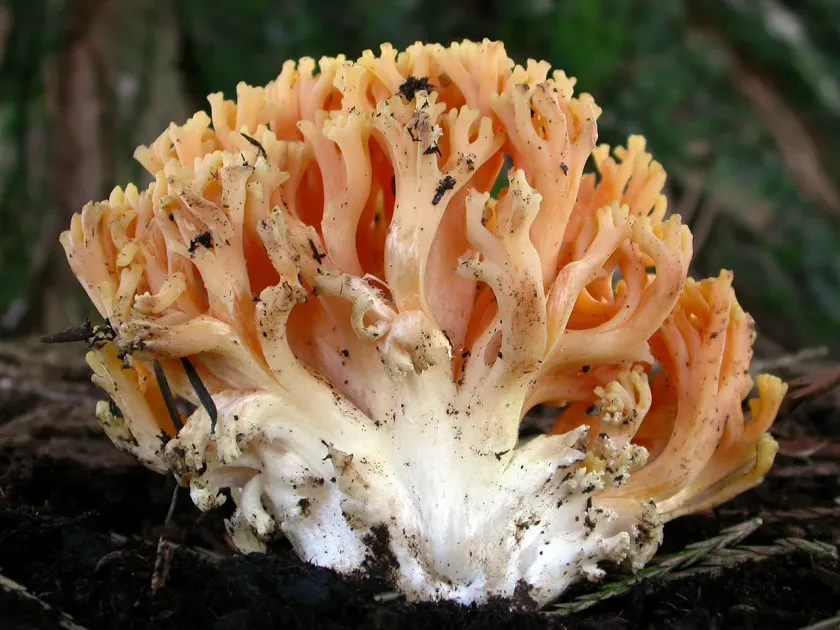
Description
Symptoms
The primary sign of its presence is the emergence of dense, coral-shaped fruiting bodies protruding from the forest floor or decaying wood layers during late summer and autumn.
These fruiting bodies can grow quite large, often reaching heights of 20 cm. The branching structure is firm and fleshy, with a distinct color transition from pinkish tips to yellowish-ochre stems.
In areas where the fungus is active, the soil may show an increased density of white or cream-colored mycelial cords. The local soil often develops a distinct, slightly pungent mushroom odor.
Because it is a saprotroph, you will observe these signs specifically around decaying plant material, rather than on living stems or leaves of agricultural crops.
Massive colonies may develop in ideal conditions, covering several square meters of ground, effectively signaling high levels of organic matter decomposition in that specific patch.
Pathogen
Ramaria formosa, commonly known as the handsome club or coral fungus, belongs to the Gomphaceae family. It is a basidiomycete fungus and operates primarily as a saprotroph within forest ecosystems rather than a plant pathogen.
The organism is characterized by its large, coral-like fruiting bodies that feature intricate branching. These structures typically display vibrant pink or salmon colors in their youth, fading to pale yellow as they mature.
Biologically, this fungus plays a significant role in decomposing organic matter. It relies on the breakdown of leaf litter and woody debris to obtain the nutrients necessary for its life cycle.
While not a parasite, its mycelial network can be extensive. This fungus does not invade living plant tissues but interacts with the soil structure, potentially affecting the immediate micro-environment of roots.
It is important to note that Ramaria formosa is considered poisonous. It contains toxins that cause severe gastrointestinal distress if consumed, which necessitates its management in areas accessible to humans and livestock.
Conditions for development
Ramaria formosa thrives in environments with high humidity and significant amounts of organic litter. It is most commonly found in mixed and coniferous woodland areas.
Optimal development occurs in temperate climates where temperatures remain between 15°C and 22°C. Consistent moisture availability is essential for the fruiting bodies to emerge.
Spore dispersal is primarily mediated by wind and water currents. The spores are resilient and can germinate efficiently once they encounter a substrate rich in organic nutrients.
Acidic soil environments tend to favor the growth of this species. Poor drainage and lack of sunlight, which keep the soil surface damp, are the most conducive conditions for colonization.
Human activities, such as leaving organic waste in piles or failing to clear debris, often create artificial conditions that allow this fungus to proliferate unexpectedly.
Why it matters
This fungus does not pose a direct threat to commercial crops. It is not an infectious pathogen and does not cause diseases like rusts, blights, or wilts in cultivated plants.
The main concern regarding this fungus is its potential to compete with beneficial soil mycorrhiza or decompose essential organic matter too rapidly, which may affect nutrient availability for specific plants.
In nursery settings, extensive mycelial growth can physically disrupt soil structure and potentially harbor other soil-borne organisms, making site management more complex.
The toxicity of Ramaria formosa presents a significant health risk to animals and humans if ingested. Consequently, its presence on agricultural lands used for pasture is undesirable.
While not a disease-causing agent, its presence indicates a specific soil ecological state that may need adjustment depending on the intended use of the land.
Protection
Effective management begins with good site hygiene. Regularly removing dead wood, branches, and excess leaf litter significantly reduces the fungal food source.
Modifying soil pH through liming can create an environment less hospitable to this species, as it prefers slightly acidic conditions for optimal growth.
Ensuring adequate drainage in the soil is crucial. By preventing water stagnation, you reduce the humidity levels that the fungus requires for active growth.
In ornamental gardens or specific controlled areas, mechanical removal of fruiting bodies before they release spores is a simple but effective method to limit future colonization.
- Clear organic debris to eliminate growth substrates.
- Improve soil drainage to reduce humidity.
- Use liming to adjust soil acidity levels.
Discussion
No discussions yet — be the first.