
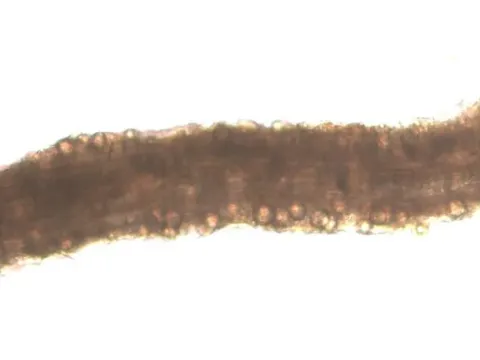
Root pythium
Pythium acanthophoron
The causative agent of this disease is the oomycete Pythium acanthophoron, which belongs to the group of soil-borne pathogens. Unlike true fungi, this microorganism produces zoospores capable of active movement in water.
What the section contains
Root pythium
The pathogen survives in soil or substrate as oospores, which possess high survivability in adverse conditions. When favorable conditions arise, they germinate and infect the root system of susceptible plants.
Pythium acanthophoron is characterized by a wide host range, including many vegetable, ornamental, and field crops. It is particularly dangerous for seedlings in greenhouses and plants grown via hydroponics.
The infection spreads rapidly upon contact of healthy tissues with infested soil, water, or non-sterile gardening equipment. High reproduction rates make this pathogen extremely aggressive in protected ground.
A biological feature of the species is its ability to parasitize both young roots and seeds, causing premature death before emergence.
The first visible sign of infestation is general plant wilting, often appearing as sudden drooping during daytime. Leaves lose turgor and acquire a yellowish hue.
Inspection of the root system reveals darkening and softening of root tissues. Affected areas become slimy and easily separate from the central cylinder, which often remains in the soil.
A characteristic symptom is the death of root hairs, leading to impaired nutrient and water uptake. At later stages, rot spreads to the stem base, forming dark, sunken lesions.
In high humidity, a barely noticeable whitish fluffy mycelium may appear around affected roots or on the soil surface. However, symptoms often remain hidden until the plant reaches a critical state.
Seedlings often suffer from "damping-off," where the root zone thins, causing the plant to collapse. The root system appears stunted, brown, and almost completely dead.
The key factor for Pythium acanthophoron development is excessive moisture in the soil or substrate. The pathogen requires free water to allow zoospores to travel to plant roots.
The disease progresses most actively at moderate temperatures, yet Pythium acanthophoron can adapt to a wide temperature range, making it a threat year-round.
Poor soil aeration, caused by compaction or overwatering, creates ideal conditions for anaerobic processes that weaken plant immunity and promote the growth of oomycetes.
High salinity in nutrient solutions (in hydroponics) and sudden temperature fluctuations also provoke disease outbreaks by stressing the root system.
Infection is facilitated by the use of contaminated seeds, low-quality substrate, or the recycling of drainage water without proper disinfection and filtration.
Pythium causes significant economic damage by leading to massive seedling and transplant mortality. This forces farms to incur additional costs for reseeding and purchasing new inputs.
Mature plants affected by Pythium exhibit significantly reduced yields. Lack of nutrients due to root destruction leads to poor fruit development and premature abscission.
Infested soil patches remain problematic for a long time, as oospores can remain viable for several years even in the absence of host plants.
The disease is difficult to treat once visible symptoms appear, so most losses are associated with the total loss of commercial value of the infected product batches.
Furthermore, Pythium often opens the gate for secondary bacterial infections, which accelerate the rotting process and death of the plant, making recovery impossible.
Adhering to proper irrigation regimes is of paramount importance. It is crucial to avoid moisture stagnation and ensure good drainage in greenhouses and pots.
Applying biological preparations based on Trichoderma and Bacillus subtilis helps suppress pathogen development in the rhizosphere during early stages.
Strict phytosanitary rules must be followed: disinfect tools, sterilize substrates, and monitor irrigation water quality using filtration or UV treatment.
As a preventive measure, it is recommended to use targeted fungicides permitted against oomycetes (such as those containing metalaxyl, fosetyl-aluminum, and other active ingredients).
Crop rotation and the use of healthy, treated seeds significantly reduce the risk of primary soil infestation by the Pythium pathogen.