
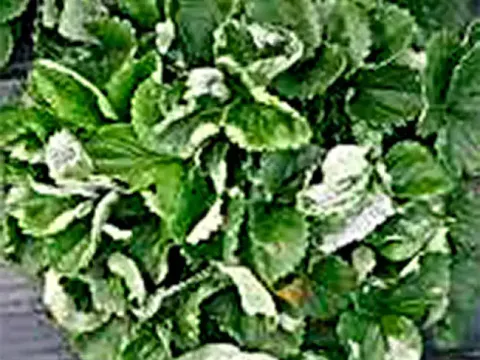
Strawberry powdery mildew
Podosphaera aphanis
The disease is caused by the obligate parasite fungus Podosphaera aphanis. It is a highly specialized pathogen that colonizes the surface of strawberry tissues.
What the section contains
Strawberry powdery mildew
The fungus produces white mycelium on the surface of leaves, flowers, and fruits, anchoring itself with haustoria that extract nutrients directly from the plant cells.
It overwinters primarily as mycelium on green leaves that remain protected by snow or in the form of cleistothecia within crop debris.
During the growing season, the fungus produces vast amounts of conidia, which are easily disseminated by wind and water splashes to nearby healthy plants.
The pathogen is host-specific to the Rosaceae family, often affecting raspberries and other related shrubs, which makes crop diversity a key factor in managing outbreaks.
Early symptoms appear as a white, powdery growth on the undersides of leaves, which subsequently causes the leaves to curl upward and reveal the infested surface.
A distinct symptom in many varieties is the development of a purple or reddish-bronze discoloration on the leaf margins, which is a strong visual indicator of infection.
Flowers become covered in a white powdery coating, often failing to open properly or suffering from significant developmental deformities.
Developing fruit infected by the fungus will cease expanding, become firm and distorted, and may exhibit a noticeable musty odor and taste when harvested.
In severe infections, the entire canopy of the strawberry plant can appear dusty and stunted, leading to reduced overall vigor and diminished yield potential.
The pathogen thrives in warm, humid environments, typically with temperatures between 18°C and 25°C, though high humidity is more critical than liquid water for spore germination.
Poor air circulation within dense plantings or enclosed greenhouse structures is the primary driver for rapid secondary infection and disease spread.
Excessive application of nitrogen-based fertilizers results in succulent, fast-growing tissue that is significantly more susceptible to penetration by fungal hyphae.
High relative humidity and stable, mild temperatures allow the fungus to complete its life cycle in a very short period, often leading to rapid outbreaks.
Neglecting to remove old, infected foliage from previous seasons provides the initial inoculum that triggers early-season epidemics in new strawberry beds.
The primary economic harm comes from the direct loss of harvestable, marketable berries due to distortion and surface fungal growth.
Infected fruits are considered unmarketable due to their unsightly appearance, bitter flavor, and poor shelf life, which is a major concern for commercial growers.
Plants severely affected by powdery mildew experience reduced photosynthetic efficiency, which hinders the development of daughter plants and future fruit buds.
The cumulative stress on the plant makes it more susceptible to environmental stressors and secondary colonization by opportunistic pathogens.
In severe cases, if left unmanaged, the disease can lead to total crop failure within a single season, especially in highly susceptible strawberry varieties.
Integrated Pest Management (IPM) is essential for controlling strawberry powdery mildew, combining physical, cultural, and chemical tactics.
- Select disease-resistant cultivars when establishing new strawberry plantations.
- Ensure optimal plant spacing to promote airflow and reduce ambient humidity.
- Apply balanced fertilization programs, avoiding excessive nitrogen that promotes overly soft growth.
- Use drip irrigation systems to keep the foliage dry and prevent the spread of fungal spores via splashing.
- Deploy biological control agents such as beneficial bacteria or oils when conditions are favorable for disease.
Fungicide applications, such as sulfur-based products or triazoles, should be timed to coincide with the first sign of symptoms or during periods of high disease pressure.
Regular sanitation, including the removal of dead or infected leaves, is crucial for reducing the overwintering inoculum potential for the next season.
Rotation of chemical modes of action is mandatory to prevent the fungal population from developing resistance to commonly used fungicides.