
Physcia
Physcia
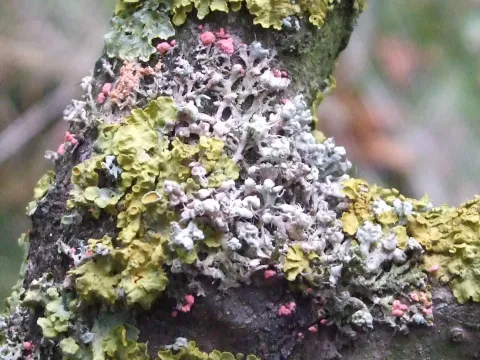
Physcia is a genus of foliose lichens characterized by small, rosette-shaped thalli that attach firmly to the bark of trees and shrubs.
What the section contains
Physcia
These lichens often appear in shades of gray, white, or brownish-blue, and their surface can look somewhat leathery or crust-like depending on the moisture level.
When the lichen grows, it forms patches that can eventually cover large areas of the trunk and branches, making the surface of the bark appear rough and aged.
Careful inspection reveals tiny, granular structures called soredia on the edges of the lobes, which are specialized parts for vegetative reproduction.
The presence of these lichens usually indicates an environment with high humidity and suggests that the tree may be growing slowly or lacks vigor.
Physcia is not a parasitic pathogen; it is a composite organism formed by a symbiotic relationship between a fungus and a photosynthetic algae or cyanobacteria.
It lives as an epiphyte, meaning it uses the tree solely as a physical substrate for anchoring without extracting nutrients or water from the tree itself.
Because it does not actively feed on the tree's internal fluids, it does not cause disease in the traditional sense, though it reflects the tree's overall condition.
The fungus provides the structure and protection, while the algal partner handles energy production through photosynthesis, allowing the lichen to colonize various surfaces.
Dissemination occurs through small pieces of the lichen's thallus or spores, which are efficiently spread by wind, rain, and insects to new locations.
Physcia thrives in environments with relatively clean air and high atmospheric humidity, frequently settling on trees that provide stable and damp surfaces.
Old trees with slow-growing bark are the primary targets, as the bark remains stationary for long periods, providing a perfect platform for attachment.
Canopies that are too dense and lack proper airflow or sunlight create microclimates that encourage the rapid spread and growth of lichen colonies.
Poor tree health caused by insufficient fertilization, lack of water, or root issues can lead to thinner, less dynamic bark, making the tree more susceptible to colonizers.
Gardens situated in areas with frequent fog or persistent moisture levels often see a significant increase in Physcia population compared to drier regions.
While not a direct parasite, Physcia can provide shelter for sap-sucking pests such as scale insects and mites, which hide beneath the lichen layers.
Heavy coverage of lichen on bark can potentially obstruct natural gas exchange, slowing down the vital biological processes of the tree's surface tissues.
The damp environment trapped beneath a thick layer of lichen can promote the development of secondary fungal rot or other bark-degrading microorganisms.
A massive infestation often serves as a visual indicator of a tree in decline, suggesting that the plant's natural defenses are significantly weakened.
If left unmanaged, the cumulative effects of shading, pest harbor, and moisture entrapment can contribute to the gradual loss of productivity in a fruit orchard.
Mechanical removal remains the most effective immediate remedy; scraping the bark with a stiff brush or wooden scraper during damp weather facilitates removal.
After manual removal, applying a protective wash or a lime-based whitewash helps to disinfect the bark and deter new lichen spores from settling.
Proper pruning is essential for long-term control, as it opens the canopy to sunlight and improves air circulation, creating a less hospitable environment for lichens.
Applying copper-based fungicides during the tree's dormant season can significantly reduce lichen growth and provide a clean start for the growing period.
Prioritizing tree vigor through balanced fertilization and correct watering practices is the best preventive measure to ensure healthy, active bark growth.