
Physisporinus
Physisporinus
Physisporinus is a genus of fungi within the order Polyporales, known primarily for causing white rot in woody plants and structural timber.
What the section contains
Physisporinus
The species Physisporinus vitreus is a widespread pathogen capable of degrading lignocellulose components, leading to significant structural damage within the tree.
The fungus develops as a mycelial network that can bridge distances through the soil, moving from decaying organic matter to the root systems of healthy trees.
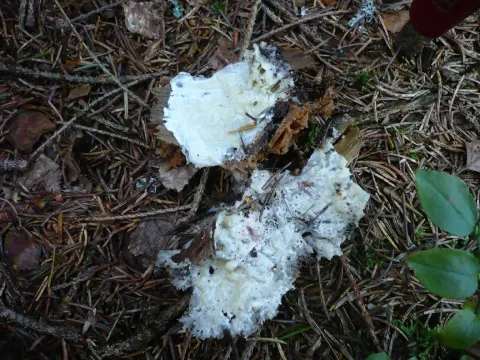
It typically forms resupinate or effused-reflexed basidiocarps, which appear as white or creamy, waxy, or skin-like growths on decaying wood surfaces.
As a pathogen, it is highly resilient, surviving long periods as a saprotroph before attacking weakened or stressed hosts in its environment.
Initial symptoms often include a gradual thinning of the crown, yellowing of foliage, and reduced annual shoot growth, indicating impaired nutrient uptake.
Visible fruiting bodies of the fungus may appear at the base of the trunk or on exposed roots, characterized by their waxy texture and persistent attachment to the bark.
Exposing the roots or the root collar often reveals advanced decay, with the wood appearing bleached and brittle, accompanied by thin white mycelial threads.
Increased susceptibility to windthrow is a critical sign, as the fungus primarily targets the structural roots, causing the tree to lose its anchorage in the soil.
Dieback starting from the top of the crown suggests that the root system is no longer able to support the water demands of the entire canopy.
High soil moisture and lack of proper drainage are primary factors that create favorable conditions for spore germination and mycelial spread.
The fungus thrives in moderate temperature ranges between 15°C and 25°C, which are typical during the active growing season of most woody species.
Mechanical injuries to the root collar or major roots, often caused by maintenance equipment or pests, provide an entry point for the fungal infection.
Dense plantings with poor air circulation retain humidity and facilitate the buildup of fungal spores, increasing the risk of transmission between trees.
Stressed trees, particularly those suffering from drought or nutrient deficiencies, show reduced defensive capabilities and are more prone to successful infection.
The core danger posed by Physisporinus is the silent destruction of the root system, which often goes unnoticed until the tree loses structural stability.
It causes significant economic losses in forestry by degrading wood quality and killing trees, which necessitates expensive removal and disposal operations.
In urban landscapes, infected trees become a safety hazard, as they are likely to collapse unexpectedly during extreme weather events.
The infection can spread to adjacent trees through root contacts, leading to the formation of localized dead zones or "gaps" within a plantation or forest stand.
Once established in a tree, there is no effective curative measure to revert the decay, leaving complete removal as the only practical long-term management option.
Preventative measures are essential, starting with the immediate removal of infected stumps and root debris, which act as primary inoculum sources.
Maintaining tree vigor through proper fertilization and watering helps trees resist colonization, even if spores are present in the environment.
- Regular site inspections to detect early signs of fungal fruiting bodies.
- Sanitary pruning and removal of heavily infected specimens.
- Sterilization of tools used near infected areas to prevent cross-contamination.
- Improving soil aeration to mitigate moisture stagnation and stress.
Strategic management involves monitoring root health and avoiding any mechanical damage during cultivation activities that could lead to new infections.
In high-value areas, replacing susceptible tree species with more resistant varieties is recommended to prevent recurrent outbreaks of root decay.