
Physconia
Physconia
Description
Symptoms
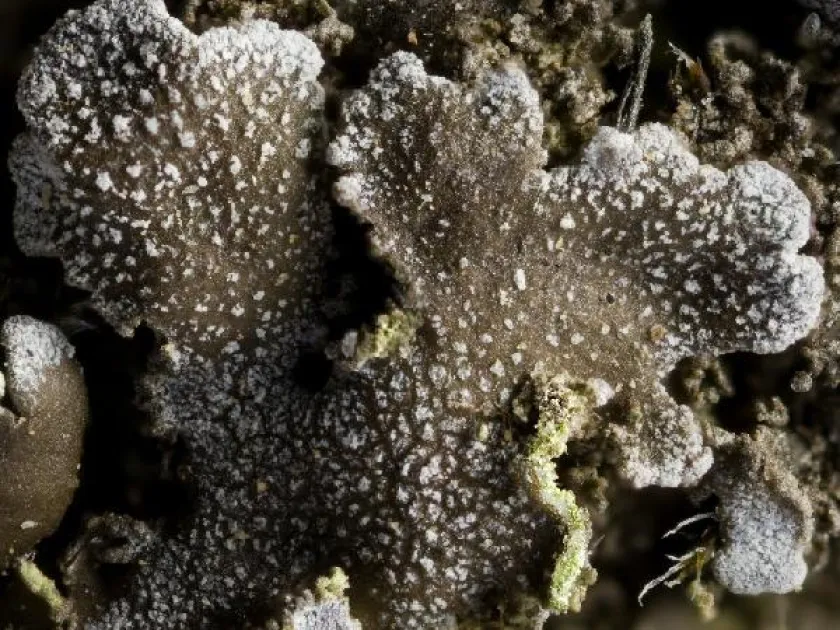
Physconia is identified by its rosette-like or irregular leaf-shaped thalli that are closely attached to the bark surface.
The upper surface often exhibits a grayish to brownish color, sometimes coated with a fine white powder known as pruina.
The lobes of the thallus are typically branched and may vary in texture depending on the humidity levels and the specific species.
A diagnostic feature is that the margins of the lobes may curl upwards under dry conditions, revealing the different color of the underside.
When examined closely, they appear dry and crusty, easily peeling off the bark without damaging the living cambium layer beneath.
Pathogen
Physconia is not a plant disease but a genus of foliose (leafy) lichens that grow on tree bark and rocks.
It is a symbiotic organism comprising a fungus and a photosynthetic partner (algae or cyanobacteria) living together in a mutually beneficial relationship.
In agriculture, Physconia is considered an epiphyte, meaning it uses the tree solely as a substrate for physical support without drawing nutrients from the host plant.
Unlike parasitic fungi that cause plant diseases, Physconia does not invade living plant tissue or cause decay.
These organisms play a vital role in local biodiversity and are often used as biological indicators of air quality in the surrounding environment.
Conditions for development
Physconia thrives in environments with high ambient humidity and moderate light exposure, commonly found in orchards and wooded areas.
They prefer surfaces with a relatively stable pH, such as the bark of many deciduous trees, including poplar, willow, and fruit trees.
The colonization process is exceptionally slow, often requiring several years for significant patches to become visible on a tree trunk.
Trees with rough or fissured bark provide ideal anchor points for the spores and fragments of these lichens to take hold.
High levels of air pollution often inhibit the growth of Physconia, meaning their presence suggests a relatively clean and stable local climate.
Why it matters
Physconia does not cause direct harm or diseases to the host tree, as it lives entirely on the surface of the bark.
The only indirect concern is that heavy colonization might provide habitat for certain insect pests that hide under the lichen lobes.
In very rare cases, extremely dense coverage might slightly affect the tree's gas exchange, but this usually happens on trees that are already declining.
The appearance of lichen on a trunk is frequently a symptom of a tree that is growing slowly or is aging, rather than the cause of its poor health.
Most experts consider the presence of these lichens as a natural part of an ecosystem rather than a threat to the horticultural production.
Protection
Because Physconia is not a pathogen, specific chemical control with fungicides is unnecessary and not recommended.
If removal is desired for aesthetic reasons, mechanical cleaning with a soft-bristled brush or a plastic scraper is the most effective approach.
Preventative whitewashing of tree trunks using lime can alter the surface environment, making it less conducive for lichen attachment.
Proper crown pruning and thinning help increase airflow and light penetration, which naturally discourages the growth of epiphyte populations.
Focusing on the general vigor of the tree, including proper fertilization and irrigation, is the best strategy to maintain tree health.
Discussion
No discussions yet — be the first.