
Physalospora
Physalospora
The disease is caused by fungi belonging to the Physalospora genus, which are members of the Ascomycota phylum. Physalospora malorum is the most common species affecting fruit trees, frequently identified as the causative agent of black rot.
What the section contains
Physalospora
The pathogen survives the winter in the mycelial form within the bark, wood, and mummified fruits. It acts as a facultative parasite, capable of surviving on decaying plant matter until conditions favor aggressive infection.
Reproduction occurs through the production of conidia and ascospores. These spores are spread by water splashes, wind, and insects, which transport them to fresh wounds on tree branches and fruits.
The fungus is highly resilient and can colonize host tissues rapidly once it gains entry through cracks, pruning cuts, or damage caused by environmental factors like frost or sunburn.
Its life cycle involves the formation of pycnidia—small, black, flask-shaped structures—where new spores develop, ensuring the cycle of infection continues throughout the growing season.
The primary symptom on trunks and branches is the appearance of dark, sunken lesions. As the infection progresses, the bark turns black, cracks, and may eventually peel off, exposing the wood.
Infected fruits exhibit circular brown or black spots that expand rapidly. The flesh of the fruit softens, turns dark, and may develop a specific smell associated with decay.
Small, black, pimple-like structures (pycnidia) often appear on the surface of the infected bark and rotting fruits. This is a definitive diagnostic feature of the disease.
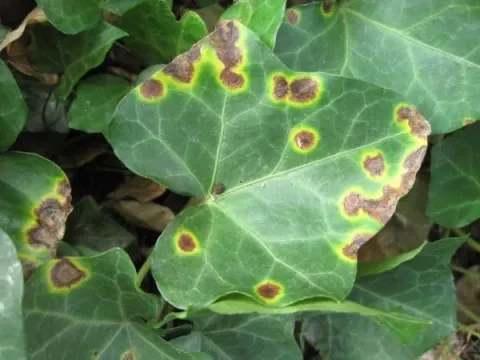
Leaves may show irregular brown spots with purple margins. Severe infections can lead to premature leaf drop, which significantly weakens the overall health of the tree.
- Dark, sunken lesions on bark.
- Cracking and peeling of the infected bark.
- Appearance of black pycnidia on dead tissue.
- Soft, rotting fruit with distinct decay patterns.
- Dieback of twigs and branches.
The development of Physalospora is highly favored by warm, humid weather. Prolonged rain periods are critical for the mass dispersal and germination of fungal spores.
Trees that have suffered from winter injury, hail damage, or sunburn provide easy entry points for the fungus. Mechanical damage to the tree's surface is often the primary starting point for the disease.
Dense, unpruned tree canopies create high-humidity microclimates where air circulation is restricted. This creates an ideal environment for the pathogen to thrive and spread.
Weakened trees, due to improper fertilization or pest infestation, are more susceptible to invasion. Nutritional stress lowers the tree's natural defense mechanisms against fungal penetration.
Orchards that do not practice proper sanitation—leaving infected prunings, fallen leaves, and rotten fruit on the ground—experience higher infection pressure each year.
The pathogen causes significant economic losses by reducing fruit yield and quality. Infected fruit cannot be stored or sold, leading to direct financial impact on the grower.
Cankers caused by the fungus can girdle branches or even the main trunk. This causes the death of the distal parts of the tree, potentially killing the entire plant if left untreated.
The disease reduces the productive lifespan of orchards. Trees suffering from repeated infections become less vigorous and more prone to other environmental stressors.
The loss of foliage due to the pathogen impairs the tree's ability to photosynthesize, which leads to starvation and reduced cold tolerance during the winter months.
Managing the disease requires significant investment in fungicides, labor for sanitation, and specialized equipment, increasing the overall cost of orchard maintenance.
Sanitation is the most important control measure. All infected branches must be pruned and destroyed (burned) away from the orchard to remove the primary source of inoculum.
Regular fungicide spray programs are essential, especially during the early spring and after flowering, to protect healthy tissues from spore colonization.
Treating wounds on the tree with protective paints or grafting wax helps prevent the fungus from entering through exposed wood after pruning or accidental damage.
Orchard hygiene involves the removal of all mummified fruits and debris from the orchard floor, as these serve as reservoirs for the fungus to overwinter.
Maintaining optimal plant vigor through balanced irrigation and proper fertilization helps the tree develop thicker bark and better natural defenses against pathogens.