
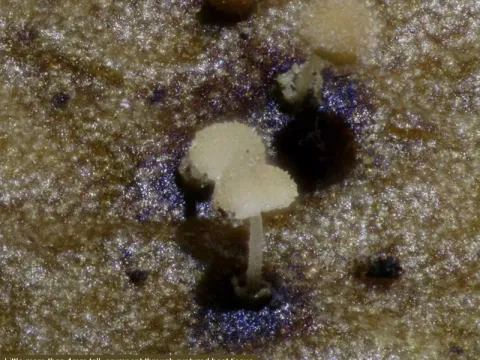
Physalacria
Physalacria
The disease is caused by fungi of the genus Physalacria, which are members of the Basidiomycota phylum. These fungi can act as saprotrophs on decaying organic matter or as facultative parasites on living plant tissues.
What the section contains
Physalacria
The fungus produces small, bladder-like or club-shaped fruiting bodies that release spores. These reproductive structures are characteristic of the genus and allow for rapid dissemination across the field.
The mycelium penetrates the epidermal layers of the host, feeding on cellular contents and triggering tissue necrosis. This colonization process disrupts the physiological functions of the affected plant.
These fungi are highly resilient and can survive for extended periods in soil or on crop debris. Their biological cycle is finely tuned to the availability of moisture, which is essential for spore germination.
Research indicates that Physalacria often thrives in complex ecological interactions, sometimes acting as a secondary colonizer following primary stress or damage to the plant host.
The primary symptom of infection is the emergence of small, light-colored, spherical or club-shaped growths on leaves and stems. These structures appear as whitish or cream-colored patches.
Affected tissues often exhibit water-soaked lesions, which can turn yellowish or brown as the disease progresses. In advanced stages, the infected plant parts may wilt and die prematurely.
Visual identification focuses on the presence of the specific fruiting bodies of the fungus, which are clearly visible to the naked eye under favorable conditions. These growths distinguish the disease from common mildews.
Plants affected by the pathogen show signs of stunted development and metabolic stress. Necrotic spots may develop at the points of infection, potentially leading to stem girdling in severe cases.
Laboratory diagnosis usually confirms the presence of characteristic basidiospores. Growers should inspect the undersides of leaves and the stem base, where moisture accumulation is highest.
High relative humidity, typically exceeding 85 percent, is the most critical environmental factor for the development of Physalacria. Sustained wetness on plant surfaces facilitates rapid spore germination.
Temperatures ranging from 18 to 24 degrees Celsius create an optimal environment for fungal activity. Cool, damp nights followed by warm days are particularly conducive to the spread of the disease.
Poor aeration in dense plantings or greenhouse environments significantly increases the risk of infection. Stagnant air allows moisture to persist, providing a perfect incubation period for the fungus.
Over-fertilization with nitrogen can lead to lush, succulent growth that is more susceptible to fungal entry. Maintaining a balanced nutrient program helps plants build stronger physical defenses.
Improper debris management remains the primary source of primary inoculum. Fungal spores can persist in the soil and on leftover stalks from the previous season, ensuring the disease returns annually.
The primary damage caused by this pathogen is a reduction in photosynthetic efficiency, leading to diminished yields. Weakened plants may struggle to support fruit development, causing premature abscission.
Infection significantly impacts the aesthetic quality and market value of horticultural products. Infected stems may become brittle, increasing the risk of breakage due to environmental stress.
Severe infestations can lead to substantial losses in greenhouse-grown crops where humidity levels are difficult to control. The disease reduces the overall longevity of plants, particularly perennials.
The presence of Physalacria often encourages secondary opportunistic infections by bacteria or other fungi, complicating the diagnosis and treatment. This makes the disease a significant hidden factor in crop failure.
The depletion of plant energy reserves during the struggle against the fungus leaves the crop vulnerable to abiotic stresses like heat or drought. This ripple effect undermines the entire production system.
Effective management begins with improving airflow within the canopy through proper spacing and pruning. Reducing the humidity around the foliage is a key preventive strategy.
Sanitation is essential; all infected plant material should be removed and destroyed to prevent the buildup of fungal spores in the soil. Burning or deep burial is recommended for infested crop residues.
When necessary, apply fungicides according to the local extension guidelines for fungal control. Copper-based or systemic fungicides can be used, ensuring complete coverage of the plant surfaces.
Switching to drip irrigation can prevent the saturation of plant foliage, thereby limiting the moisture required for fungal spores to colonize. Watering should be done early in the day to allow surfaces to dry.
Incorporate crop rotation with non-host species to interrupt the life cycle of the pathogen. Strengthening plant health with balanced phosphorus and potassium fertilizers enhances natural resistance to infections.