
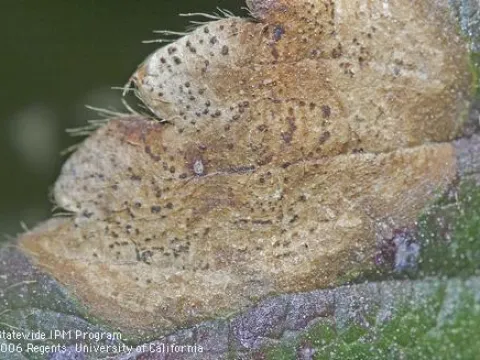
Strawberry gnomoniopsis
Gnomoniopsis comari
The causative agent of the disease is the ascomycete fungus Gnomoniopsis comari, a specialized pathogen that primarily targets plants of the Rosaceae family, especially strawberries.
What the section contains
Strawberry gnomoniopsis
The life cycle of the pathogen involves the formation of fruiting bodies called perithecia, which develop on necrotic plant debris and overwinter in the soil or on old leaves.
During the spring, when temperatures rise and humidity remains high, the fungus releases ascospores that are dispersed by wind and rain splashes onto healthy strawberry leaves.
The fungus is capable of surviving for long periods in the soil, utilizing plant residues as a reservoir for infection until the next growing season begins.
After penetration, the mycelium colonizes the intercellular spaces of the plant tissue, causing progressive degradation and the typical symptoms associated with this fungal infection.
Initial signs appear as small, circular, reddish-brown spots on the leaf surface, which gradually expand as the infection progresses during the growing season.
In the center of these spots, the tissue becomes necrotic, dry, and brittle, often falling out to create a perforated appearance known as shot-hole symptoms.
The fungus also affects petioles and flower stalks, manifesting as elongated brown lesions that cause stems to wilt, bend, or die prematurely.
Under high humidity, tiny black dots representing the fungal fruiting bodies appear on the surface of the lesions, serving as a diagnostic indicator of the pathogen.
- Reddish-brown spotting on leaves.
- Necrotic tissue dropping out of leaves.
- Wilting and collapse of flower stalks.
- Appearance of black pycnidia on infected tissues.
The development of the disease is strictly linked to environmental conditions, specifically high humidity, frequent rainfall, and moderate temperatures during the spring.
Dense planting patterns that limit airflow create a favorable microclimate, allowing fungal spores to germinate and infect healthy foliage rapidly.
Insufficient solar radiation and poor site drainage weaken the plant's natural defenses, making it more susceptible to successful colonization by Gnomoniopsis comari.
Temperature fluctuations after the winter period act as a trigger for the fungus to resume activity and release spores that attack developing spring leaves.
Mechanical damage to the plants or improper cultural practices, such as overhead irrigation, promote the spread of spores and the development of the epidemic within the field.
The economic impact of gnomoniopsis is primarily due to the reduction of photosynthetic leaf area, which hinders the plant's ability to produce sugars for fruit development.
Damage to flower stalks and reproductive organs directly translates to lower fruit yields, as infected flowers often fail to set fruit or desiccate before maturity.
Chronic infection weakens the overall vigor of the strawberry crown, leading to reduced winter hardiness and plant mortality during the colder months.
The market value of the berries is severely compromised by the infection, as the yield becomes smaller, malformed, and less appealing to consumers.
In nursery production, the presence of the pathogen is catastrophic, as it restricts the distribution of planting stock and causes significant financial loss to growers.
The foundation of effective control is rigorous sanitation, which includes the removal and destruction of all plant debris after the harvest to eliminate overwintering sites.
Implementing a crop rotation strategy is essential to avoid soil-borne inoculum, with a minimum break of three to four years before replanting strawberries in the same area.
Using drip irrigation instead of overhead systems prevents the leaves from remaining wet for extended periods, effectively breaking the infection cycle of the fungus.
Chemical control involving copper-based fungicides or systemic compounds (such as triazoles) should be applied preventatively during the periods of rapid growth and high humidity.
Maintaining adequate plant spacing to ensure proper airflow and controlling weeds around the field helps to mitigate the microclimatic conditions favorable to the pathogen.