
Exidiopsis
Exidiopsis
Exidiopsis is a genus of fungi belonging to the order Auriculariales, often recognized as wood-decaying organisms that colonize dead or moribund plant tissues.
What the section contains
Exidiopsis
While primarily acting as saprotrophs, these fungi can adopt opportunistic parasitic behavior on trees with impaired defense mechanisms, such as open wounds or cracks.
The fungus produces thin, often gelatinous fruit bodies that adapt to the surface of the bark, allowing it to survive various environmental conditions.
Dispersal is achieved through basidiospores that are spread effectively via wind and water splashing, facilitating the colonization of new host tissues.
Exidiopsis species thrive by breaking down organic matter, making them common inhabitants of woodland ecosystems and neglected orchards.
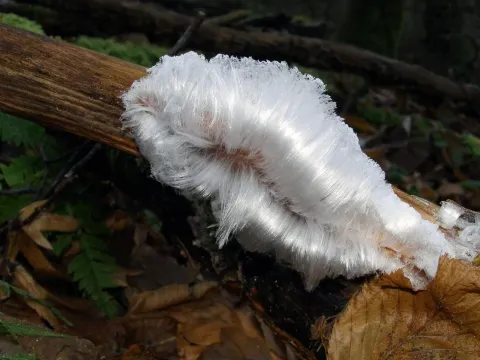
The most visible symptom is the presence of thin, translucent or white films on the bark, which appear wet or jelly-like during high-humidity periods.
Infected bark may show discoloration or a soft, spongy texture as the fungus begins to degrade the outer layers of the host plant.
In dry conditions, the fungal growth can shrink into barely detectable crusts, which complicates early diagnosis for growers and gardeners.
Prolonged infection often leads to the separation of bark from the underlying cambium layer, exposing the wood to further damage.
Small patches of whitish or pale grey mycelium may be spotted in crevices, indicating that the fungus has established itself on the tree surface.
High relative humidity and frequent rainfall are critical environmental triggers that promote the growth and activity of Exidiopsis fungi.
Moderate temperatures during the spring and autumn seasons provide an optimal window for the rapid spread of spores throughout the garden.
Trees that have suffered from physical damage, such as sunscald, frost cracks, or improper pruning, are significantly more susceptible to colonization.
Poor air circulation within the canopy, often resulting from a lack of thinning, creates microclimates with stagnant moisture that favor fungal establishment.
Accumulated leaf litter and organic debris near the base of the trees contribute to higher inoculum levels in the surrounding soil and environment.
The primary concern with Exidiopsis is that it compromises the bark's integrity, creating entry points for secondary, more aggressive wood-rotting pathogens.
Persistent infestation hampers the tree's physiological processes, including nutrient transport, which can lead to reduced vigor and stunted growth.
Over time, the structural stability of branches may be weakened, increasing the risk of mechanical failure during strong winds or heavy fruit loading.
In commercial orchards, the presence of these fungi negatively impacts the overall health and longevity of the trees, leading to lower yields.
Extensive infections can eventually cause branch dieback, necessitating the removal of affected parts and reducing the total canopy area.
Regular sanitary pruning is the cornerstone of control, ensuring the prompt removal and disposal of all diseased or dead wood from the garden.
Protecting pruning wounds with appropriate sealants or wound paints prevents spores from germinating on fresh wood surfaces.
Applying copper-based fungicides during the dormant season helps to reduce the fungal spore population on the bark and prevents new infections.
Good cultural practices, such as proper fertilization and irrigation, strengthen the tree's natural defense systems against opportunistic pathogens.
Maintaining clear airflow through the crown by selective pruning helps regulate moisture levels, making the environment less hospitable for fungal growth.