
Exobasidiosis
Exobasidiales
Exobasidiosis is caused by fungi of the order Exobasidiales, with the genus Exobasidium being the most common representative. These fungi are highly specialized parasites that primarily affect plants in the Ericaceae family, such as rhododendrons, azaleas, and blueberries.
What the section contains
Exobasidiosis
The pathogen is systemic, meaning the mycelium can colonize the inner tissues of the plant. It often remains latent within the buds and young stems, allowing the infection to persist throughout the plant's life cycle.
During the favorable conditions of the growing season, the fungus produces a layer of basidia on the plant surface. These basidia release spores that are easily spread by wind, rain, or physical contact, initiating new infections.
The fungus induces morphological changes in the host tissues through the secretion of phytohormones. This triggers abnormal cell division, leading to the formation of characteristic galls and structural deformities.
Because the fungus is often present as an endophyte, it can be spread unknowingly through contaminated nursery stock, making early detection and sourcing of healthy plants vital for management.
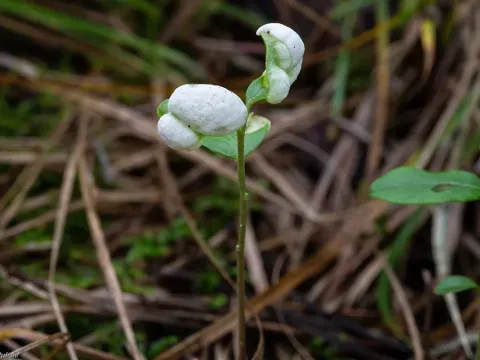
The most visible symptom of exobasidiosis is the development of fleshy, hypertrophic galls on leaves and succulent shoots. These structures are often lighter in color compared to healthy leaf tissue.
As the infection matures, these galls may turn pink or deep red. This pigmentation is a reaction of the plant tissue to the fungal metabolism and the localized alteration of physiological processes.
A white, powdery, waxy coating often appears on the underside of the leaves or the surface of the galls. This coating represents the active sporulation of the fungus and is a diagnostic marker for the disease.
Affected leaves eventually lose their integrity, turn brown, and drop prematurely. Severely infected shoots show signs of twisting and stunting, which severely impacts the overall vigor of the host plant.
In fruit-bearing crops like blueberries, the pathogen targets the flowers and developing berries, causing them to deform and wither, which significantly reduces the potential fruit harvest.
High relative humidity and frequent rainfall are the primary environmental drivers for exobasidiosis. Moisture is essential for spore germination and the initial penetration of the fungal hyphae into plant tissues.
Cooler temperatures, typically experienced during early spring, provide optimal conditions for the fungus to develop. This coincides with the emergence of new growth, which is the most susceptible stage for infection.
Poor air circulation and high plant density create a microclimate where moisture persists on foliage for extended periods. This constant dampness dramatically increases the likelihood of infection.
Poor site management, including inadequate drainage or excessive irrigation, exacerbates the disease pressure by keeping the environment humid and favorable for spore survival.
Overwintering of the pathogen occurs in infected buds and bark, creating a reservoir of inoculum. If plant debris is not properly disposed of, the disease cycle will continue year after year.
The primary harm caused by exobasidiosis is the severe loss of aesthetic value in ornamental plants like rhododendrons and azaleas. This leads to major losses in the nursery and landscaping sectors.
For agricultural producers of ericaceous crops, the disease results in direct yield loss. Deformed flowers and fruit reduce the total market volume and quality of the harvest.
The disease weakens the host plant over time. Repeated cycles of infection lead to a decline in plant health, making the plants more susceptible to secondary pests and winter damage.
Economic impact includes both the value of destroyed or rejected nursery stock and the recurring costs associated with fungicide applications to maintain plant health.
In cases of heavy infestation, the cumulative stress can lead to the death of branches or the entire plant, necessitating expensive replacement and removal operations.
The most effective strategy for managing exobasidiosis is prevention through the selection of certified, disease-free planting material from reliable nurseries.
Cultural practices are essential; this includes the immediate removal and destruction of any infected plant parts. Pruning must be done during dry weather to prevent spore spread.
Optimizing plant spacing and ensuring good airflow are critical in reducing the surface moisture that pathogens require to colonize the host.
Chemical control should be implemented preventively, especially during periods of wet, cool weather in early spring, using fungicides registered for this specific fungal group.
- Application of copper-based fungicides in the early spring.
- Use of systemic fungicides like azoxystrobin or mancozeb.
- Sanitation: collecting and incinerating fallen or infected leaves.
- Improving soil drainage to lower the humidity in the root zone.