
Exobasidium leaf gall
Exobasidium sydowianum
Description
Symptoms
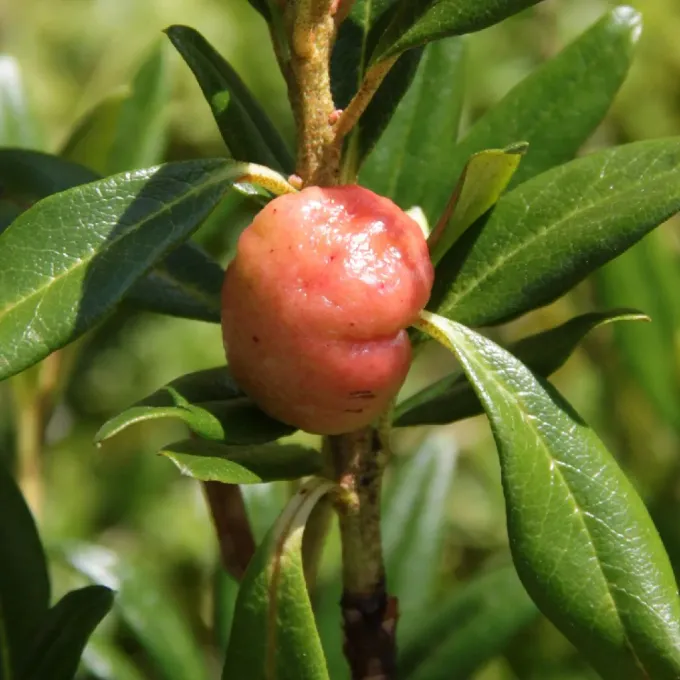
The most distinctive symptom is the development of swollen, fleshy leaf galls that can appear pale, yellow, or pinkish in color.
On the undersides of these galls, a fine, white, or greyish dusty coating develops, which is the actual fungal sporulation.
Affected leaves eventually become distorted, brittle, and lose their functional photosynthetic area, which impairs the plant's health.
Shoots and buds may also show signs of distortion or stunted growth if the infection is particularly aggressive.
Over time, these galls may dry out and turn brown or black, leading to premature leaf drop and potential tissue necrosis.
Pathogen
The disease is caused by the fungus Exobasidium sydowianum, a specialized parasite that targets members of the Ericaceae family.
This fungus acts by invading plant tissues and inducing abnormal cell growth, which leads to the formation of characteristic galls.
The life cycle of the pathogen is highly dependent on environmental moisture, as spores require free water to germinate and penetrate the host.
The fungus can survive as mycelium in the infected plant tissue or as spores on dead leaves, waiting for favorable conditions in the spring.
Dispersal primarily occurs through wind currents, rain splash, and human activity such as pruning with contaminated tools.
Conditions for development
Cool, moist weather combined with frequent spring rainfall creates the ideal environment for the proliferation of this fungus.
Poor air circulation within the shrub canopy prevents the foliage from drying quickly, facilitating the infection process.
Densely planted garden beds that maintain high humidity levels are significantly more susceptible to outbreaks of leaf gall.
Shaded locations where sunlight is limited contribute to persistent moisture on the leaves, extending the period during which spores can infect the host.
Gardening practices such as overhead watering during the evening exacerbate the problem by keeping leaves wet overnight.
Why it matters
The primary impact is a severe decline in the aesthetic value of the rhododendron, making it unsuitable for landscape displays.
Severe infestations weaken the plant, leading to a reduction in vigor and the potential for a complete lack of flowers in the following season.
Long-term infections make the shrub more vulnerable to winter damage and other opportunistic pests or diseases.
Without proper intervention, the disease can spread rapidly across a collection, potentially killing young or sensitive rhododendron specimens.
The loss of foliage directly impacts the plant's ability to store energy for growth, leading to overall decline and stress.
Protection
The most effective cultural control is the immediate manual removal and destruction of all galled leaves or shoots before spores are released.
Preventative fungicide sprays, particularly those containing copper or mancozeb, applied in early spring can help minimize the risk of infection.
Improve garden hygiene by removing leaf litter and thinning out overgrown shrubs to increase airflow and sunlight penetration.
- Prune and destroy infected plant parts promptly.
- Avoid overhead irrigation; use drip irrigation to keep foliage dry.
- Apply systemic fungicides early in the season if symptoms are prevalent.
Maintaining a balanced fertilization and watering schedule ensures the plant remains strong and less susceptible to fungal attacks.
Discussion
No discussions yet — be the first.