
Exobasidium
Exobasidiaceae
Exobasidium is a genus of fungi within the Exobasidiaceae family, known for acting as obligate plant parasites, particularly on Ericaceae family members.
What the section contains
Exobasidium
The fungus invades host tissues, establishing a mycelium within the intercellular spaces where it absorbs nutrients directly from the living plant cells.
A hallmark of the pathogen is its ability to induce hypertrophy and hyperplasia, causing the plant tissues to swell and develop abnormal shapes.
The sexual stage of the fungus manifests as a layer of basidia on the surface of infected tissues, which produces spores that facilitate rapid secondary spread.
Infection cycles are perpetuated by basidiospores that are dispersed via wind or water droplets, initiating new infections on healthy foliage and stems.
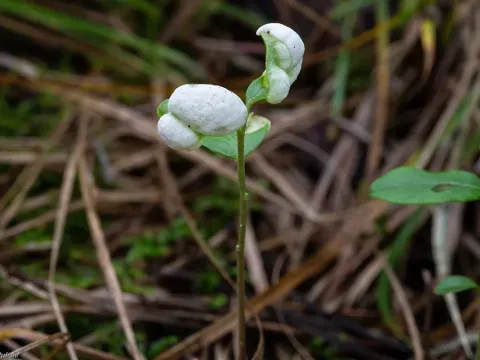
The most visible sign of Exobasidium infection is the development of galls, which are distorted, thickened, and fleshy outgrowths on leaves or shoots.
Infected areas often transition from green to pale yellow, pink, or bright red, reflecting the structural changes occurring within the plant cells.
A white, powdery substance, representing the fungal sporulation layer, appears on the underside of deformed leaves, confirming the presence of the pathogen.
Floral structures are frequently affected, leading to extreme deformation that prevents normal blooming and fruit development in sensitive species.
- Hypertrophied, fleshy leaf galls.
- Distorted and swollen stems.
- Powdery white fungal growth on leaves.
- Discoloration (red, yellow, or pale).
- Premature leaf drop and necrosis.
High humidity and prolonged leaf wetness are the primary environmental drivers that favor the germination and establishment of Exobasidium spores.
Cool, rainy weather, particularly during the early spring flushing period, creates the perfect conditions for the pathogen to thrive and spread.
Poor ventilation within dense shrub canopies prevents moisture from evaporating, extending the duration of leaf wetness and increasing infection risk.
Overcrowded plantings and low-lying areas with poor air circulation often experience more severe outbreaks compared to well-spaced, open garden sites.
Succulent, rapidly growing young shoots are the most susceptible tissue types for fungal entry, making the early growing season the most critical time for monitoring.
The damage caused by Exobasidium primarily concerns the severe reduction of plant aesthetic value, which is particularly detrimental to ornamental gardens.
Chronic infections weaken the plant by diverting nutrients into the gall formation process, resulting in reduced vigor and slowed overall growth rates.
Significant leaf drop caused by the disease limits the plant's photosynthetic capacity, potentially leading to increased susceptibility to winter damage.
In berry-producing plants, the infection destroys potential flowers and fruit, leading to substantial yield losses in agricultural or home garden settings.
Without intervention, repeated annual infections can lead to the systemic decline of the plant, potentially causing death in highly susceptible cultivars.
The most effective strategy involves cultural practices, such as pruning and removing infected galls before they release spores into the environment.
Improving air circulation through proper pruning techniques and providing adequate spacing between plants significantly mitigates the risk of fungal spread.
Preventive fungicide applications, specifically copper-based products, should be applied early in the spring before buds begin to swell.
For active infections, systemic fungicides may be necessary to manage the mycelial growth within the plant tissues during the growing season.
Maintaining optimal plant health through balanced nutrition and proper watering helps build natural resistance against fungal colonization and disease progression.