
Entoleuca
Entoleuca
The disease is caused by fungi of the genus Entoleuca, which belong to the Ascomycota phylum. These pathogens are primarily found on weakened or stressed tree species.
What the section contains
Entoleuca
The fungus develops by forming a hard, carbonaceous stroma underneath the bark, which eventually breaks through to release spores. This biological structure is typical for this fungal group.
Entoleuca typically acts as a wound parasite, meaning it requires a breach in the plant's natural defenses to establish itself. Mechanical injuries and environmental damage are common entry points.
The mycelium colonizes the cambium and phloem layers, disrupting the tree's vascular system. This prevents the normal flow of water and nutrients throughout the affected branch or trunk.
Reproduction occurs via spores that are dispersed by air currents or moisture, especially during rainy seasons. Once they land on a susceptible surface, they germinate and penetrate the host tissue.
The most visible symptom of Entoleuca infection is the discoloration and necrosis of the bark. The affected areas may appear sunken or cracked compared to healthy tissue.
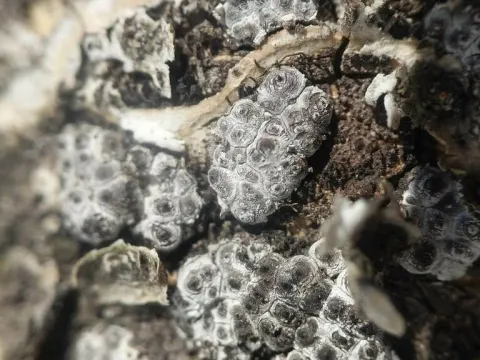
Upon closer inspection, the presence of black, pimple-like or crust-like structures (the stroma) can be found protruding through the bark surface. These are the fruiting bodies of the fungus.
Trees infected with Entoleuca often show crown dieback, where leaves turn yellow, wilt, and eventually drop off prematurely due to the disruption of water circulation.
As the disease progresses, the wood beneath the bark may show signs of decay, often turning dark or brittle. This structural degradation is a clear indication of a long-term infection.
- Darkened or necrotic bark patches.
- Visible black fruiting bodies on the trunk or branches.
- Yellowing and premature shedding of leaves.
- Branch dieback and crown thinning.
- Cracked bark showing underlying tissue decay.
Entoleuca development is highly dependent on humidity. High moisture levels in the air or prolonged wet periods significantly increase the rate of spore germination.
The fungus prefers temperatures within a moderate range. Seasonal shifts, particularly during spring and autumn, provide the perfect conditions for the pathogen to spread.
Tree health is a major factor in susceptibility. Trees that are suffering from drought, poor soil quality, or secondary insect infestations are much more likely to be successfully colonized.
Physical damage is the primary facilitator of the disease. Any opening in the bark, such as pruning cuts, frost cracks, or animal damage, creates a gateway for infection.
Poor ventilation and overcrowded planting sites contribute to the buildup of spores in the immediate environment, making infection more likely in dense parklands or forests.
The primary damage caused by Entoleuca is the steady decline and eventual death of the affected plant. By damaging the cambium, the fungus halts the plant's ability to grow.
Infected trees suffer from significant structural weakness, making them a safety risk in landscapes. Brittle wood increases the chance of limb breakage during storms.
The disease can cause serious economic loss in nurseries and forestry operations, as infected timber loses its market value and potential for future growth.
The pathogen is highly contagious to susceptible neighbors in the same population. If left unmanaged, a single infection can lead to the loss of a whole stand of trees.
Beyond the biological impact, Entoleuca creates a negative aesthetic effect on parks and private gardens, reducing the value of the landscape and increasing maintenance costs.
The most effective management strategy is prevention. Keeping trees vigorous through proper watering, mulching, and fertilization significantly reduces the risk of fungal infection.
Pruning is essential for removing infected limbs. It is critical to sanitize all pruning tools between trees to prevent the spread of fungal spores to healthy plants.
Protecting the bark from physical damage is vital. Using wound sealants on larger cuts and ensuring proper support for heavy branches can minimize the risk of pathogen entry.
Systemic fungicides may be used as a targeted treatment for early infections. Applications should focus on the affected areas during periods of active fungal growth.
Regular monitoring of tree health is key. Identifying and addressing the early signs of Entoleuca infection allows for timely intervention before the disease becomes systemic or fatal.