
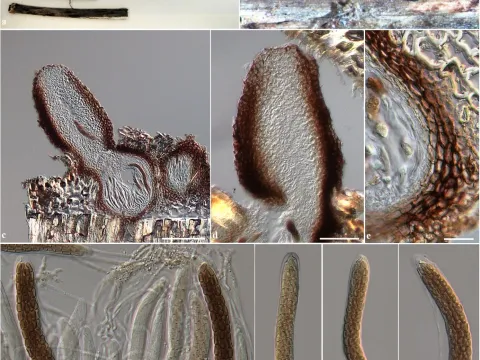
Entodesmium
Entodesmium rude
The causal agent of entodesmosis is the ascomycetous fungus Entodesmium rude (also known as Pyrenophora rugosa), which belongs to the Dothideomycetes class. This pathogen is a specialized fungus that primarily infects the vegetative parts of various wild and cultivated grass species.
What the section contains
Entodesmium
The lifecycle of this pathogen is closely linked to crop residues, where it survives as pseudothecia during the off-season. In spring, as temperatures rise and moisture levels increase, ascospores mature and serve as the primary source of infection for emerging host plants.
Upon infection, the mycelium penetrates the leaf tissue, moving intercellularly and eventually breaking down the parenchyma cells. This results in the characteristic necrotic lesions observed on the leaf surface, which interfere with the plant's metabolic processes.
Entodesmium rude possesses the ability to produce secondary conidia during the growing season, which allows for rapid spread between neighboring plants. This secondary cycle is crucial for the pathogen's ability to create localized epidemics within a field.
The virulence of this pathogen can vary depending on the host's genetic resistance and local environmental pressures. It is often observed in cereal fields where agricultural practices allow for the accumulation of infected plant debris over several seasons.
The initial symptoms of entodesmosis appear as small chlorotic spots on the leaves, which gradually develop into distinct necrotic patches. The color of these lesions shifts from yellow to brown or dark grey as the tissue dies.
As the disease progresses, these individual spots may coalesce, forming large, irregular dead zones that significantly reduce the green leaf area. In severe cases, this leads to the premature drying of the entire foliage.
Tiny black fruiting bodies of the fungus may emerge within the necrotic lesions, visible upon close inspection. These structures confirm the presence of the pathogen and represent the reproductive phase of the fungus on the host plant.
Symptoms typically manifest first on the lower leaves, where humidity remains higher and air circulation is poorer. Without intervention, the disease spreads upwards, progressively affecting the upper canopy and flag leaves.
The disease appearance can be similar to other leaf-spotting fungi, necessitating professional diagnostic verification. Accurate identification is key to implementing appropriate disease management strategies for specific crop types.
The development of entodesmosis is highly dependent on moderate temperatures and prolonged leaf wetness. Rain, heavy dew, and frequent fog provide the necessary moisture for ascospores to germinate and successfully colonize leaf surfaces.
Periods of humid, overcast weather are particularly conducive to the spread of the fungus. Optimal environmental conditions allow for rapid spore production and dispersal by wind across the field.
Poor field hygiene and dense planting patterns exacerbate the disease by trapping humidity within the plant canopy. Reduced airflow inhibits the drying of foliage, creating an ideal microclimate for Entodesmium rude to thrive.
Infected crop debris left on the surface after harvest acts as a reservoir for the pathogen. Therefore, continuous cropping systems without proper rotation tend to have higher disease pressure each year.
Plants under physiological stress, due to nutrient imbalances or pest damage, show increased susceptibility to the disease. Maintaining high plant vigor through proper management can help mitigate the impact of the infection.
The main harm caused by entodesmosis is the reduction in total photosynthetic surface area. By killing leaf tissue, the pathogen reduces the plant's ability to generate energy, which is essential for grain filling and yield development.
Severe infestations lead to a significant decrease in crop productivity. Plants subjected to heavy disease pressure often show reduced biomass, shorter growing periods, and decreased overall vitality throughout the season.
Beyond quantity, the quality of the harvest is often compromised. Grain harvested from heavily infected plants is frequently shriveled and lightweight, leading to lower market grades and poor germination rates.
Infected crops are also more prone to environmental stresses, including winterkill in autumn-sown cereals. The weakening of the immune system and reduced energy reserves make the plants less capable of surviving harsh winter conditions.
Economic losses arise from both decreased yields and the costs associated with fungicide applications. Proactive management is necessary to avoid the financial strain that a large-scale outbreak can impose on cereal production.
Crop rotation is the foundational strategy for controlling entodesmosis, as it breaks the survival cycle of the pathogen on host residues. Rotating cereals with non-host crops is essential for reducing the inoculum level in the soil.
Deep plowing and efficient management of crop residues encourage rapid decomposition, effectively destroying the pathogen's hiding places. Clean tillage practices are highly effective in managing the source of the infection.
Planting resistant cultivars is the most sustainable way to protect the crop. Breeding programs continue to prioritize resistance to leaf-spotting fungi to ensure stability and reduce reliance on synthetic inputs.
Fungicides can be used as a targeted intervention when early signs of the disease are detected. Utilizing systemic fungicides from the triazole or strobilurin classes provides effective control during high-risk periods.
Regular field scouting is critical for early detection and timely decision-making. By combining cultural practices with monitoring and chemical intervention when necessary, growers can successfully minimize the impact of the disease.