
Entoloma
Entoloma
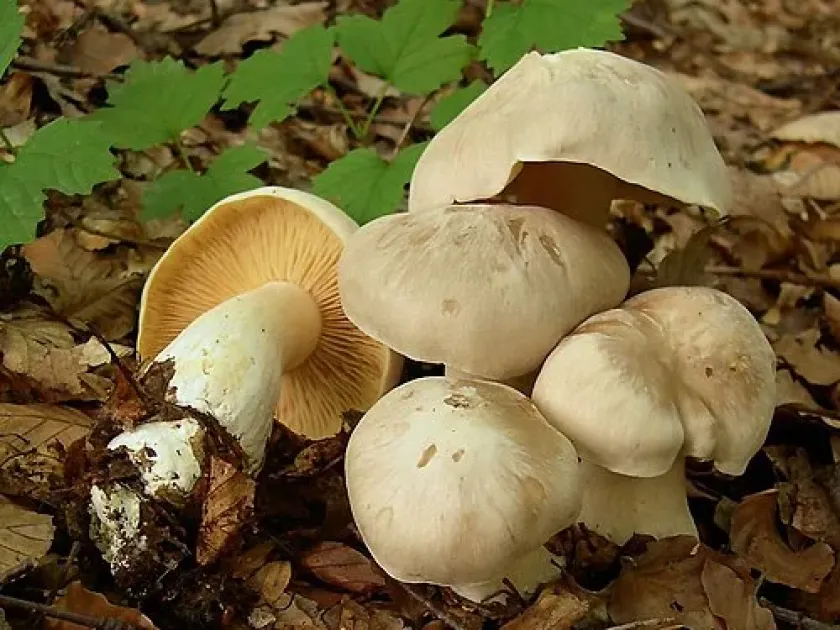
Description
Symptoms
The most visible sign of Entoloma is the appearance of fruiting bodies. These mushrooms typically display brittle caps and gills that are attached to the stem, often turning pinkish as spores mature.
Within the root zone of forest trees, the presence of mycelial mats can alter soil structure, contributing to increased porosity as the fungi process organic matter.
Active colonization of leaf litter by the fungus often results in a visible discoloration of the substrate, marking the areas where decomposition is most intense.
The absence of a ring on the stem and the presence of adnexed or sinuate gills are morphological markers used for identifying species within this genus during field surveys.
During peak growth periods, clusters of fruiting bodies may appear on the forest floor, indicating a mature and well-established underground fungal network.
Pathogen
The genus Entoloma comprises a large group of fungi primarily known as saprotrophs that inhabit soil, leaf litter, and decaying woody substrates. They are not typically classified as pathogens of agricultural crops.
Biologically, these fungi play a crucial role in nutrient cycling within forest ecosystems by decomposing complex organic matter. Their mycelium permeates the upper soil layers, facilitating the breakdown of organic debris.
While some species may establish mycorrhizal associations with woody plants, they are generally focused on obtaining nutrients from dead organic material rather than invading living host tissues.
In terms of forest pathology, the presence of Entoloma is often used as an indicator of soil health and the level of organic matter decomposition in specific forest stands.
The genus is characterized by angular spores that produce a distinctive pink spore print, a key feature that separates them from other fungal groups in field studies.
Conditions for development
The development of Entoloma is highly dependent on environmental moisture levels, with significant fruiting usually occurring following heavy rainfall during spring and autumn.
These fungi thrive in nutrient-rich environments with high concentrations of organic matter, typically found in temperate forest soils with a neutral or slightly acidic pH.
Temperature plays a vital role, with moderate ranges between 15°C and 22°C providing the best conditions for mycelial expansion and the formation of reproductive structures.
Shaded areas that maintain consistent soil moisture are preferred, as these environments protect the delicate fungal structures from the drying effects of wind and direct sunlight.
Human activities that disturb the forest floor or significantly alter the chemical composition of the soil may lead to a reduction in local Entoloma populations.
Discussion
No discussions yet — be the first.