
Entoloma griseocyaneum
Entoloma griseocyaneum
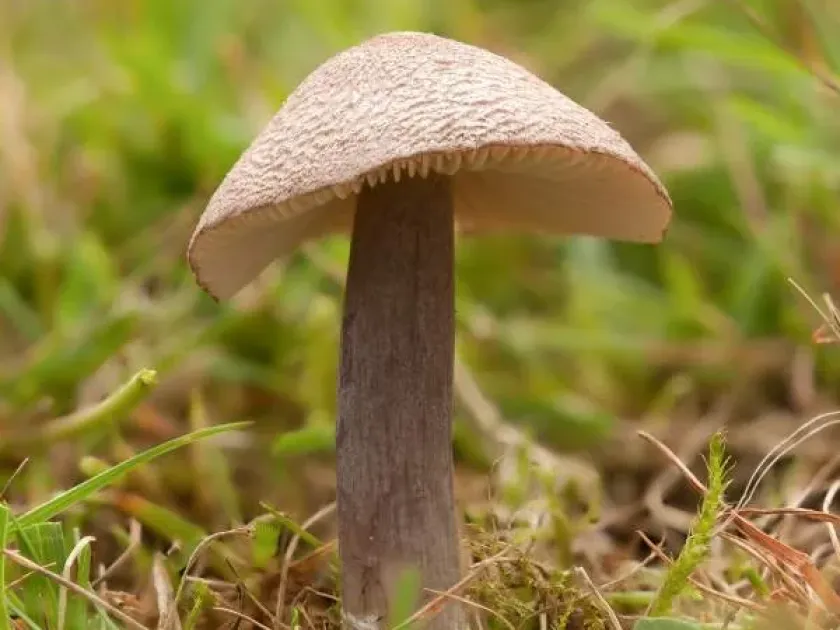
Description
Pathogen
Entoloma griseocyaneum is not a plant pathogen and does not cause diseases in any agricultural or horticultural crops.
It belongs to the Entolomataceae family and functions exclusively as a saprotroph in its natural environment.
The fungus plays an essential role in the decomposition of organic matter, recycling nutrients back into the soil ecosystem.
The mycelium does not interact parasitically with living plant tissues, meaning that crop health remains completely unaffected.
It lacks the enzymatic mechanisms required to invade or damage the structural integrity of crops or garden plants.
Conditions for development
This species typically inhabits open grassy areas, such as meadows, pastures, and undisturbed roadside verges.
High soil moisture and moderate ambient temperatures are critical factors for the development of its fruit bodies.
The fungus thrives in organic-rich soils where the decomposition of plant debris is ongoing and active.
A stable microclimate provided by dense grass or turf is necessary for the successful spread and growth of the mycelial network.
Peak occurrences are generally observed during the late summer and autumn seasons when climatic conditions are most favorable.
Why it matters
Entoloma griseocyaneum causes no harm to agricultural production and is not considered a threat to any cultivation system.
Since it is not a pathogen, there is no need for protective measures, fungicides, or any other pest management interventions.
The presence of this fungus is indicative of a healthy soil ecosystem that actively participates in natural carbon cycling.
Farmers do not need to take action against this organism as it provides beneficial ecological functions for the soil profile.
It poses no risk to crop yields, quality, or food safety, making it a benign component of the agricultural landscape.
Discussion
No discussions yet — be the first.