
Entoloma asprellum
Entoloma asprellum
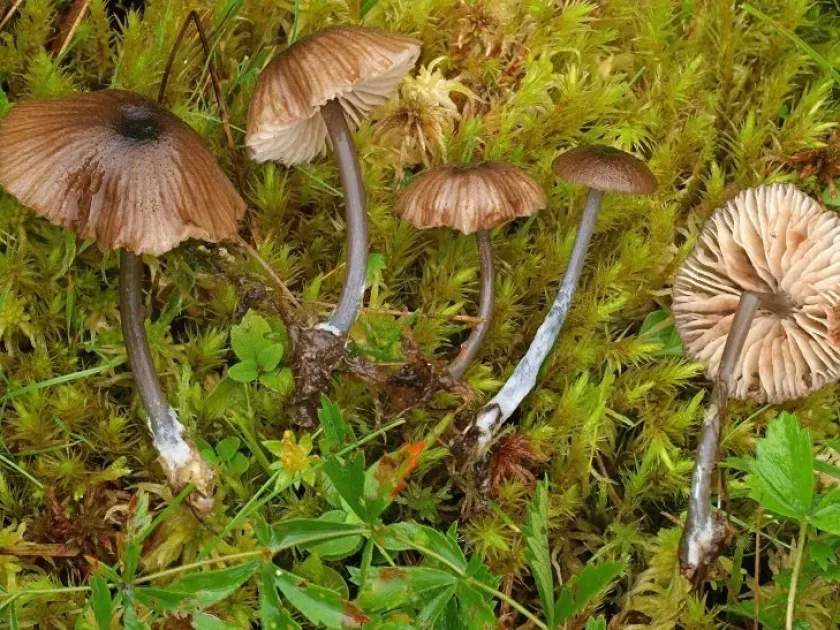
Description
Pathogen
Entoloma asprellum is a species of mushroom belonging to the Entolomataceae family, primarily recognized as a soil-dwelling saprophyte.
Unlike obligate plant pathogens, this fungus functions primarily as a decomposer, breaking down complex organic materials within the soil profile.
The organism develops an extensive mycelial network, which is typical for fungi that rely on decaying plant debris for nutrient acquisition.
From a mycological perspective, it is a stable member of the soil microbiome, adapting well to various moisture regimes in both wild and cultivated fields.
Identification of this species relies on observing specific macroscopic features, such as the textured surface of the cap, which distinguishes it from related fungi.
Conditions for development
This fungus thrives in environments characterized by high soil moisture content, often following periods of significant precipitation.
Optimal development is achieved when soil temperatures are mild, supporting rapid mycelial growth and subsequent sporophore formation.
Abundant organic matter, such as crop residues left on the soil surface, acts as a primary substrate for the proliferation of this species.
It typically favors slightly acidic to neutral soil pH levels, conditions commonly found in managed agricultural landscapes that receive fertilization.
Stagnant air and water-logged soil conditions provide the necessary microclimate for the fungus to establish itself and reproduce effectively.
Why it matters
Entoloma asprellum is generally not considered a threat to living agricultural crops, as it does not possess significant parasitic capabilities.
Potential concerns arise if the fungal biomass becomes excessive, potentially competing with beneficial microorganisms or crops for local nutrients.
Dense mycelial growth can alter the aeration and moisture dynamics of the topsoil, which might indirectly influence root development in sensitive stages.
Its presence is often seen as a biological indicator of the presence of uncomposted organic matter rather than an active disease agent.
In most agronomic systems, the harm caused is negligible, and it is usually monitored simply as a part of the field's microbial community.
Protection
Effective management focuses on improving soil structure and ensuring the thorough incorporation of crop residues into the soil profile.
Enhancing field drainage systems helps mitigate the conditions that favor the rapid expansion of saprophytic fungal populations.
Maintaining a balanced crop rotation prevents the over-accumulation of specific types of organic debris that support the fungus.
Using microbial soil inoculants can promote the activity of beneficial microbes that compete with Entoloma asprellum for resources.
Chemical intervention is not recommended, as the fungus does not cause significant yield loss or plant damage requiring fungicide application.
Discussion
No discussions yet — be the first.