
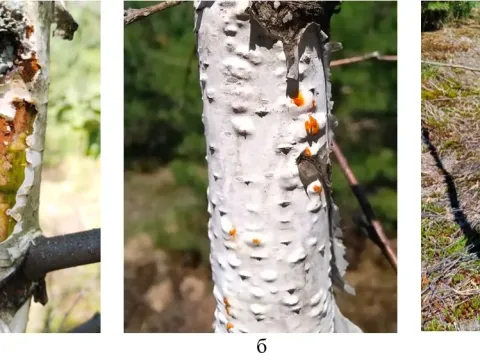
Diatrype necrosis
Diatrype
The disease is caused by ascomycete fungi from the genus Diatrype, such as Diatrype disciformis. These fungi act as wood-decay pathogens that typically colonize weakened or damaged tree tissues.
What the section contains
Diatrype necrosis
The life cycle involves the development of small, black, erumpent stromata on the bark surface. These structures contain apothecia that release ascospores, which are spread by wind and rain splashes.
The pathogen remains viable in the dead bark and woody debris for a significant period. This persistence makes it a recurring threat in orchards or forest stands if proper sanitation is neglected.
Infection occurs primarily through open wounds, such as pruning cuts, frost cracks, or mechanical injuries caused by tools or insects. Once inside, the mycelium penetrates the bark and cambium layers.
This is categorized as a necrotic disease that eventually kills the vascular tissues. The fungal growth disrupts the transport of water and nutrients, leading to the gradual decline of the affected plant parts.
The earliest symptom is the localized necrosis of the bark, where the affected area becomes darkened and sunken. The edges of the necrotic lesion often show visible cracking as the healthy tissue tries to callus over.
A distinctive sign is the appearance of numerous small, black, granular stromata on the dead bark surface. These fruiting bodies often cluster together, giving the bark a characteristic rough or peppered look.
Beneath the necrotic bark, the wood often shows internal discoloration, ranging from light brown to deep brown. The mycelial growth may be visible as thin white filaments within the wood structure.
Branches affected by the disease eventually show canopy symptoms. Leaves on the infected branch may turn yellow or brown, wither, and drop prematurely, signaling the death of the vascular connection.
In advanced cases, the necrosis circles the entire branch or stem. This leads to the rapid wilting and death of all vegetative parts located above the site of infection.
High humidity and prolonged periods of wet weather are the most favorable conditions for the development of Diatrype species. Rain facilitates the dispersal of spores and creates moisture levels necessary for their germination.
Trees stressed by extreme temperatures, especially frost injury during winter, are highly susceptible. These frost cracks provide direct access for spores to reach the vulnerable cambium tissue.
Poor orchard management is a significant contributor to the spread of the disease. Leaving large pruning cuts untreated allows the fungus to gain easy entry into the tree's internal structures.
Densely planted orchards with poor air circulation often experience higher disease rates. The stagnant, moist microclimate within the canopy favors the growth and reproduction of the pathogen.
Trees weakened by nutrient deficiencies or drought are less capable of defending themselves. A robust tree with optimal health is much better at compartmentalizing and stopping the spread of localized fungal infections.
The primary economic impact of Diatrype necrosis is the loss of productive branches in orchards. This significantly reduces overall crop yield and the longevity of the trees.
The disease often takes a chronic form, causing a slow decline in tree vitality. If left untreated, the cumulative damage can lead to the death of the entire tree over several seasons.
In nursery settings, the infection can be devastating, resulting in the loss of young planting material and direct financial losses. It can also act as a source of inoculum for surrounding healthy trees.
Besides productivity loss, infected trees are aesthetically compromised, which is particularly detrimental in landscape and ornamental gardening where plant appearance is critical.
The presence of Diatrype necrosis complicates management tasks, as it necessitates costly sanitation procedures, including the removal and safe disposal of affected woody materials.
Sanitation is the cornerstone of disease management. All infected branches must be pruned back to healthy wood, ensuring the cuts are clean and performed with sterilized tools.
Applying protective sealants or fungicides to all pruning wounds is essential to prevent pathogen entry. This barrier prevents spores from colonizing fresh surfaces.
Preventive fungicide applications during the dormant season, specifically during autumn or early spring, can effectively reduce the fungal inoculum present in the orchard.
Maintaining optimal tree vigor through balanced fertilization and appropriate irrigation helps improve the tree's natural defense mechanisms against fungal pathogens.
- Promptly remove and destroy dead wood to eliminate pathogen sources.
- Sterilize pruning equipment with alcohol or bleach between trees.
- Monitor trees regularly for early signs of bark lesions.
- Protect tree trunks from sunscald and frost cracks to minimize entry points.