
Diatrype virescens
Diatrype virescens
Description
Symptoms
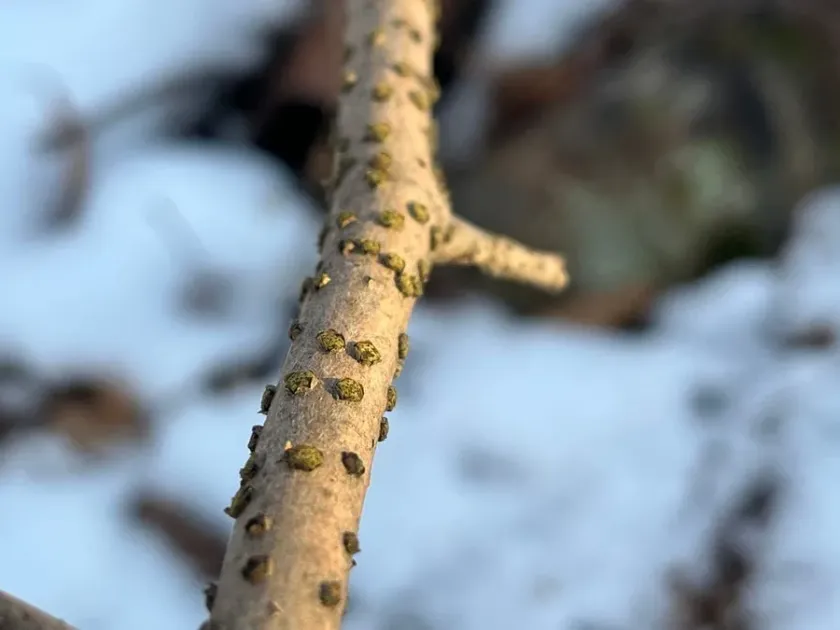
The primary visual sign of infestation is the emergence of specific black, dense, angular stromata on the bark surface. In areas of colonization, the bark may show signs of cracking, revealing the dark fungal mycelium beneath.
Affected branches often show premature dieback, with the bark becoming brittle and dry. During wet weather, the surface of the bark in affected areas may acquire a subtle greenish or olive hue, making it easier to distinguish from other common bark fungi.
Upon closer inspection, the fruiting bodies appear as small pimple-like bumps protruding through the periderm. Internal examination of the affected wood often reveals localized zones of decay, indicating the penetration of fungal hyphae into the deeper layers of the wood.
Symptoms are often localized to individual branches or specific sections of the trunk. Affected trees appear weakened, with symptoms such as dieback of terminal shoots and premature yellowing of leaves due to the impairment of the tree's vascular system.
The diagnostic feature distinguishing Diatrype virescens from other members of the family Diatrypaceae is the characteristic greenish pigment associated with the spore-producing areas, which is most prominent on young stroma under humid conditions.
Pathogen
The causative agent of this condition is the ascomycete fungus Diatrype virescens. This microorganism belongs to the class Sordariomycetes and typically acts as a saprotroph or a weak parasite that colonizes dead or stressed woody tissues.
The fungus is characterized by the formation of stromatic fruit bodies. These appear as small, slightly raised black cushions on the bark, often exhibiting a greenish tint in the areas where spores are produced, which is the origin of the specific epithet virescens.
The fungus reproduces through ascospores released into the environment under high-humidity conditions. Infection typically spreads via micro-cracks in the bark, mechanical wounds on branches, or pruning sites on the tree trunk.
This pathogen demonstrates a high capacity for long-term survival in infected plant debris. While its life cycle is predominantly saprotrophic, it can penetrate deeper into the bast and cambium when the tree's immune system is compromised by external stress.
The mycological role of this species is essential in forest ecosystems as a wood decomposer. However, in horticultural settings, orchards, or managed landscapes, it is considered a problematic organism that can exacerbate the decline of woody plants.
Conditions for development
The development of Diatrype virescens is strongly favored by high humidity and moderate temperatures. Spore dispersal is most active during the autumn and spring seasons, which are typically characterized by prolonged periods of precipitation.
Trees weakened by drought, improper pruning, or cold-stress are primary targets. In these vulnerable states, the tree's natural defense mechanisms are often insufficient to prevent the initial penetration of the fungal hyphae into the woody tissue.
The accumulation of unmanaged woody debris in the vicinity creates a significant reservoir of inoculum. Spores can be easily transported by raindrops, wind currents, or boring insects that cause primary damage to the bark.
Densely planted stands that limit airflow and sunlight penetration on tree trunks create a stagnant, moist microclimate. This environment is ideal for the successful germination of spores and the subsequent formation of new stromatic fruit bodies.
A dense canopy, which retains moisture within the tree structure, facilitates the growth of the fungus even on healthy-looking branches, provided they have suffered minor damage from hail or mechanical operations.
Why it matters
The primary damage caused by this fungus is the induction of bark necrosis and the overall loss of tree vigor. Persistent infestation leads to the gradual drying of branches, which negatively impacts the productivity of fruit trees and the appearance of ornamentals.
In cases of severe infestation, the pathogen can contribute to the dieback of major structural branches, leading to crown deformation. Such trees become significantly more susceptible to secondary pests and more aggressive pathogens.
Compromised bark integrity allows secondary pathogens, such as agents of black rot or bacterial canker, to enter the tree. Thus, Diatrype virescens often serves as a precursor that facilitates the establishment of more lethal infections.
For ornamental plants, the aesthetic damage is significant as trunks and branches become covered in unsightly black, bumpy growths. This reduces the marketability of nursery stock and compromises the visual appeal of managed landscapes.
Prolonged parasitic activity on perennial crops depletes the tree's internal energy reserves. Over time, this shortens the plant's lifespan and effectively prevents normal fruit production or standard seasonal flowering.
Protection
The fundamental prevention method is timely sanitary pruning of all dead and visibly affected branches. All pruning wounds should be treated with appropriate sealants or fungicidal pastes to create a physical barrier against colonization.
Strict disinfection of pruning tools is essential after working on each tree, using alcohol or specialized sanitizing solutions. This prevents the mechanical transfer of spores from infected specimens to healthy plants within the garden.
Maintaining high horticultural standards, including adequate irrigation and balanced fertilization, increases the tree's natural resistance. A healthy, vigorous tree is better equipped to form protective periderm layers to wall off the infection.
In orchards with high infection pressure, prophylactic spraying with copper-based fungicides during the dormant period (late autumn or early spring) can significantly inhibit the development of surface spores.
Removing and destroying all infected plant debris, fallen leaves, and dried branches is critical for reducing the local spore load. Do not allow wood piles or rotting logs to remain near healthy trees, as they act as a continuous source of infection.
Discussion
No discussions yet — be the first.