
Dicarpella
Dicarpella
The disease is caused by fungi belonging to the genus Dicarpella, which are specialized ascomycete parasites of specific woody plants. These fungi have adapted to complete their lifecycle on host tissues.
What the section contains
Dicarpella
The fungus produces sexual spores within fruiting bodies, known as perithecia, which develop on fallen leaves or dead stems. These structures allow the pathogen to survive harsh conditions.
The fungal mycelium colonizes the plant tissues, extracting nutrients and disrupting the plant's physiological functions. This process leads to the formation of characteristic necrotic spots.
Spore dispersal occurs primarily through rain splashes and wind, which carry the infectious units to healthy leaf and shoot tissues during favorable environmental conditions.
The pathogen is highly effective at overwintering, remaining latent in leaf litter or bark crevices until the arrival of spring temperatures triggers its reactivation.
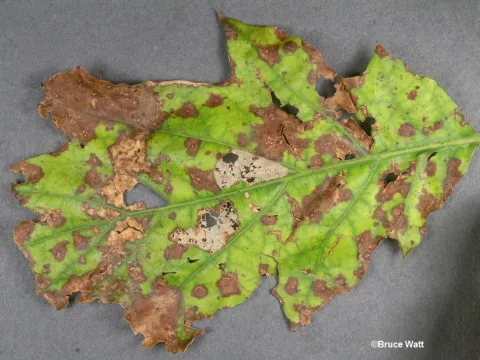
Initial signs include the appearance of small, distinct spots on the foliage. These lesions often exhibit a target-like appearance with darker margins and lighter centers.
As the infection progresses, the spots may coalesce, causing significant tissue death. Tiny, black, pinhead-sized structures often become visible on the underside of the leaves.
Severe infestations lead to premature defoliation, where the tree loses its leaves well before the autumn season. This is a clear indicator of a significant health challenge.
Young shoots may show evidence of blight, where parts of the new growth darken, wilt, and die. Such symptoms are critical indicators of the pathogen's activity level.
Bark lesions may occur on sensitive species, appearing as localized cracked areas or small cankers, which can persist for several growing seasons if left untreated.
High humidity and consistent rainfall are the primary catalysts for Dicarpella development. Moisture is essential for spore germination and successful colonization of host tissues.
Moderate spring temperatures favor the pathogen's growth cycle. During this period, trees are most vulnerable as they produce new, succulent leaves and shoots.
Dense canopies and poor air circulation within the planting site create a humid microclimate that significantly boosts the spread of the fungus.
The presence of overwintered, infected plant debris is the main source of inoculum for the new season. Sanitation plays a crucial role in disrupting this lifecycle.
Plants under environmental stress, such as drought or nutritional deficiency, demonstrate lower systemic resistance, making them easier targets for the fungal colonization.
The primary harm lies in the reduction of the photosynthetic capacity of the tree. Less leaf surface means less energy production, which stunts overall plant development.
Premature leaf drop negatively impacts the tree's winter hardiness. Without sufficient energy reserves, the plant is more prone to frost injury during the cold months.
Chronic infection results in reduced annual growth rates. Branches may become brittle, and the overall vigor of the tree declines significantly over time.
Damaged tissues are frequently exploited by secondary pathogens, which can exacerbate the situation and potentially lead to the death of specific limbs or the entire tree.
In ornamental and forest settings, the disease causes aesthetic degradation and potential loss of economic value for timber or landscaping purposes.
Effective management begins with strict sanitation. Collecting and destroying all fallen leaves at the end of the season is the most effective way to reduce inoculum.
Pruning should be performed to remove diseased branches and improve airflow within the crown, thus preventing the accumulation of moisture needed by the fungus.
Chemical control involving fungicides should be applied during the early spring as buds break. Preventive sprays are significantly more effective than reactive treatments.
Maintaining the overall health of the tree through balanced fertilization and proper irrigation helps the plant develop natural defenses against the infection.
- Implement regular sanitary inspections of the canopy.
- Avoid overhead irrigation that keeps leaves wet.
- Use systemic fungicides if the infection is persistent.
- Select resistant plant species for new landscaping projects.