
Diatoms
Bacillariophyceae
Description
Symptoms
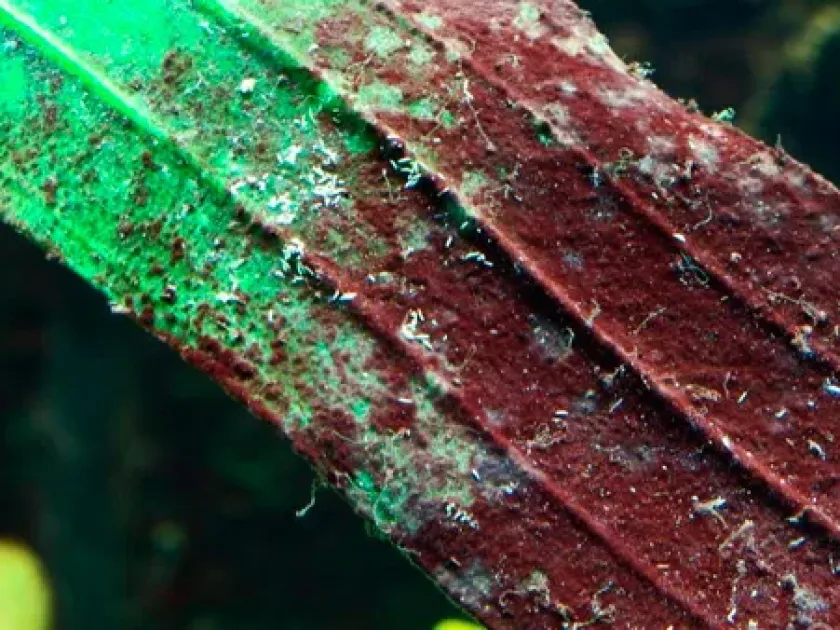
The primary symptom is the formation of a rusty-brown, golden, or greenish crust on the soil surface. This layer often has a slippery or slimy consistency.
In greenhouse setups, this layer can cover the surface of pots, seedling trays, and irrigation channels. Over time, it hardens, preventing proper gas exchange.
Plants affected by significant diatom colonization show signs of stunted growth. Chlorosis may occur as the algae compete for essential minerals in the root zone.
In hydroponic systems, the appearance of a slick coating on pipes and reservoirs is a sign of diatom presence. This often leads to cloudy nutrient solutions.
Root systems might suffer from suffocation due to the lack of oxygen penetration through the algae-covered substrate surface.
Pathogen
Diatoms (Bacillariophyceae) are a class of unicellular algae characterized by their unique silica cell walls. In horticultural terms, their proliferation is considered a sign of environmental imbalance in the substrate.
As photosynthetic organisms, they thrive in environments with sufficient light and moisture. They colonize the surface of soil, peat, or growing media, forming a biological film.
While not primary plant pathogens, their presence negatively alters the physicochemical properties of the root zone. They compete directly with the plant for nutrients and space.
Their life cycle depends on the availability of dissolved silicon. They are highly resilient and can remain dormant in dry conditions until environmental factors trigger new growth.
Dissemination occurs via spores and cell fragmentation, which are easily transported through water supply systems or contaminated gardening tools.
Conditions for development
Excessive surface moisture is the main driver for diatom development. A constantly wet substrate provides the perfect foundation for their rapid reproduction.
Light availability is essential for their photosynthetic activity. Diatoms are most active on the surfaces of substrates exposed to direct or high-intensity indirect light.
High levels of nitrogen and phosphorus in the growth medium create an nutrient-rich environment that accelerates the colonization process significantly.
Temperature ranges between +15°C and +25°C are ideal for rapid cell division. Within these temperatures, algae can cover a substrate surface in just a few days.
Poor drainage and lack of airflow across the substrate surface create stagnant conditions, further encouraging the proliferation of diatom colonies.
Why it matters
Diatom films act as a physical barrier that restricts oxygen supply to the roots, leading to physiological root rot and plant stress.
The hardening crust interferes with water absorption, causing irrigation to run off the surface instead of penetrating the root zone efficiently.
These organisms consume nutrients meant for the plant, resulting in nutrient imbalances and reduced vigor in commercial crops.
In automated irrigation and hydroponic systems, diatoms can clog nozzles, emitters, and filters, causing operational failures and increased maintenance costs.
The presence of diatoms indicates an unhealthy environment that is often conducive to the growth of more harmful fungi and anaerobic bacteria.
Protection
The most effective management technique is regular soil surface cultivation (scratching or breaking up the crust) to improve aeration and destroy the biological film.
Adjust irrigation practices to allow the surface of the growing medium to dry out slightly between waterings, as this inhibits algae growth.
Apply light-blocking mulches, such as clay pebbles or opaque covers, to deprive the algae of the light necessary for photosynthesis.
Implement strict hygiene and sanitation protocols in the greenhouse, including the cleaning of tools and sterilization of hydroponic systems.
- Improve greenhouse ventilation.
- Monitor and balance fertilizer dosage.
- Ensure efficient substrate drainage.
- Remove the upper, contaminated layer of substrate.
Discussion
No discussions yet — be the first.