
Cyttariales
Cyttariales
Cyttariales are an order of fungi within the class Leotiomycetes. These fungi are recognized as specialized parasites that inhabit the living tissues of various woody plants, causing significant physiological impacts on the host.
What the section contains
Cyttariales
The pathogens typically produce apothecia, which are fruiting bodies often embedded within a stroma. The lifecycle of these fungi is intricately synchronized with the host's seasonal cycles, enabling persistent survival within the host tissue.
These fungi utilize specific enzymatic pathways to breach the bark and epidermis of young branches. Once inside, the mycelium colonizes the cambium, disrupting the plant's vascular function and redirecting metabolic resources toward the fungus.
Research into this order frequently focuses on the genus Cyttaria, known for creating complex, gall-like structures on tree limbs. As obligate parasites, they rely entirely on the host's metabolic activities for their growth and reproduction.
From an agronomic perspective, the persistent nature of the mycelium makes it a challenging pathogen. In established infections, the fungus penetrates deep into the woody tissues, limiting the effectiveness of superficial chemical treatments.
The hallmark sign of a Cyttariales infection is the development of pronounced galls or swellings on trunks and branches. These structures arise due to the abnormal proliferation of plant tissue stimulated by the fungal infection.
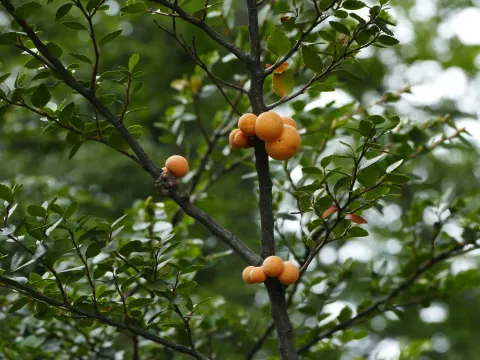
During the sporulation stage, bright, distinct apothecia emerge on the surface of the galls. This visible growth allows for rapid identification of the infection, often serving as the primary diagnostic indicator in the field.
Branches distal to the gall site often exhibit signs of necrosis or chlorosis. This occurs because the gall physically obstructs the flow of nutrients and water, starving the outer parts of the branch.
As the galls age, the bark covering them may crack and peel, exposing the underlying woody tissue to the environment. This secondary damage often serves as an entry point for other pathogens and wood-boring insects.
Long-term infestation leads to severe loss of plant vigor. The structural integrity of the tree is compromised, and the overall architectural form of the canopy can become severely deformed over several seasons.
Cyttariales thrive in environments with high humidity and moderate temperatures. Persistent rainfall and mist create an ideal climate for the release and germination of ascospores on the surface of the host.
Poor orchard or forest management, specifically overcrowding and insufficient pruning, exacerbates the spread of the fungus. High planting density reduces airflow, keeping bark surfaces damp for longer periods.
Mechanical damage to the trunk or branches acts as a catalyst for primary infection. Trees under physiological stress—due to drought, nutrient deficiency, or prior injuries—are significantly more susceptible to colonization.
Temperatures between 15°C and 20°C are generally considered optimal for mycelial growth and the development of apothecia. The pathogens effectively overwinter within the infected galls, remaining ready for reactivation in the spring.
Good agricultural practices, such as ensuring proper spacing and regular sanitation, are critical in mitigating the rapid development of these fungal outbreaks in managed woody populations.
The primary harm caused by Cyttariales is the physiological exhaustion of the host plant. The galls act as "sinks" for nutrients, draining the tree's energy reserves that would otherwise be used for growth and fruit production.
Economic damage is substantial, particularly in timber production, where stem deformation renders the wood unsuitable for commercial use. In orchards, infected trees suffer from reduced yields and declining health.
- Loss of aesthetic value and timber quality
- Increased susceptibility to secondary environmental stressors
- Structural weakening of branches leading to breakage
- Significant reduction in annual biomass accumulation
- Financial impact from tree removal and replanting costs
The presence of these pathogens reduces the overall lifespan of the tree. If left unmanaged, a localized infection can spread throughout a stand, leading to long-term decline in the health of the entire area.
Furthermore, the physical damage to bark and wood makes the host tree an easy target for opportunistic insects and bacteria, turning a primary fungal infection into a complex multi-pathogen crisis.
Rigorous sanitation via the pruning and removal of infected branches is the most effective control method. All removed material must be incinerated to prevent the dispersal of spores from the site.
Preventative application of copper-based fungicides during the early spring can help protect healthy tissue. It is vital to apply these treatments before bud break to create a protective barrier against spores.
Maintaining high plant vigor through proper fertilization and watering schedules strengthens the host's natural defenses. Healthy trees are better equipped to limit the spread of the pathogen within their tissues.
All pruning wounds or accidental bark injuries should be treated immediately with wound sealants or antiseptic pastes. This prevents the entry of spores into exposed wood during favorable infection weather.
Regular inspection of the orchard or nursery is essential for early detection. Identifying small galls before they produce spores is the key to preventing a minor issue from becoming a devastating outbreak.