
Dacryobolus
Dacryobolus
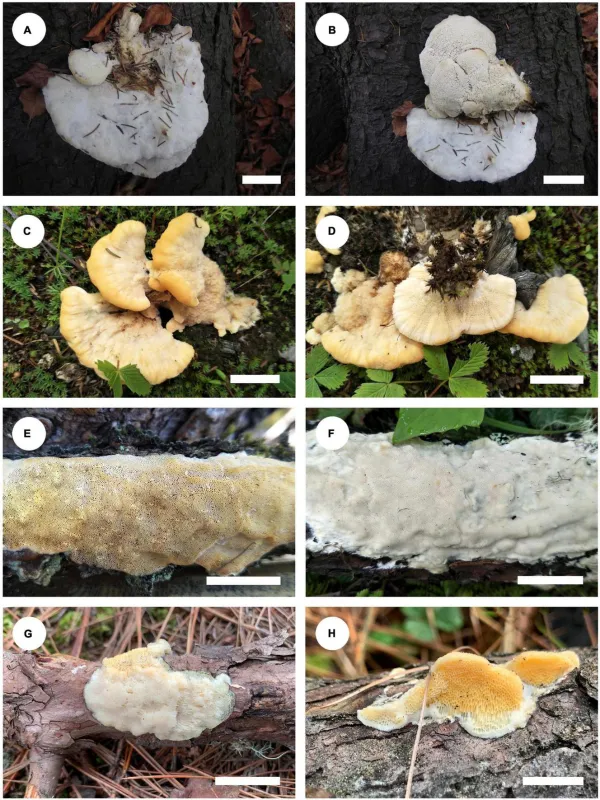
Description
Symptoms
Visual identification often includes the presence of flattened, film-like fruit bodies that have a smooth or slightly tuberculate surface.
The wood affected by Dacryobolus loses its mechanical integrity, becoming fibrous, bleached, and fragile due to the degradation of structural polymers.
Infected areas often show signs of bark detachment, exposing the wood beneath which may be covered in mycelial growth.
A distinctive symptom is the texture of the decay, which often feels sponge-like or stringy compared to healthy, dense wood.
- Bleached, stringy wood tissue.
- Resilient, crusty fungal growths on the bark.
- Reduced weight and density of the wood.
- Bark peeling or cracking around the affected area.
Pathogen
The disease is caused by fungi belonging to the genus Dacryobolus, which are known as wood-decaying basidiomycetes primarily responsible for white rot.
These fungi function mainly as saprotrophs, decomposing woody substrates by secreting enzymes that break down lignin and cellulose components.
The life cycle involves the formation of crust-like basidiocarps, which tightly adhere to the bark or exposed wood of the host plant.
Spore production is a critical part of their biology, allowing the fungus to spread via wind or water droplets to new woody surfaces.
In certain conditions, the mycelium can colonize weakened living tissue, making it a opportunistic pathogen rather than just a wood decomposer.
Conditions for development
High moisture levels in the woody tissue are essential for the metabolic activity and colonization processes of Dacryobolus.
The presence of wounds, frost cracks, or dead branches provides the necessary entry points for the fungal spores to establish infection.
Temperatures ranging from 15°C to 25°C are considered optimal for the rapid expansion of the mycelium within the host tissue.
Lack of proper air circulation in dense forest stands or overcrowded garden plantings promotes a humid microclimate favorable to the fungus.
The fungus tends to thrive where physical damage to the tree exposes the inner layers of the wood to the external environment.
Why it matters
Dacryobolus significantly compromises the structural stability of trees, increasing the risk of branch failure or windthrow.
In the timber industry, infection leads to substantial financial losses as the wood loses its technical quality and commercial value.
The disease weakens the tree overall, making it more susceptible to secondary attacks by boring insects and other opportunistic pathogens.
Forest biodiversity can be impacted if the pathogen spreads, especially in plantations where monoculture increases vulnerability.
In ornamental landscaping, the presence of the fungus reduces the visual appeal of trees and often necessitates costly removal or pruning.
Protection
Proactive sanitation, including the regular removal and destruction of infected or dead branches, is the most effective management strategy.
Protecting trees from mechanical wounds is crucial; any pruning cuts should be sealed immediately with appropriate wound dressings or protective pastes.
Maintaining tree vigor through proper fertilization and adequate watering enhances the plant's natural resistance to fungal colonization.
Ensuring proper spacing between trees allows for better ventilation, reducing the moisture that fungi require for development.
Early diagnosis via regular tree inspections enables the application of targeted fungicides before the internal decay becomes irreversible.
Discussion
No discussions yet — be the first.