
Cytospora canker of poplar
Cytospora nivea
The disease is caused by the ascomycete fungus Cytospora nivea (syn. Valsa nivea). It is a weak parasite that primarily exploits stressed or physically damaged poplar trees.
What the section contains
Cytospora canker of poplar
The fungus develops within the bark and cambium layers, producing numerous fruit bodies called stroma. These structures rupture the bark's surface to release reproductive spores.
In wet weather, the pathogen releases spores in characteristic tendrils or masses. These spores are easily spread via wind, rain splashes, and movement of insects or equipment.
Once the spores land on a vulnerable surface, they germinate and penetrate the tree through wounds, sunscalds, or frost cracks, colonizing the plant tissue rapidly.
The mycelium of Cytospora nivea spreads intercellularly, causing localized tissue death (necrosis), which effectively blocks the transport of nutrients in the affected area.
The initial symptom of Cytospora canker is the sudden wilting and yellowing of foliage on infected branches. This is followed by the darkening and drying of the bark.
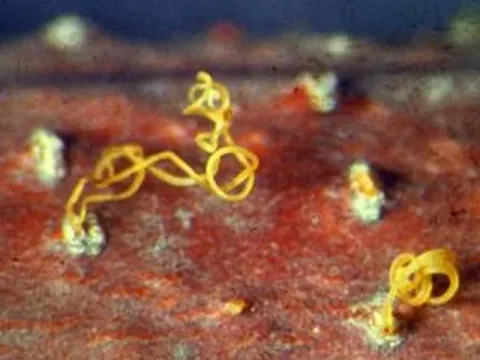
Small, bump-like stroma appear on the bark surface. When moist, these bump-like structures ooze orange or reddish spore masses that are clearly visible to the naked eye.
The infected bark becomes sunken, shriveled, and cracked. In advanced stages, the bark may peel away from the wood, exposing the dead cambium layer beneath.
As the infection progresses, entire limbs or even the main trunk may dry out and die, leading to a thinning of the canopy and loss of tree vigor.
- Yellowing and wilting of leaves.
- Sunken or cracked areas on the bark.
- Small protruding bumps (stroma) on the stem.
- Oozing of colored spore masses.
- Progressive dieback of branches.
Poplars are most susceptible to this disease when they are stressed. Environmental stressors play a crucial role in the development and severity of the infection.
Frost damage and sunscald are primary entry points for the fungus. These injuries create favorable conditions for the pathogen to establish itself in the vascular tissue.
Poor site conditions, including soil moisture imbalances and nutrient deficiencies, weaken the tree's immune response, making it unable to contain the fungal invasion.
Overcrowded plantations increase humidity levels around the stems, which promotes the growth and dispersal of fungal spores across the entire stand.
Extended periods of cool, wet weather provide optimal conditions for the fungus to reproduce and spread, often leading to outbreaks in forest nurseries and plantations.
Cytospora canker causes significant damage to poplar stands, leading to aesthetic decline and structural failure of affected trees due to trunk rot.
The disease causes substantial growth loss and premature tree mortality. Young, newly planted saplings are especially vulnerable and can be girdled within a single season.
The loss of branches and main stems reduces the commercial value of poplar wood, as the necrosis allows wood-rotting organisms to enter the heartwood.
In urban landscapes, infected poplars become safety hazards as weakened branches are prone to breaking during high winds or heavy snow events.
Once established in a tree, the disease is difficult to eradicate and serves as a continuous source of inoculum for neighboring susceptible trees.
Effective management begins with proper cultural practices, such as maintaining tree health through adequate irrigation and preventing soil compaction.
Sanitation is critical; all infected branches and dead material should be pruned and removed from the site to reduce the fungal spore load.
Pruning tools must be disinfected between cuts using alcohol or bleach solutions to prevent the transmission of the fungus from diseased to healthy wood.
Minimize physical damage to the trunk during maintenance activities. Protecting young trees from sunscald and frost damage can significantly reduce susceptibility.
While no fungicides provide a total cure for established infections, copper-based treatments can be used as a preventative measure during dormant seasons to protect wounded bark.