
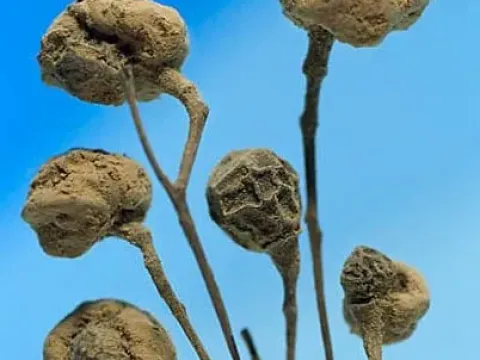
Cucurbitaria
Cucurbitaria
The causative agent of the disease is a group of fungi belonging to the genus Cucurbitaria, which are classified as Ascomycetes.
What the section contains
Cucurbitaria
These fungi often act as opportunistic pathogens, colonizing weakened or damaged woody tissues of various fruit and ornamental shrubs and trees.
The life cycle involves the production of small, black, clustered perithecia that erupt through the bark surface as the fungal colonies mature.
Reproduction is primarily achieved through the dispersal of ascospores, which are spread by wind, rain splashes, and insects to fresh plant wounds.
Cucurbitaria fungi are known to overwinter in infected bark or dead wood, ensuring the pathogen persists in the environment throughout the year.
The primary symptom includes the formation of necrotic areas or cankers on branches, where the bark loses its natural elasticity and begins to crack.
Distinctive black, bumpy fungal fruit bodies appear on the surface of the infected bark, often forming tight, dense clusters that are easily visible to the eye.
As the infection progresses, longitudinal cracks develop in the wood, exposing underlying layers and causing the bark to peel off in fragments.
Leaves on infected branches often wilt, yellow, and dry up prematurely due to the disruption of water and nutrient transport within the vascular system.
In severe cases, entire limbs can succumb to the infection, leading to dieback that significantly alters the architecture and health of the plant.
The development of Cucurbitaria is heavily influenced by environmental conditions, particularly high humidity and prolonged cool, wet weather cycles.
Plants suffering from abiotic stress, such as frost damage or sunscald, are significantly more susceptible to successful colonization by the fungus.
Poor orchard sanitation, where dead wood is allowed to remain on trees or on the ground, creates a reservoir for spore production and distribution.
Mechanical injuries resulting from improper pruning, harvesting, or equipment collision act as primary infection courts for fungal spores to enter the host.
General neglect of plant vigor, including nutrient deficiencies, weakens the natural barriers of the plant against fungal pathogens.
The disease causes significant damage by reducing the photosynthetic area of the tree, which directly correlates to lower fruit production and quality.
Persistent infections can lead to the gradual death of major branches, forcing heavy pruning that creates more stress for the plant.
If the infection reaches the main trunk, it can lead to the systemic decline and eventual death of the entire tree, necessitating costly removal.
Infected wood serves as a breeding ground for secondary pests and pathogens, further complicating the health management of the entire orchard.
The economic impact involves not only lost yield but also increased maintenance costs associated with disease monitoring and chemical applications.
The most effective strategy involves rigorous sanitation, consisting of pruning out all symptomatic wood and removing infected debris from the site.
Wounds and pruning cuts should be sealed with horticultural wound dressings or fungicidal pastes to prevent spores from infiltrating the host.
Maintain optimal plant health through proper fertilization and watering schedules to ensure the plant has the resources to resist opportunistic infections.
Apply preventive copper-based fungicides during the dormant season to reduce the overall spore load and prevent new infections from establishing.
Regular monitoring and control of wood-boring insects and other pests are essential to limit the number of open wounds available for fungal entry.