
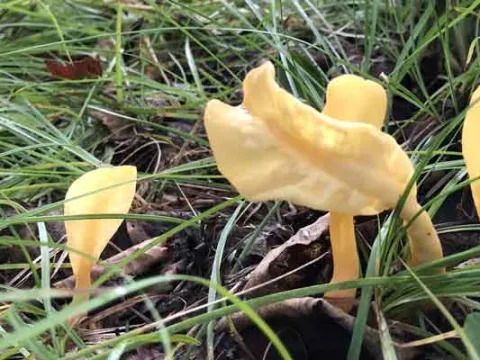
Cudoniaceae
Cudoniaceae
The Cudoniaceae family encompasses a group of ascomycetous fungi classified in mycology as saprotrophs or mycorrhizal symbionts. However, in silviculture, certain representatives of this family may exhibit parasitic properties, affecting weakened forest crops and woody plants.
What the section contains
Cudoniaceae
The disease is caused by fungal spores spread by wind and water flow. The life cycle involves the formation of apothecia — fruiting bodies within which ascospores mature, capable of surviving for long periods in soil or plant debris.
A biological feature of the species is its high plasticity to environmental changes. Unlike highly specialized pathogens, Cudoniaceae can switch to secondary nutrition, decomposing organic matter when the activity of living plant tissues declines.
The classification of this family has been repeatedly revised in phylogenetics. Currently, these fungi are viewed as potential pathogens capable of causing degradation of the root system and the root collar zone of seedlings in forest nurseries.
The infectious source persists in coniferous litter and the upper layer of the forest floor, from where the mycelium penetrates the root collars of young plants, blocking the transport of nutrients and water.
A primary external sign of infection is the appearance of characteristic fungal fruiting bodies in the root zone of the affected plant. They have a spatula or club-like structure, which is easily noticeable after periods of prolonged rainfall.
The plant begins to show signs of chlorosis, with leaves or needles acquiring an unusual yellowish hue. This is due to the mycelium attacking the vascular system, preventing normal metabolism in the woody plant tissues.
In the early stages of infection, softening of the bark in the root collar area can be observed. Damaged tissues often darken, turning brown or almost black, indicating a process of deep mycelial infestation.
Inspection of the root system reveals a whitish or grey mycelial coating that tightly covers the seedling roots. In cases of severe spread, premature wilting of the tips and dieback of lateral shoots are observed.
To establish an accurate diagnosis under laboratory conditions, a pure culture is isolated from the affected root areas. Specialists analyze the structure of asci and spore shapes under a microscope to confirm the family identity.
The development of Cudoniaceae fungi is directly dependent on soil and air humidity levels. Optimal conditions for spore germination occur at air temperatures between +15 and +22 degrees Celsius and high humidity in the forest floor.
Dense plantings are the most vulnerable, as poor ventilation creates a microclimate with constant moisture stagnation. This triggers accelerated pathogen development and rapid spread between neighboring plants.
Soil type also plays a significant role: on heavy, compacted, and poorly aerated soils, the risk of infection increases significantly. Oxygen deficiency in the soil suppresses plant immunity, leaving them defenseless against fungal invasion.
The presence of fresh damage to the root system, caused by soil pests or agricultural activities, creates entry points for infection. Mycelium easily colonizes damaged tissues.
Periods of plant weakening due to drought or, conversely, excessive waterlogging in the previous season act as triggers for the activation of spores that have remained dormant in the soil for several years.
The main damage consists of the mass death of young seedlings in forest nurseries, leading to significant economic losses in planting stock cultivation. Losses can reach 30-50% in the absence of control measures.
Infection by Cudoniaceae fungi leads to a general decrease in forest productivity. Trees that survive the acute phase of the disease remain weakened and become more susceptible to secondary pests, such as bark beetles.
Disturbance of transpiration processes due to fungal damage to the root system leads to the cessation of linear growth. Even under favorable environmental conditions, the plant cannot compensate for the lost vegetative mass.
In nurseries, the disease can spread in patches, making it impossible to use the infested area for planting for several years. This forces farms to conduct expensive soil disinfection.
In forestry, the fungus degrades wood quality by triggering rot processes in the lower trunk, significantly reducing the market value of the final timber products.
Effective protection begins with proper nursery management: it is essential to avoid over-density of crops and ensure proper drainage to prevent moisture stagnation in the soil.
Periodic liming of soils is recommended if their acidity favors mycosis development. An optimal pH balance significantly slows down the activity of most soil-borne pathogens of this family.
The use of modern systemic fungicides for seed treatment and soil drenching helps contain infection foci at early stages. It is important to use products authorized for use in forestry.
Sanitary cleaning of the area from plant debris is a mandatory measure. Removing fallen leaves and old stumps reduces the infection reservoir, as the fungus loses the substrate necessary for survival during the off-season.
- Use of healthy planting material.
- Crop rotation in forest nurseries.
- Regular monitoring of seedling root collar conditions.
- Ensuring soil aeration through cultivation.