
Cucurbitariosis
Cucurbitariaceae
Cucurbitariosis is a plant disease caused by fungi belonging to the Cucurbitariaceae family (order Pleosporales). These fungi are primarily known as saprobes or weak parasites that thrive on woody plants.
What the section contains
Cucurbitariosis
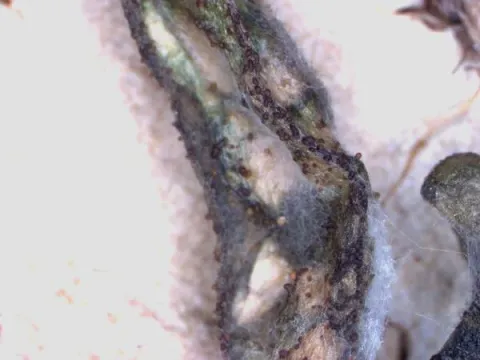
The fungus develops perithecia, which are fruiting bodies aggregated into clusters called stromata. These stromata rupture the host plant's epidermis to release spores.
The fungus spreads via ascospores, which are dispersed primarily by wind and splashing rainwater. Upon landing on suitable hosts, the spores germinate and penetrate the bark.
The mycelium grows within the cortical tissues, eventually disrupting the plant's vascular system, which is responsible for nutrient and water transport.
These pathogens are often opportunistic, meaning they easily infect trees that have been weakened by environmental stressors or pre-existing injuries.
The most visible symptom is the appearance of small, black, cluster-like fruiting bodies on the bark surface. Their shape is often compared to a small pumpkin, which is a characteristic feature of this family.
Infected areas of the bark become necrotic, cracked, and may flake off. Over time, these areas can develop into sunken lesions or small cankers on twigs and branches.
Leaves on infected branches may yellow, wilt, and drop prematurely because the fungal mycelium blocks the flow of water and essential minerals to the foliage.
Dieback is a common result of a severe infection, as the affected branches dry out and become brittle, eventually breaking under light wind or weight.
Laboratory diagnosis involves examining the perithecia under a microscope, where the characteristic structures of Cucurbitariaceae ascospores are clearly identifiable.
High humidity and cool to moderate temperatures provide the most favorable environment for the germination of fungal spores and their subsequent colonization of plant tissues.
Mechanical damage, sunscald, or frost cracks on the trunk serve as entry points, significantly increasing the likelihood of successful fungal establishment.
Dense canopies and poor air circulation in an orchard or forest plantation create a humid microclimate that fosters the rapid development of the pathogen.
Plants struggling with nutrient deficiencies or poor soil conditions have lower natural resilience, making them more susceptible to these fungal opportunistic attacks.
Wet springs, characterized by frequent rainfall, facilitate the movement of spores across the tree canopy, leading to rapid outbreaks in susceptible orchards.
The primary economic impact is the reduction of fruit yield and the loss of branches in ornamental trees, which ruins the aesthetic value of the planting.
Untreated infections can lead to the total decline and death of the plant, especially in high-value fruit cultivars that are sensitive to wood diseases.
The disease acts as a precursor for other secondary pathogens, as the necrotic bark and open wounds provide entry for more aggressive wood-decay fungi.
Maintaining orchards with high levels of this disease requires intensive pruning and specialized care, which increases the operational costs for farmers.
In forest management, Cucurbitariaceae can weaken saplings and young trees, leading to poor growth and increasing the probability of overall forest stand decline.
Sanitation is the most critical control measure; all dead or visibly infected branches should be pruned back to healthy wood and removed from the site.
Disinfecting pruning tools with a bleach solution or high-percentage alcohol between every cut is essential to prevent the mechanical transmission of the pathogen.
Applying copper-based fungicides during the dormant season acts as a protective barrier, reducing the number of viable spores that can infect fresh growth.
Proper wound management is necessary; any large cuts or bark injuries should be sealed with a suitable horticultural wound dressing to prevent fungal invasion.
Improving tree vigor through balanced fertilization and adequate irrigation helps the plant develop a stronger defense against environmental stress and infection.